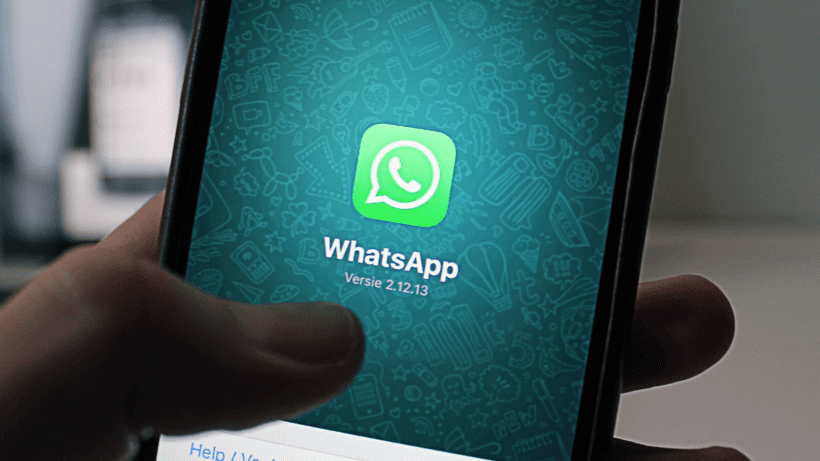

With over 2 billion active users worldwide, WhatsApp is no longer just a messaging app — it is one of the most powerful direct marketing channels available to businesses today. Unlike email, which averages open rates around 20%, WhatsApp messages see open rates as high as 98%. If you are a business owner or entrepreneur who has not yet tapped into WhatsApp marketing, you are leaving direct access to your customers on the table. This step-by-step guide walks you through everything you need to launch a results-driven WhatsApp marketing strategy from scratch.
Why WhatsApp Marketing Matters
Traditional marketing channels are getting noisier and more expensive. Social media algorithms limit your organic reach, email inboxes are cluttered, and paid advertising costs continue to climb. WhatsApp cuts through all of that by putting your message directly into the most personal device your customer owns — their phone. In markets across Latin America, India, Europe, and Africa, WhatsApp is the default communication channel, making it indispensable for businesses operating in or targeting those regions.
Beyond reach, WhatsApp enables a conversational relationship with customers that no other channel quite replicates. When a customer reaches out via WhatsApp, they expect a direct, human response. That expectation creates an opportunity to build trust rapidly, resolve concerns in real time, and turn one-time buyers into loyal brand advocates.
Step-by-Step: WhatsApp Marketing
Step 1: Understand Your Audience
The first step in any marketing strategy is to understand your target audience. WhatsApp users are primarily mobile users who value quick, efficient communication. They prioritize simplicity, privacy, and convenience — your strategy must reflect these values, or you risk coming across as intrusive and losing subscribers fast.
- Research your customer demographics: Use existing customer data, surveys, or Meta Audience Insights to identify age ranges, locations, and communication preferences before crafting your first message.
- Identify the right use case: WhatsApp works best for customer support, flash sales, appointment reminders, and community building — not mass promotional blasts with no targeting logic.
Step 2: Create a WhatsApp Business Account
Before you start marketing on WhatsApp, you need to create a business account. WhatsApp Business is a free app that allows you to create a professional profile, set automated responses, and interact with customers at scale. Download it from the Google Play Store or App Store, then complete your profile with your business name, description, hours, website, and contact information.
- Set up Quick Replies: Save responses to your most frequently asked questions using the Quick Replies feature, cutting your average response time dramatically and ensuring no inquiry goes unanswered.
- Enable automated greetings: Configure a greeting message that fires when a new customer contacts you for the first time, so no lead goes unacknowledged even outside business hours.
Step 3: Build Your Contact List
The quality and size of your contact list determines the ceiling of your WhatsApp marketing results. Unlike email lists, WhatsApp contacts must opt in willingly — you cannot import a bulk list without risking account bans and permanently damaging customer trust.
- Add a WhatsApp click-to-chat button to your website, landing pages, and social media profiles
- Promote your WhatsApp number in your email signature, business cards, and packaging materials
- Offer an exclusive incentive — a discount, early access, or free resource — for customers who opt into your WhatsApp list
- Run short-term campaigns asking existing customers to join your WhatsApp community for VIP updates and insider offers
Step 4: Create Compelling Content
Content on WhatsApp should feel personal, not broadcast. Long-form marketing copy belongs on your blog — WhatsApp messages should be concise, visual, and immediately actionable. Think of every message as a text from a trusted friend who happens to run the business you love.
- Product updates and new arrival announcements with a photo and one-line description
- Time-sensitive promotions with a clear expiry (e.g., “24-hour sale — use code FLASH20”)
- Customer testimonials and success stories sent as short videos or screenshots
- How-to guides or tutorials in 3-5 bullet points with a link to the full resource on your site
Step 5: Engage With Your Customers
WhatsApp is a two-way communication channel. If you treat it as a one-way broadcast tool, your opt-out rate will spike. Genuine engagement — responding to replies, asking follow-up questions, acknowledging feedback — is what converts WhatsApp contacts into loyal, long-term customers.
- Respond to messages within 2-4 hours during business hours; use automated replies outside of those windows
- Personalize messages with the customer’s first name using WhatsApp Business message templates
- Use voice notes occasionally for a more personal touch on complex support questions or relationship-building
- Ask customers directly for feedback — “Did this solve your problem?” creates dialogue and signals that you care
Step 6: Use WhatsApp Groups Strategically
WhatsApp Groups let you build a community around your brand and create peer-to-peer engagement that no other marketing tool replicates. The key is keeping groups focused and well-moderated — a group that becomes a spam feed will lose members quickly and damage your reputation.
- Create groups segmented by interest, product line, or customer tier (e.g., VIP clients, beta testers)
- Host exclusive AMAs or product previews for group members to reward their participation
- Encourage members to share their own experiences, feedback, and ideas — peer social proof at scale
Step 7: Leverage WhatsApp Broadcasts
WhatsApp Broadcasts let you send a single message to up to 256 contacts simultaneously, and each recipient receives it as a private message — not in a group thread. This combines the scale of email with the intimacy of a direct message. The catch: recipients must have your number saved in their contacts for the broadcast to reach them.
- Personalize broadcast messages with the recipient’s name to increase response rates significantly
- Limit broadcasts to 2-4 times per month to avoid message fatigue and opt-outs
- Always include a single, clear call-to-action: “Reply YES to claim your offer” or “Click the link to book your spot”
Step 8: Measure Your Results
WhatsApp Business provides native analytics covering message delivery rates, open rates, and response rates. While these metrics are a starting point, you will need third-party tools like WATI, Respond.io, or Zoko to track deeper metrics such as click-through rates, conversation-to-conversion rates, and revenue attributed to WhatsApp interactions.
- Track message delivery rate — anything below 90% signals contact list quality issues that need addressing
- Monitor response rate — a healthy two-way conversation rate per broadcast is 15-30%
- Use UTM-tagged links in your messages to attribute website traffic and conversions in Google Analytics
Step 9: Continuously Improve Your Strategy
WhatsApp marketing is not a set-it-and-forget-it channel. Customer preferences shift, platform features evolve, and what worked six months ago may underperform today. Build a monthly review habit and test new approaches consistently to stay ahead of the curve.
- A/B test message formats — text vs. image, long vs. short, question-based vs. statement-based openings
- Experiment with send times — mornings (8-10am) and evenings (7-9pm) typically outperform midday sends
- Ask customers directly what they want to receive from you on WhatsApp — a single-question poll can reshape your entire approach
Common Mistakes to Avoid
- Broadcasting without consent: Sending messages to contacts who have not explicitly opted in violates WhatsApp’s Terms of Service and can get your business number permanently banned with no appeal.
- Sending too frequently: More than 4-5 messages per month without strong value behind each one will drive opt-outs faster than any other mistake you can make on this channel.
- Ignoring replies: If customers respond and hear nothing back, they will never engage with your WhatsApp channel again. Build a clear internal process for monitoring and responding promptly.
- Using WhatsApp as a pure sales channel: Customers who feel constantly sold to will leave. Aim for an 80/20 split — 80% value-driven content and 20% promotional messaging at most.
- Neglecting compliance: Depending on your region, WhatsApp marketing may be subject to GDPR, CASL, or local privacy laws. Always include an opt-out mechanism and honor removal requests immediately.
Conclusion
WhatsApp marketing offers a direct line to your customers that no algorithm can throttle. When done right — with a clear opt-in strategy, personalized content, and genuine two-way engagement — it delivers open rates and conversion numbers that most digital marketers can only dream of. The businesses that win on WhatsApp treat the channel as a relationship tool, not a megaphone.
Start small: build a contact list of 50-100 opted-in customers, run your first broadcast, and measure the results before scaling. WhatsApp marketing rewards consistency and authentic connection, and those are advantages any business — regardless of budget — can build and sustain.
Resources
- WhatsApp Business Official Site — download the app and explore the WhatsApp Business API for scaling your operation
- Sprout Social: How to Use WhatsApp for Business — platform features, content strategy, and engagement tactics
- HubSpot: WhatsApp Business Marketing Guide — CRM integration and marketing automation strategies
- Forbes: WhatsApp Marketing Guide for Businesses — strategic overview and best practices for growing brands


 Ross Stretch