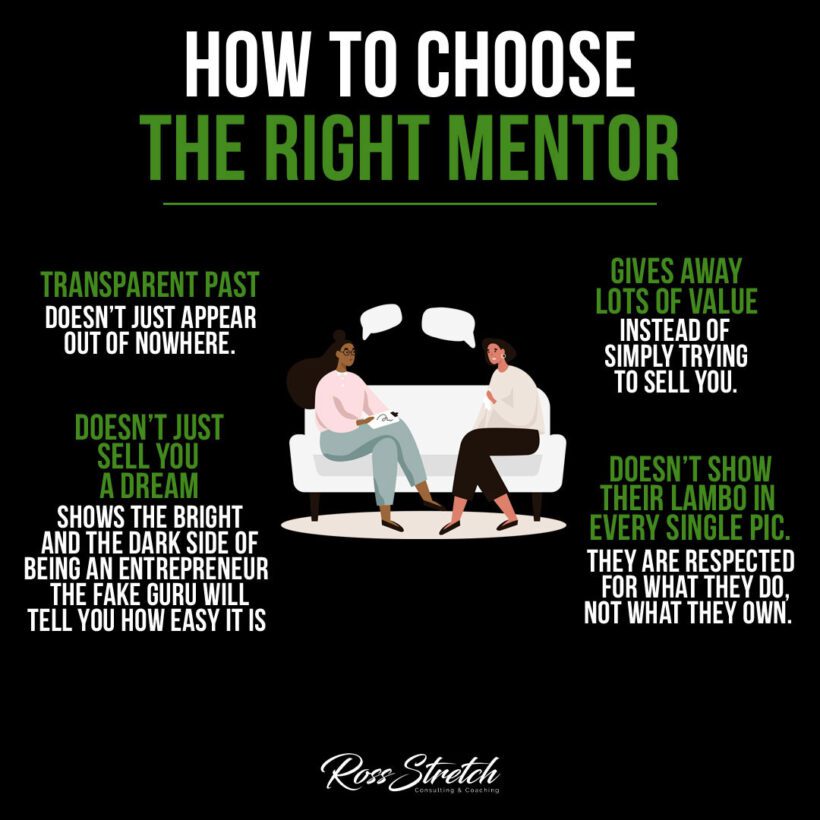

Finding the right mentor can compress decades of learning into years — or even months. A great mentor doesn’t just give you advice; they challenge your thinking, connect you with opportunities, and help you navigate pitfalls they’ve already survived. But choosing the wrong mentor wastes your time, muddies your thinking, and can send you in entirely the wrong direction.
1. Look for Proven Results in Your Specific Area
The most important criterion for any mentor is demonstrated success in the exact area where you want to grow. A business mentor who has never built a profitable company, or a fitness mentor who isn’t in great shape, cannot give you the guidance you actually need — regardless of how much they know in theory.
What to Look For:
Seek mentors with verifiable track records: businesses they’ve built, books they’ve published, athletes they’ve trained, or measurable outcomes they’ve produced.
Why It Matters:
Experience creates wisdom that theory cannot replicate. Real-world success means your mentor has navigated failure, uncertainty, and the gap between knowing and doing.
Pro Tip:
Research your potential mentor thoroughly before approaching them. Study their work, read their interviews, and understand their philosophy before asking for their time.
2. Prioritize Someone Who Challenges You
The most comfortable mentors are often the least useful. A mentor who only validates your ideas and tells you what you want to hear provides little actual value. What you need is someone who pushes back respectfully — who asks the hard questions and doesn’t let you settle for mediocrity.
What to Look For:
Seek mentors known for directness. During early conversations, notice whether they ask probing questions or simply agree with everything you say.
Why It Matters:
Growth lives outside your comfort zone. A challenging mentor accelerates development by exposing blind spots, testing assumptions, and raising your standards.
Pro Tip:
Ask potential mentors: ‘What’s the biggest mistake you see people in my position making?’ Their answer reveals both their directness and the depth of their experience.
3. Ensure Genuine Alignment in Values and Approach
Skills and experience matter, but if your mentor’s core values conflict with yours, the relationship will eventually become frustrating or misleading. A mentor who prizes aggressive risk-taking won’t serve someone who values steady, sustainable growth — no matter how successful they are.
What to Look For:
Have candid conversations about work ethic, ethics, relationships, and their philosophy on success. Look for alignment in how they define the outcome you’re pursuing.
Why It Matters:
A mentor shapes your thinking at a deep level. If their worldview is fundamentally at odds with yours, their advice will feel wrong — or worse, lead you somewhere you don’t actually want to go.
Pro Tip:
Don’t rush the vetting process. Observe how a potential mentor behaves with others, how they handle adversity, and whether their actions match their words.
4. Choose Accessibility and Genuine Investment
The world’s best mentor is useless if they’re never available. Accessibility doesn’t mean they need to be on-call — but it does mean they’re genuinely invested in your growth and willing to give you real time and attention.
What to Look For:
Prefer a moderately successful mentor who makes time for you over a famous one who gives you 15 minutes twice a year. Frequency and depth of interaction matter more than prestige.
Why It Matters:
Mentorship is a relationship, not a transaction. The most transformative mentors show up consistently — checking in, following up, and staying engaged in your progress.
Pro Tip:
Respect your mentor’s time always. Come prepared to every interaction with specific questions and clear updates on previous advice. Make it easy for them to invest in you.
The Right Mentor Changes Everything
The right mentor accelerates your path, compresses your learning curve, and helps you avoid the costly mistakes of trial and error. Take time to choose wisely. Evaluate candidates for results, directness, value alignment, and genuine availability. The relationship you build with the right mentor will be one of the most valuable investments of your life.

 Ross Stretch