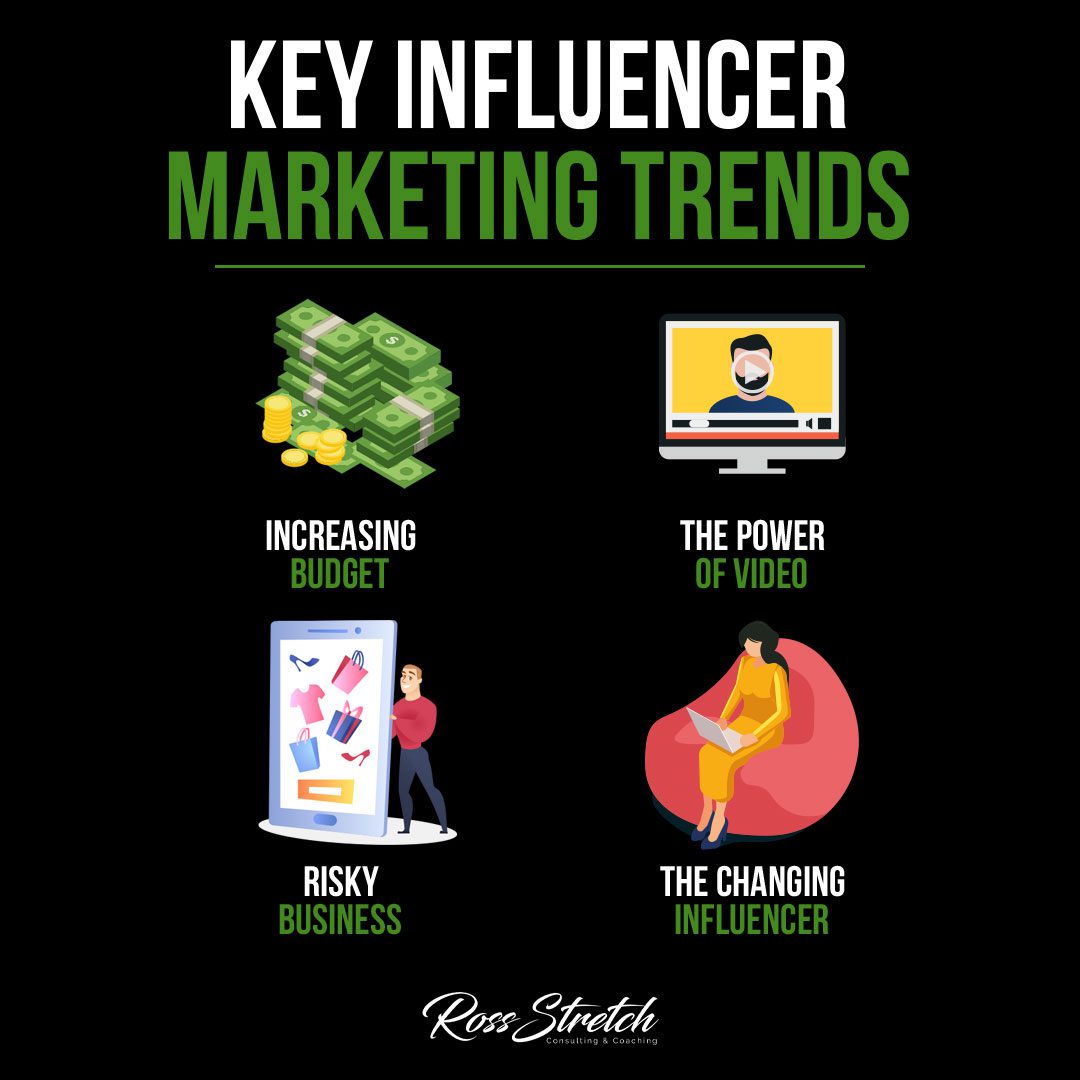
Influencer marketing has undergone a profound transformation, evolving from a novelty tactic tried by early digital adopters into a core channel for brands across every major industry. What began as gifting free products to bloggers with large followings has matured into a data-driven, budget-intensive discipline that rivals paid search advertising in scale and measurability. For entrepreneurs and marketers investing in digital growth, understanding the trends shaping influencer marketing today is essential — not just for keeping pace with competitors, but for identifying where the most authentic consumer attention lives. From rising investment budgets to the dominance of video content and the rise of micro-influencers, these shifts reveal where the discipline is heading and how to position any brand to benefit. The platforms, formats, and voices that move audiences are evolving, and the brands that adapt their influencer strategy accordingly hold a measurable advantage over those that do not.
1. The Surge of Increasing Budgets
Brands Are Committing Serious Money to Influencer Channels
The era of treating influencer marketing as an experimental budget line has ended. Major brands have shifted significant portions of their media spend toward influencer collaborations, driven by measurable returns that traditional advertising channels consistently fail to match. The global influencer marketing industry has grown from under two billion dollars a few years ago to a multi-billion dollar category — a trajectory driven by demonstrable results in brand awareness, purchase intent, and direct sales attribution. For small and mid-sized businesses, this creates both an opportunity and a challenge: the channels that once offered an affordable competitive edge are seeing more competition, requiring sharper strategy and more deliberate execution to produce results at a reasonable cost.
- Actionable Tip: Set aside a dedicated influencer marketing budget — even a modest one — and treat it as a separate line item rather than an afterthought pulled from other campaigns. Define clear performance metrics, including reach, engagement rate, link clicks, and conversions, before launching any partnership.
- Why It Works: Having a defined budget and clear metrics forces you to evaluate influencer partnerships with the same rigor as paid advertising, rather than treating them as unaccountable brand awareness plays. This discipline dramatically improves return on influencer spend over time.
Pro Tip: Test With Micro-Influencers Before Scaling
Before committing to expensive partnerships with large-audience influencers, test your product and messaging with three to five micro-influencers in your niche. Their audiences tend to be more engaged, their feedback is faster, and their cost per post is a fraction of established names. The data gathered from smaller campaigns — which messages resonate, which products generate questions, what objections appear in comments — will make your larger investments significantly more effective when you are ready to scale.
2. The Undeniable Power of Video
Short-Form and Live Content Are Reshaping Brand Communication
Video content has become the dominant format in influencer marketing, and the trend shows no signs of reversing. The immersive nature of video — its ability to demonstrate products in context, convey personality, and create parasocial connection — produces engagement rates that static images and text posts cannot match. Platforms built around short-form video have redefined how quickly a brand can reach a mass audience with the right creator partnership. Meanwhile, live streaming adds a layer of real-time authenticity that pre-produced content cannot replicate — live Q&As, product launches, and collaborative shopping events create genuine interaction that viewers reward with trust and measurable purchasing behavior.
- Actionable Tip: When briefing influencer partners, request video content as your primary deliverable rather than static posts. Even a simple 60-second product demonstration or honest review video consistently outperforms carousel posts for click-through and conversion rates across most consumer product categories.
- Why It Works: Video allows influencers to show, not just tell — demonstrating how a product fits into their real life is a form of social proof that a styled photograph cannot replicate. Viewers who watch a full video are far more purchase-ready than those who scroll past a post.
Pro Tip: Repurpose Influencer Video Across Your Own Channels
Negotiate content usage rights upfront in every influencer partnership agreement. High-performing influencer videos can be repurposed as paid social ads, embedded in email campaigns, and featured on product pages — significantly extending the return on your investment. User-generated video used in paid advertising often outperforms polished brand creative because it carries an inherent authenticity that produced ads cannot manufacture.
3. Risky Business: Navigating the Real Pitfalls
Authenticity, Compliance, and the Hidden Cost of the Wrong Partnership
The growth of influencer marketing has brought with it a set of genuine risks that brands underestimate at their own cost. Fake followers and inflated engagement metrics remain a persistent problem, with a significant portion of influencer audiences composed of bots or inactive accounts that will never become customers. Choosing the wrong influencer partner — one whose values conflict with your brand, whose past content creates reputational risk, or whose audience demographics do not match your customer profile — can be more damaging than running no influencer campaign at all. Regulatory compliance adds another layer: guidelines from the FTC and equivalent bodies internationally require clear disclosure of paid partnerships, and brands face the same liability as the influencer when disclosures are omitted or obscured.
- Actionable Tip: Before signing any influencer agreement, use a platform like HypeAuditor or Modash to audit their follower quality, engagement authenticity, and audience demographics. Look for an engagement rate appropriate to their follower count — large accounts with consistently low engagement relative to their size are a clear red flag.
- Why It Works: A smaller, genuinely engaged audience delivers far better results than a large inflated one. Audience quality analysis protects your budget and ensures you are reaching real people with genuine purchase intent rather than paying for reach that produces no meaningful result.
Pro Tip: Build Relationships With Influencers Before You Need Them
The best influencer partnerships often grow from genuine, pre-existing relationships rather than cold transactional outreach. Follow creators in your niche, engage authentically with their content, and reach out with a personalized message when you are ready to explore a partnership. Influencers who already have familiarity with your brand and trust in your product create far more convincing content than those producing sponsored posts purely for the fee.
4. The Evolving Persona: The Changing Face of Influence
From Celebrity Reach to Niche Authority
The definition of who qualifies as an influencer has expanded dramatically, and this evolution is one of the most commercially significant shifts in the channel’s history. Macro-influencers and celebrities still drive awareness at scale, but the measurable ROI growth has come from micro-influencers, nano-influencers, subject matter experts, and increasingly, AI-generated virtual personas. Micro-influencers — those with between 10,000 and 100,000 followers — consistently deliver higher engagement rates than their larger counterparts because their audiences have chosen to follow them based on a specific, genuine interest rather than general celebrity appeal. A skincare micro-influencer with 30,000 highly engaged followers in that niche will frequently outperform a celebrity with five million general followers for a skincare brand, at a fraction of the cost.
- Actionable Tip: Identify five to ten niche creators in your product category with between 15,000 and 75,000 engaged followers. These are your most accessible, most cost-effective, and often most impactful influencer partners — particularly if you are a smaller brand without the budget for major celebrity deals.
- Why It Works: Niche audiences trust niche creators at a level general audiences rarely extend to celebrities. A recommendation from someone your audience has followed specifically for their expertise in your product category carries significantly more conversion weight than a broad celebrity endorsement with less relevant context.
Pro Tip: Build Your Own Creator Ambassador Program
Rather than relying entirely on outbound influencer partnerships, consider developing a brand ambassador or affiliate creator program that turns your existing customers into ongoing content creators. Provide them with product access, exclusive discounts, and a commission on sales they generate. This approach builds a self-sustaining network of authentic brand advocates at a fraction of traditional influencer fees — and produces content that often resonates more deeply because it comes from real customers rather than paid partners.
Conclusion
Influencer marketing is no longer an emerging channel — it is a mature, competitive discipline that rewards strategic thinking over opportunistic spending. Brands that understand where budgets are moving, invest in video-first content strategies, vet partners with data rather than instinct, and prioritize niche authenticity over celebrity reach will consistently outperform those still treating influencer marketing as an afterthought. The fundamentals are clear; execution is where the advantage is won.
Resources


 Ross Stretch