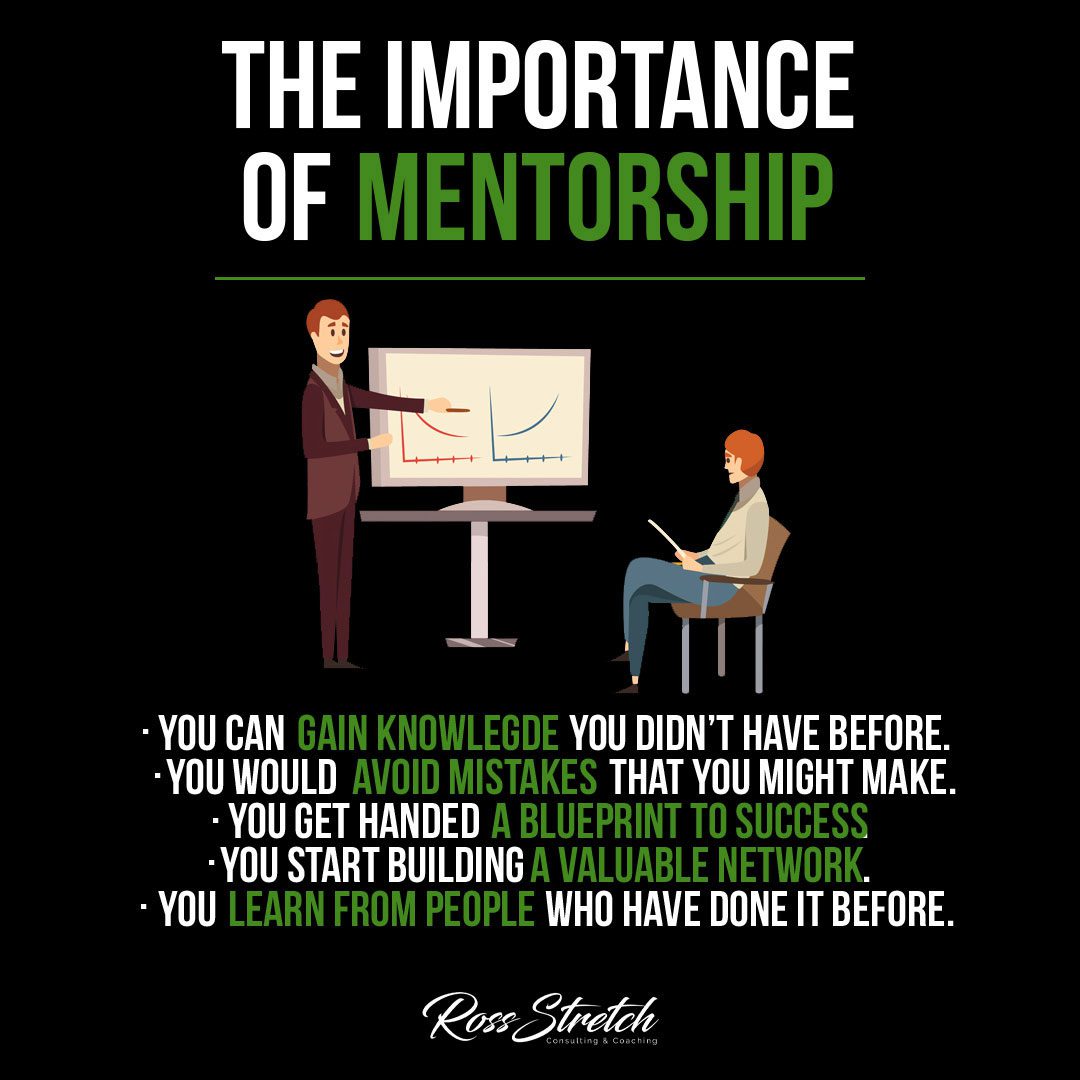
Mentorship has been one of the most consistent accelerators of success throughout history — from Aristotle mentoring Alexander the Great to Warren Buffett being shaped by Benjamin Graham. The research is unambiguous: professionals with mentors are promoted faster, earn more, and report higher career satisfaction than those without. Yet most ambitious professionals dramatically underinvest in finding and maintaining mentorship relationships. In this guide, we explore the five most powerful benefits of mentorship and how to actively cultivate them in your career and business life.
\n\n
\n\n
You Can Gain Knowledge You Didn’t Have Before
\n\n
One of the most significant advantages of mentorship is access to knowledge that would otherwise take years — or decades — to acquire on your own. Experienced mentors carry a deep reservoir of hard-won insights about their field: which strategies work, which approaches fail, and which subtleties never make it into textbooks or online courses. This kind of tacit knowledge — what researchers call “expert intuition” — is typically only transferable through direct, ongoing relationships.
\n\n
A mentor in your industry can share real-time perspective on emerging trends, competitive dynamics, and unwritten professional norms that no amount of reading can substitute for. They can help you calibrate your understanding of your own strengths and blind spots with a precision that peers and colleagues rarely provide. Over time, the knowledge transferred through a strong mentorship relationship represents years of compressed learning — education that would cost far more in time, money, and failed experiments to acquire independently.
\n\n
- \n
- Personalized guidance: Mentors tailor advice to your specific goals, strengths, and development gaps — not generic best practices that may not fit your situation.
- Industry insights: Access to real-world knowledge about trends, relationships, and the unwritten rules that shape advancement in your field.
- Expanded perspectives: Exposure to ways of thinking and problem-solving you’d be unlikely to develop working only within your own experience.
- Transfer of expertise: Practical skills, frameworks, and judgment honed over years of experience — compressed into your timeline.
\n
\n
\n
\n
\n\n
\n\n
You Would Avoid Mistakes That You Might Make
\n\n
Every professional makes mistakes — but mentorship is one of the few tools that lets you learn from someone else’s mistakes instead of your own. This is one of the most underappreciated returns on a mentoring relationship. Your mentor has already navigated the terrain you’re entering. They’ve made the hiring errors, the strategic miscalculations, the partnership blunders, and the negotiation missteps — and they carry the hard-won wisdom of having recovered from them.
\n\n
The financial and opportunity cost of avoidable mistakes is enormous. A bad hire, a poor funding decision, or a mismanaged client relationship can set a business back by months or years. A mentor who has faced equivalent decisions can help you see the warning signs before they become crises. This error-prevention function alone often more than justifies the time investment of maintaining a mentorship relationship, particularly during high-stakes career transitions or the early stages of a venture.
\n\n
- \n
- Guidance through challenges: Real-time perspective on difficult decisions from someone who has faced similar crossroads before.
- Wisdom from experience: Direct access to lessons learned from your mentor’s own failures — without having to pay the tuition yourself.
- Risk assessment: Mentor-guided evaluation of key decisions, with insights into pitfalls that aren’t visible from inside the situation.
- Accountability and course correction: Regular check-ins that catch small mistakes before they compound into large ones.
\n
\n
\n
\n
\n\n
\n\n
You Get Handed a Blueprint for Success
\n\n
Perhaps the most tangible benefit of mentorship is access to a proven roadmap. When you align with a mentor who has achieved what you’re pursuing, you’re not starting from a blank page — you’re working from a tested blueprint. This doesn’t mean you’ll replicate their journey exactly; context always differs. But the principles, milestones, habits, and decision frameworks that carried them to success are directly transferable and dramatically compress the time it takes you to find your own footing.
\n\n
A good mentor will help you set meaningful goals, build action plans grounded in reality, and identify the competencies you need to develop on a prioritized timeline. Rather than learning through trial and error what it takes to advance in your field, you have a guide who can point to the next stepping stone and explain exactly what it takes to reach it. This structured guidance is especially valuable during career transitions, business launches, or pivots into unfamiliar territory.
\n\n
- \n
- Goal setting and action planning: Mentors help you define ambitious but realistic targets and build the concrete plans to achieve them.
- Roadmap guidance: Clear milestones, resources, and benchmarks drawn from real experience rather than theoretical frameworks.
- Skills development: Focused attention on the specific competencies that actually drive advancement in your field.
- Continuous learning: Mentors model and encourage lifelong learning, helping you build habits that sustain growth long after the formal relationship ends.
\n
\n
\n
\n
\n\n
\n\n
You Start Building a Valuable Network
\n\n
Mentorship doesn’t just give you access to one person’s wisdom — it gives you access to their network. A well-connected mentor can make introductions that would otherwise take years to cultivate organically. In many industries, the most important opportunities — partnerships, clients, investors, job offers — are never publicly advertised. They circulate through trusted networks of people who know and vouch for each other. Being connected to a respected mentor immediately elevates your standing in those conversations.
\n\n
Beyond immediate introductions, mentorship shapes how you show up in professional environments. Mentors model the communication style, relationship-building habits, and strategic networking behaviors that make someone genuinely valuable to a professional community — not just a transactional name-collector. Over time, the network you build through and because of your mentorship relationships becomes one of your most durable and compounding career assets.
\n\n
- \n
- Access to opportunities: Direct introductions to key players, potential clients, partners, or investors in your industry.
- Expanded professional network: Entry into circles and communities that would otherwise remain inaccessible to you.
- Industry credibility: Association with respected mentors elevates your professional reputation by extension.
- Long-term relationships: Mentorship often produces lasting professional alliances that generate opportunities for years or decades after the formal mentoring relationship concludes.
\n
\n
\n
\n
\n\n
\n\n
You Learn from People Who Have Done It Before
\n\n
There is a profound difference between learning about something and learning from someone who has lived it. Books, courses, and podcasts deliver information — but a mentor delivers judgment. They can tell you not just what to do, but how it actually feels to do it, what to watch for when you’re in the middle of it, and how to think when things don’t go according to plan. This kind of experiential wisdom is simply not available through any other channel at any price.
\n\n
Beyond practical guidance, learning from accomplished individuals has a deep psychological effect: it expands your sense of what’s possible for you. When you spend time with someone who has built the business, achieved the career milestone, or navigated the challenge you’re facing, the pathway that once seemed abstract becomes concrete. Mentors don’t just teach you skills — they demonstrate that the destination is real, and that the journey is survivable.
\n\n
- \n
- Wisdom from lived experience: Guidance grounded in having actually done the work — not in theory or abstraction.
- Role models and expanded possibility: Direct evidence that what you’re pursuing is achievable, which powerfully shapes what you believe is available to you.
- Accelerated personal growth: Proximity to high-performers raises your own standards and habits through osmosis as much as explicit instruction.
- Emotional support: A mentor who has navigated uncertainty can provide genuine reassurance — not just encouragement — during the most difficult periods of your journey.
\n
\n
\n
\n
\n\n
\n\n
Conclusion
\n\n
Mentorship is one of the highest-return investments you can make in your professional development — and unlike most investments, it costs time rather than money. The knowledge it transfers, the mistakes it prevents, the blueprint it provides, the network it opens, and the possibility it expands are compounding advantages that follow you throughout your entire career.
\n\n
The most important step is to start. Identify one or two people whose trajectory you admire, reach out with genuine curiosity and specific questions, and commit to being the kind of mentee that makes the relationship worth the mentor’s time. Show up prepared, follow through on every commitment, and give back wherever you can. The most powerful mentorship relationships are built on mutual respect — and they can change the entire arc of your career.
\n\n
\n\n
Resources
\n\n
- \n
- Harvard Business Review: The Mentor You Need But Aren’t Looking For
- Forbes: Why Mentorship Matters for Career Growth
- MENTOR: The National Mentoring Partnership
- Psychology Today: The Science of Mentoring Relationships
\n
\n
\n
\n

 Ross Stretch