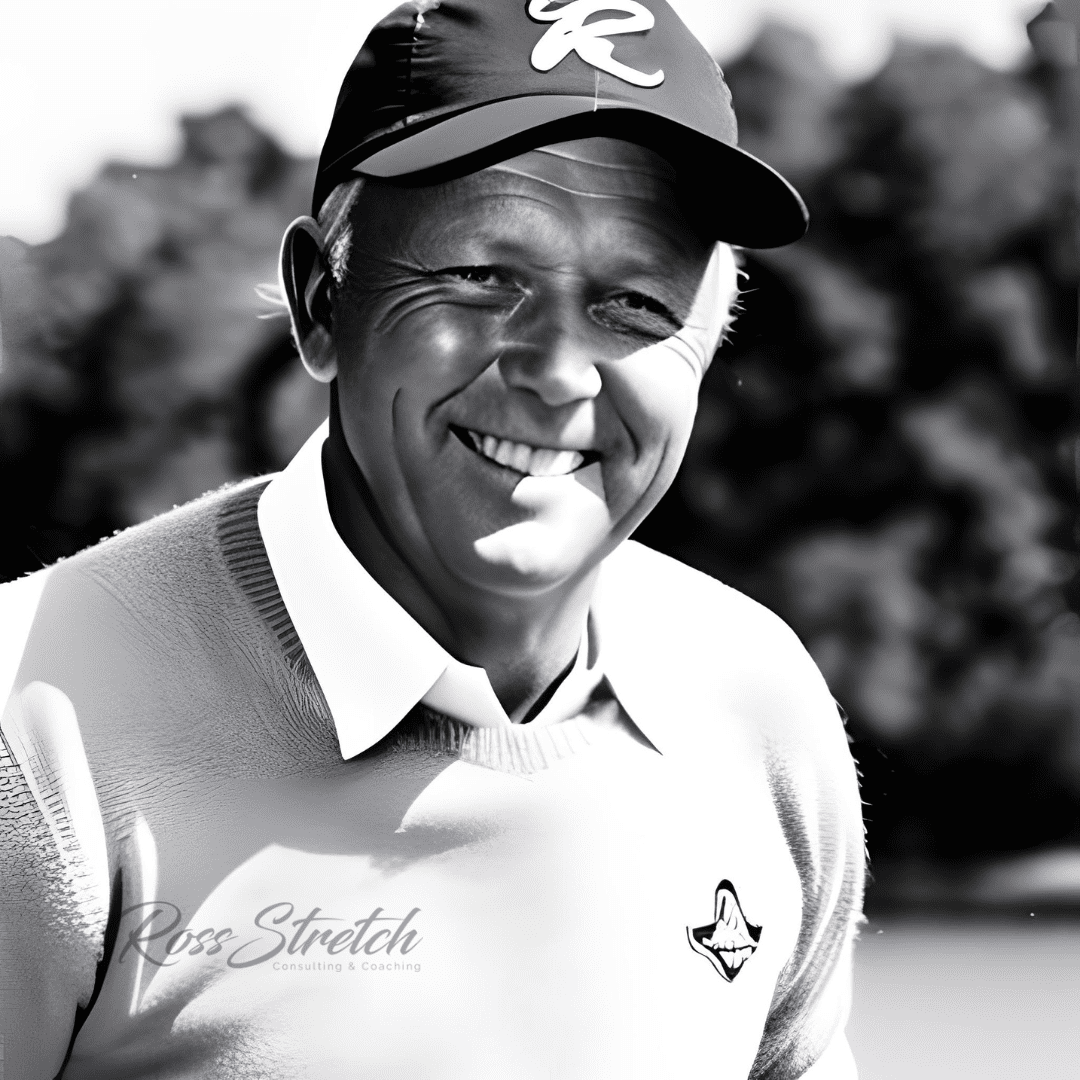
Arnold Palmer, affectionately known as “The King,” stands as one of the most iconic figures in the history of golf and American sports. With an estimated net worth of $700 million at the time of his passing in September 2016, Palmer’s wealth was the product of a rare combination: unmatched athletic talent, a charismatic personality that captivated television audiences during golf’s early broadcast era, and a business empire that extended far beyond the golf course. From the rolling hills of Latrobe, Pennsylvania, to the grandest stages in professional sport, Arnold Palmer’s story is one of passion, perseverance, and an extraordinary ability to turn sporting greatness into a lasting financial legacy.
Early Life & Background
Arnold Daniel Palmer was born on September 10, 1929, in Latrobe, Pennsylvania, a small steel town nestled in the Laurel Highlands. His father, Milfred “Deacon” Palmer, served as the head golf professional and superintendent at Latrobe Country Club, meaning Arnold spent his formative years on and around golf courses from the time he could walk. Deacon Palmer was his son’s first and most influential teacher, instilling in Arnold both a love for the game and a blue-collar work ethic that would define his character throughout his life. Palmer attended Wake Forest College — now Wake Forest University — on a golf scholarship, but left after the sudden death of his close friend Bud Worsham in 1950. He enlisted in the U.S. Coast Guard, served three years, and returned to competitive amateur golf in 1954, winning the U.S. Amateur Championship that same year and signaling his readiness for the professional ranks.
Career & Rise to Success
Palmer turned professional in 1954 and quickly became one of the most dominant and beloved players in the world. His aggressive, go-for-broke playing style — charging at pins and rarely laying up — made him enormously entertaining to watch precisely as golf was beginning to appear regularly on American television. He won his first Masters Tournament in 1958 and accumulated a string of major victories throughout the late 1950s and 1960s that cemented his status as the sport’s defining star. Palmer was among the first athletes to truly understand the power of television as a personal platform, working closely with agent Mark McCormack — founder of the International Management Group (IMG) — to build a personal brand that transcended sport itself. Together, they helped redefine sports marketing and athlete endorsements in ways that influenced every generation of sports stars that followed. Palmer accumulated 62 PGA Tour victories over his career and became so beloved by fans that the term “Arnie’s Army” was coined to describe the enormous, devoted crowds that followed him from hole to hole at every tournament.
Major Achievements
Arnold Palmer’s list of achievements on the golf course is nothing short of remarkable. He won seven major championships in total: four Masters Tournament titles (1958, 1960, 1962, 1964), two Open Championships (1961, 1962), and one U.S. Open (1960). His legendary charge at the 1960 U.S. Open at Cherry Hills — where he birdied six of the first seven holes in the final round — remains one of the most celebrated performances in golf history. He also famously squandered a seven-stroke lead to Billy Casper at the 1966 U.S. Open, making both his triumphs and his heartbreaks captivating national television events. Off the course, Palmer received the Bob Jones Award from the United States Golf Association in 1971, the PGA Tour Lifetime Achievement Award in 1998, and the Presidential Medal of Freedom in 2004 — the nation’s highest civilian honor. In 2012 he received the Congressional Gold Medal, one of only a handful of athletes ever so recognized. He was inducted into the World Golf Hall of Fame in 1974.
Income Sources & Business Ventures
While Palmer earned approximately $1.8 million in prize money during his playing career — a meaningful sum for the era — the true source of his $700 million fortune was the business empire he built alongside Mark McCormack. Palmer was among the very first professional athletes to actively pursue corporate sponsorships and endorsement deals at scale, partnering with companies including Pennzoil, Callaway Golf, Rolex, Sears, and Hertz car rentals over the course of his career. His most enduring commercial legacy is the iconic “Arnold Palmer” beverage — a mix of iced tea and lemonade — which was officially licensed and mass-produced by AriZona Beverages, generating tens of millions in royalty income over the years and ensuring his name would appear in convenience stores and restaurants around the world for decades. Beyond endorsements, Palmer built the Arnold Palmer Design Company, which designed and renovated more than 300 golf courses worldwide. He also owned and operated Bay Hill Club & Lodge in Orlando, Florida — home of the Arnold Palmer Invitational, a PGA Tour event — and held interests in several other premier golf properties.
Assets & Lifestyle
Arnold Palmer’s most prized real estate holding was Bay Hill Club & Lodge in Orlando, Florida, which he purchased in 1974 and transformed into one of the premier golf destinations in the United States. He also maintained his beloved Latrobe Country Club in Pennsylvania — the course where he had learned the game as a child, which he eventually purchased outright. Palmer was a passionate aviator who obtained his pilot’s license in 1956 and logged thousands of hours in the cockpit; he owned multiple private aircraft over the decades and described flying as one of his deepest joys outside of golf. Despite his immense wealth, Palmer was universally known for his warmth and accessibility — he stopped to sign autographs, remembered fans by name, and refused to put distance between himself and the people who had supported his career. He and his first wife, Winnie Walzer, whom he married in 1954, built a life of quiet elegance in Pennsylvania and Florida, raising two daughters, Peggy and Amy.
Philanthropy & Giving Back
Arnold Palmer’s philanthropic legacy is as enduring as his sporting one. He was a founding benefactor of the Arnold Palmer Hospital for Children in Orlando, Florida, which opened in 1989 and has since provided care for millions of young patients. Adjacent to it stands the Winnie Palmer Hospital for Women & Babies, named in honor of his late first wife. The Arnold Palmer Medical Center Foundation has raised hundreds of millions of dollars for pediatric healthcare and women’s health services. Palmer also supported youth golf development through the charitable arm of the Arnold Palmer Invitational and maintained deep ties to his hometown of Latrobe through scholarships and community investment throughout his life. His commitment to children’s healthcare was among his most personal convictions, and the hospitals that bear his name continue to serve as cornerstones of the Orlando medical community long after his passing.
Arnold Palmer’s Net Worth in 2025
Arnold Palmer passed away on September 25, 2016, at the age of 87 in Pittsburgh, Pennsylvania. At the time of his death, his estate was estimated at approximately $700 million, according to Celebrity Net Worth and several financial publications that covered his passing. The bulk of this fortune was derived from his decades-long roster of corporate partnerships, the Arnold Palmer Design Company’s global golf course portfolio, his real estate holdings including Bay Hill Club & Lodge, and the ongoing licensing of the Arnold Palmer beverage brand. His estate continues to generate income through those licensing agreements, the annual Arnold Palmer Invitational PGA Tour event, and the enduring commercial value of his name and likeness. In 2025, the Arnold Palmer brand remains one of the most commercially active legacies in professional sports history, a testament to the lasting power of his personality, his business vision, and the genuine affection millions still hold for “The King.”
Conclusion
Arnold Palmer’s wealth story is ultimately about far more than money. It is about what becomes possible when genuine talent is paired with an authentic personality, a forward-thinking approach to business, and an unwavering commitment to community. Palmer didn’t simply accumulate wealth — he built infrastructure for giving that continues to sustain children’s hospitals, junior golf programs, and charitable foundations. For aspiring athletes and entrepreneurs alike, his journey offers a masterclass in building a legacy that outlasts even the longest and most storied of careers. The King may have played his final round, but his footprint on golf, on the business of sports, and on the lives he touched through philanthropy will endure for generations to come.
References


 Ross Stretch