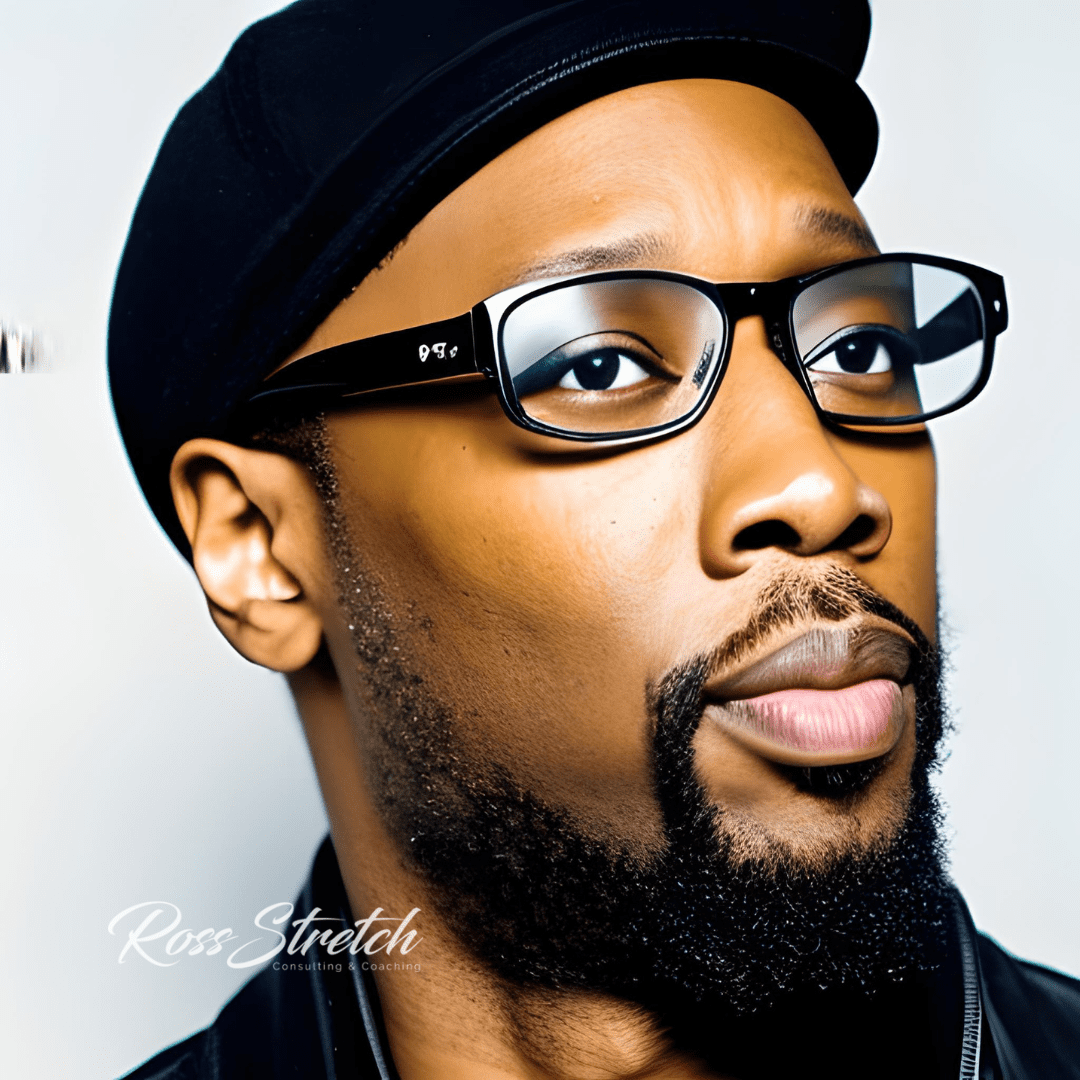
RZA, born Robert Fitzgerald Diggs, is one of the most multi-dimensional figures in hip-hop history — a visionary producer, rapper, actor, director, and philosopher who co-founded Wu-Tang Clan and reshaped the sound of East Coast rap in the 1990s. As the creative architect and de facto leader of one of the most influential groups in music history, RZA has built a career spanning three decades across music, film, literature, and philosophy. His estimated net worth as of 2025 is approximately $18 million, accumulated through groundbreaking music production, film and television work, publishing rights, and a range of entrepreneurial endeavors that prove his ambitions have always extended far beyond the recording studio.
Early Life & Background
Robert Fitzgerald Diggs was born on July 5, 1969, in Brownsville, Brooklyn, New York — one of the city’s most economically challenged neighborhoods. Growing up amid poverty, RZA moved frequently between Brooklyn and Staten Island throughout his childhood, absorbing the raw realities of street life that would profoundly shape his worldview and artistic voice. Despite limited resources, he found escape in the emerging hip-hop culture of New York City during the early 1980s, immersing himself in music and developing a self-taught ear for sampling. Drawing on soul records, kung fu film soundtracks, and jazz compositions, he began building the signature sonic palette that would eventually define an era. By his late teens, RZA had already begun rapping and producing beats under the name Prince Rakeem, laying the groundwork for what would become one of the most ambitious collective projects in hip-hop history.
Career & Rise to Success
RZA co-founded Wu-Tang Clan in 1992 alongside cousins GZA and Ol’ Dirty Bastard and several other MCs from Staten Island and Brooklyn. Negotiating a pioneering deal with Loud Records that allowed group members to pursue individual solo contracts simultaneously, RZA structured Wu-Tang as a collective empire rather than a conventional band. The group’s debut album, Enter the Wu-Tang (36 Chambers), released in 1993, became an instant classic and fundamentally altered the direction of hip-hop — and RZA produced every track. The grimy, cinematic sound he crafted, built on dusty samples and martial arts philosophy, became a blueprint for an entire school of East Coast rap. Wu-Tang Forever (1997) debuted at number one and sold over four million copies. RZA also pursued a solo career as Bobby Digital, releasing Bobby Digital in Stereo (1998) and Birth of a Prince (2003). His transition into film was equally assured: he appeared in Jim Jarmusch’s Ghost Dog: The Way of the Samurai (1999) and Ridley Scott’s American Gangster (2007), then wrote, directed, and starred in The Man with the Iron Fists (2012). He also served as executive producer and creative consultant on the acclaimed Hulu series Wu-Tang: An American Saga.
Major Achievements
RZA’s achievements span multiple creative disciplines and have left a lasting imprint on popular culture. Enter the Wu-Tang (36 Chambers) consistently appears on Rolling Stone’s 500 Greatest Albums list and is widely considered one of the defining works of hip-hop’s golden era. His production style influenced virtually every major hip-hop producer of the subsequent generation, from Kanye West to Kendrick Lamar. As a filmmaker, RZA earned a Black Reel Award for Best Original Score. His book The Tao of Wu (2009), blending memoir with Eastern philosophy and martial arts wisdom, demonstrated an intellectual range that expanded his audience well beyond music fans. In 2021, Wu-Tang Clan’s singular album Once Upon a Time in Shaolin — originally sold in 2015 as a single physical copy to pharmaceutical executive Martin Shkreli for $2 million — was seized by the U.S. government and subsequently purchased by an NFT collective, underscoring the group’s enduring cultural relevance and RZA’s unmatched ability to challenge conventional notions of art and ownership.
Income Sources & Business Ventures
RZA’s income streams reflect both his creative output and his business acumen across multiple fields. Primary revenue sources include music production royalties from an enormous catalog covering Wu-Tang Clan albums, solo projects, and beats produced for other artists over three decades. His film and television work — as actor, director, film scorer, and executive producer — has contributed meaningfully to his earnings. He scored the film Blade: Trinity (2004) and composed music for the television series Californication, among other projects. Publishing rights tied to his songwriting credits across dozens of Wu-Tang-related tracks generate consistent long-term income. Digital streaming royalties, literary royalties from published works including The Wu-Tang Manual and The Tao of Wu, and licensing deals involving the group’s extensive catalog all add to his revenue portfolio. His involvement as executive producer of Wu-Tang: An American Saga added producing fees and creative ownership to his financial picture.
Assets & Lifestyle
RZA maintains a relatively private lifestyle compared to many hip-hop artists of his stature. He has owned real estate in both New York and California over the years. A devoted practitioner of Tai Chi, Wing Chun, and other martial arts disciplines, his day-to-day life reflects the philosophical values he articulates in his music and writings. He adopted a plant-based diet and has spoken extensively about health, wellness, and mindfulness as central pillars of his worldview. While not known for conspicuous displays of luxury, RZA has a deep appreciation for rare films, art, and vintage recordings. His Staten Island and Brooklyn roots remain central to his public identity, and he has consistently channeled his experiences growing up in those communities into his creative work.
Philanthropy & Giving Back
RZA has supported numerous charitable efforts over the years, with a particular focus on education and youth development in underserved urban communities. He has spoken publicly about criminal justice reform and lent his voice to campaigns promoting social equity and racial justice. His advocacy for veganism extends to animal rights causes, and he has participated in fundraising events for humanitarian organizations. Through his music, published writing, and public platform, RZA consistently promotes philosophical inquiry, self-development, and social awareness — values rooted in his personal journey from poverty to global recognition as one of hip-hop’s most important creative minds.
RZA’s Net Worth in 2025
As of 2025, RZA’s net worth is estimated at approximately $18 million, according to Celebrity Net Worth and multiple entertainment finance publications. This figure reflects decades of earnings from music production, solo and group record deals, film directing and acting fees, publishing royalties, and executive producing income. While Wu-Tang Clan’s early contracts were structured differently from those of major mainstream commercial acts, RZA’s long-term ownership of publishing rights and the ongoing streaming success of the group’s catalog have ensured a steady and growing financial position. His continued relevance as a cultural figure — across music, film, literature, and philosophy — positions him well for sustained future earnings.
Conclusion
RZA’s financial story is inseparable from his artistic and intellectual journey. Rising from one of Brooklyn’s toughest neighborhoods, he built an empire not through conventional means, but through visionary creativity, strategic thinking, and a relentless drive to push boundaries across music, film, literature, and philosophy. His wealth is a byproduct of an authentic and deeply committed artistic life — making him one of hip-hop’s most compelling and enduring figures, as much a thinker and philosopher as a musician and filmmaker. His story is a reminder that true creative vision, pursued with discipline, eventually commands its own reward.
References


 Ross Stretch