Cold calling has outlasted every prediction of its demise. In an era of email automation, social selling, and AI-generated outreach, the direct phone call remains one of the highest-converting lead generation tactics in sales. It is difficult, often uncomfortable, and governed by a set of principles that separate top performers from those who give up after a week. Master those principles, and you can build a consistent pipeline that most of your competitors have long since abandoned.
Speed to Lead — Why Immediacy Is Your Biggest Edge
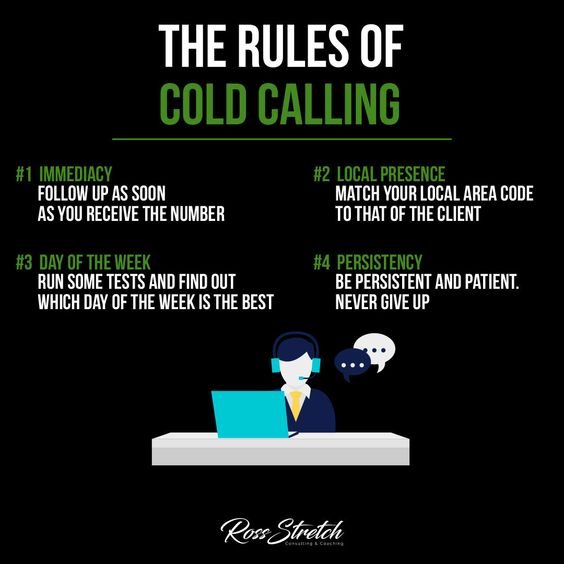
The single most important variable in cold calling is response time. Research from Velocify and other sales analytics firms consistently shows that contacting a lead within five minutes of their inquiry can increase conversion probability dramatically compared to waiting even thirty minutes. The underlying psychology is simple: a prospect who just submitted a form, clicked an ad, or expressed interest is in peak buying mode. Every hour you wait, that intent cools and competitors fill the gap.
This principle of immediacy requires both discipline and systems. Whether you are a solo entrepreneur or managing a sales team, the infrastructure needs to support rapid response. That means real-time lead alerts, defined workflows for immediate outreach, and a culture that treats speed to lead as a competitive advantage rather than a logistical challenge. The reps who call within minutes close at rates that outshine those who call the same leads the following morning.
Establishing Local Presence and Building Trust
Trust is the currency of cold calling. You are, by definition, calling someone who did not ask to hear from you. Anything that reduces friction and increases familiarity in those critical first seconds dramatically improves your answer rate and your odds of a real conversation.
One well-documented tactic is using a local area code when calling prospects. Prospects are significantly more likely to answer calls from numbers that match their own area code — the unconscious assumption being that the call originates from someone nearby rather than a distant call center. Tools like CallRail, Aircall, and Google Voice allow you to acquire local numbers in virtually any market, making this strategy accessible to individual salespeople and small teams alike.
Beyond the phone number itself, your tone and your opening line need to signal respect and relevance immediately. Skip the scripted corporate opener and lead with something specific and human. Prospects can detect a pitch within seconds, and the moment they sense one, their defenses go up. Approach the call with genuine curiosity about their situation and the defenses come down considerably.
Timing Your Calls Strategically
Not all calling hours are created equal. Data from Gong.io and HubSpot consistently points to specific windows when prospects are most likely to answer and engage meaningfully. Wednesdays and Thursdays tend to be the most productive days for cold calling, and the strongest time windows are generally between 8 and 10 a.m. and again between 4 and 6 p.m. in the prospect’s local time zone.
These windows catch people at the beginning and end of their workday — when they are more likely to be at their desks and less buried in back-to-back meetings. Midday calls, particularly between 11 a.m. and 2 p.m., tend to generate lower answer rates as prospects are often in meetings or at lunch. The specific patterns shift based on industry, geography, and buyer persona, so test these windows against your own call data and develop timing frameworks based on actual results rather than assumptions.
Crafting a Script That Sounds Like a Conversation
A strong cold calling script is not a rigid word-for-word recitation — it is a framework that ensures you hit the essential elements while leaving genuine room for real conversation. Those essential elements include your opening, your value hook, your qualifying questions, and your ask. Get those four things right and the exact wording matters far less than people think.
Your opening should be brief, permission-seeking, and immediately relevant. Something like: “Hi [Name], I know I’m calling out of the blue — I’ll keep it short. I work with [type of company] dealing with [specific problem]. Is that on your radar at all?” This respects the prospect’s time, demonstrates relevance, and invites a real response rather than triggering a defensive refusal. From there, the call becomes a conversation you guide with questions, not a presentation you deliver at them.
Practice your script until it no longer sounds scripted. Record yourself and listen back. The goal is a delivery so natural that the prospect never feels they are talking to someone reading from a page — because the best cold callers are not. They have internalized the framework well enough to be fully present in the conversation.
Active Listening, Objection Handling, and Persistence
Rejection is not failure in cold calling — it is data. The average sale requires between five and eight touchpoints, yet most salespeople give up after one or two attempts. Disciplined persistence, applied with respect and strategy, is what separates closers from those who fill their days with activity but never fill their pipelines.
When objections arise — “I’m not interested,” “We already have a vendor,” “Send me an email” — treat them as invitations to ask one more question rather than cues to apologize and hang up. “Totally fair. Can I ask — is it the timing, or is [specific problem] just not a priority right now?” That single follow-up question keeps the conversation alive and often surfaces the real objection beneath the surface deflection. Active listening is the skill that unlocks this. The more you hear, the better you can respond. The better you respond, the more deals you close.
The Role of Follow-Up in Closing Deals
A single call rarely results in a sale, and expecting it to sets you up for disappointment. Follow-up is where most deals are actually made, and the discipline to follow up consistently — with a clear reason to re-engage rather than just “checking in” — is what distinguishes high-performing salespeople from average ones.
After each call, enter your notes into a CRM immediately and schedule the next touchpoint before you hang up. Whether that is a follow-up call three days later, a personalized email referencing something from the conversation, or a LinkedIn connection with a short note, the goal is to stay on the prospect’s radar as a relevant resource rather than a persistent interruption. Each follow-up should add something — a relevant article, a case study, a question their last answer prompted. Give them a reason to respond, and they often will.
Conclusion
Cold calling remains a vital and underappreciated growth lever for businesses willing to put in the disciplined work. Speed, strategic timing, preparation, active listening, and persistent follow-up are not complicated concepts — but executing them consistently, in the face of daily rejection, is what separates the salespeople who build careers from those who cycle out. Master the rules, and the results will follow.
Resources

 Ross Stretch