Introduction to Content Marketing
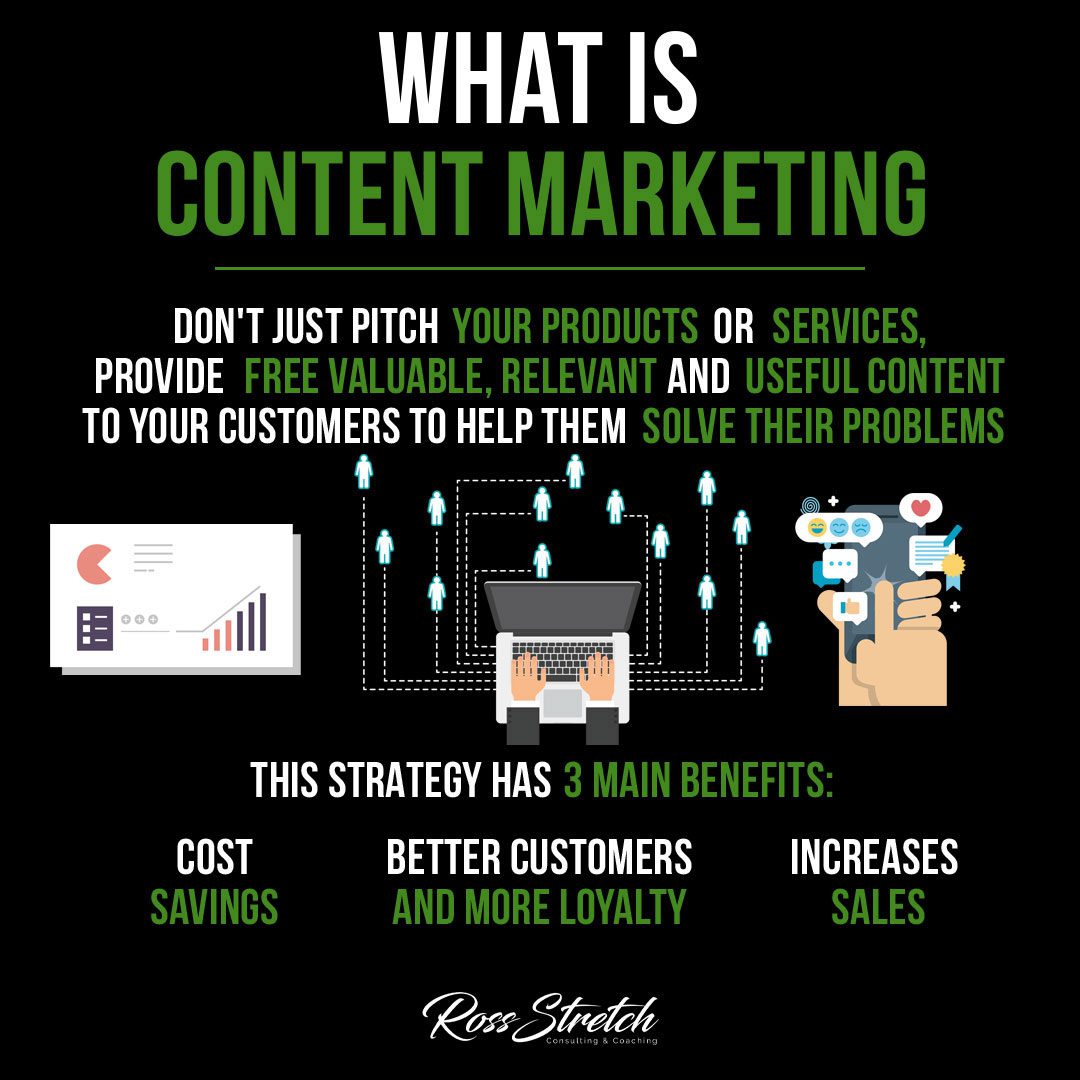
Content marketing is a strategic approach focused on creating and distributing valuable, relevant, and consistent content to attract and retain a clearly defined audience — and ultimately, to drive profitable customer action. It’s not about pitching your products or services; it’s about providing your audience with content that is genuinely useful to them, thereby establishing your brand as a thought leader in your space.
The Philosophy Behind Content Marketing
At its core, content marketing is about information sharing and education. It’s a strategy that recognizes the evolving nature of consumer behavior, where customers are more likely to engage with brands that offer more than just their products or services. This approach is rooted in the belief that if businesses deliver consistent, ongoing valuable information to buyers, they will ultimately reward them with their business and loyalty.
Main Benefits of Content Marketing
Cost Savings
Content marketing is cost-effective. Unlike traditional forms of advertising that require significant investment with uncertain returns, content marketing relies on the strategic use of content that can be created and distributed at a fraction of the cost. Over time, it can significantly reduce marketing spend while delivering better results.
Customer Loyalty
By providing free, valuable content, businesses can cultivate a sense of trust with their audience. This content helps solve problems or answer questions, which can establish a brand as a trusted advisor in the eyes of consumers. As a result, customers are more likely to return to a brand they trust, enhancing loyalty and reducing churn.
Increased Sales
Educational content can guide potential customers through the buying process, gently leading them from awareness to consideration, and finally, to the decision stage. By the time they’re ready to make a purchase, the trust and value you’ve provided through content can be decisive factors in their choice, thus increasing sales.
How to Implement an Effective Content Marketing Strategy
Understanding Your Audience
The first step in any content marketing strategy is to understand your audience deeply. What are their needs, challenges, and interests? By answering these questions, you can create content that is truly relevant and useful to them.
Content Creation
Once you understand your audience, you can start creating content. This includes articles, blog posts, infographics, videos, and more. The key is to ensure that the content is of high quality, informative, and engaging.
Content Distribution
Creating great content is only part of the equation. You also need to distribute it effectively. This means using the right channels, whether it’s social media, email marketing, or your company’s blog, to get your content in front of the right people.
Analyzing Results
Finally, it’s crucial to analyze the results of your content marketing efforts. Look at metrics like engagement, conversion rates, and return on investment to understand what’s working and what’s not. Use this data to refine your strategy over time.
Conclusion
Content marketing represents a shift from product-centric to customer-centric marketing. By focusing on the needs and interests of the consumer, businesses can create meaningful connections that go beyond the transactional. The end goal is to provide so much value through content that the decision to buy becomes a natural next step for the consumer. With its ability to save costs, build loyalty, and increase sales, content marketing is not just the future of marketing; it’s the here and now.


 Ross Stretch