Keyword research is the foundation of any effective SEO strategy. Choosing the right keywords determines whether your content reaches the people actively searching for it — or gets buried on page five where no one will ever find it. The good news is that there are powerful tools available at every price point, from completely free options to enterprise-grade platforms, each with distinct strengths depending on your goals and budget.
Free Tools to Start Your Keyword Research
If you’re just getting started or working with a tight budget, several free tools provide genuinely useful keyword data. These won’t replace a paid platform for depth of analysis, but they’re more than capable of helping you identify solid keyword opportunities and understand how your existing content is performing.
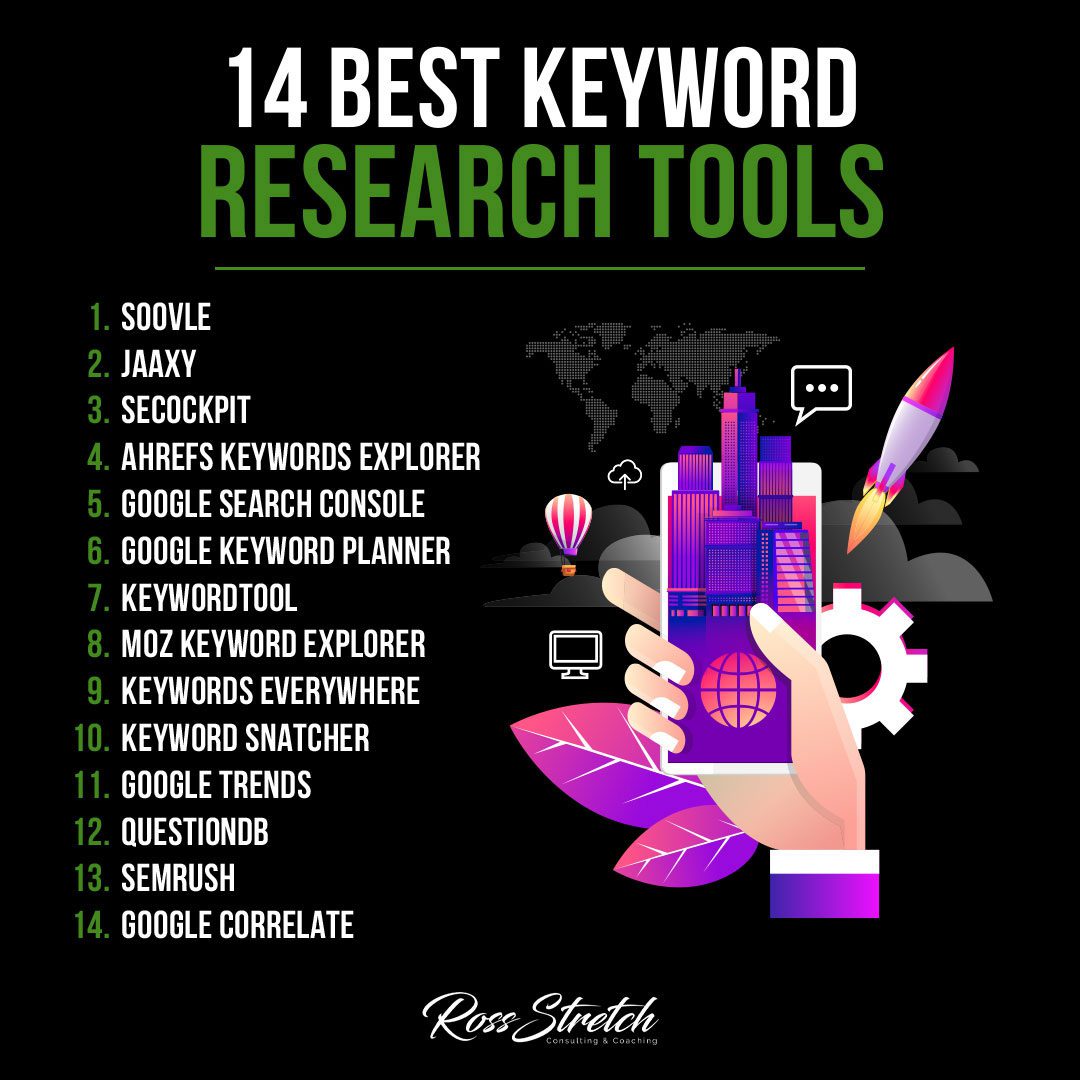
Google Search Console is the most underutilized free tool in SEO. It shows you exactly which queries are driving impressions and clicks to your site, what your average ranking position is for each keyword, and where you have opportunities to improve. If you’re not using it, start today — it’s directly from Google and costs nothing.
Google Keyword Planner was built for Google Ads, but it’s valuable for organic SEO too. It provides search volume ranges and competition levels for keywords you input, making it a solid starting point for building out your keyword list. Google Trends complements this by showing how interest in a keyword has changed over time — essential for spotting seasonality or emerging trends before competitors do. Soovle rounds out the free tier by pulling autocomplete suggestions from Google, Bing, YouTube, Amazon, and other platforms simultaneously, giving you a broad picture of how people search across different channels.
All-in-One Premium Platforms
For serious SEO work, the premium platforms offer a level of depth and accuracy that free tools can’t match. These are the tools used by professional SEO agencies and in-house marketing teams at established businesses.
Ahrefs Keywords Explorer is widely regarded as one of the most accurate keyword research tools available. It provides reliable search volume data, keyword difficulty scores, click-through rate estimates, and — critically — it shows how many clicks the top results actually receive, which is often more useful than raw search volume alone. The backlink data that comes with an Ahrefs subscription adds substantial value beyond keyword research.
SEMrush offers a similarly comprehensive platform with its Keyword Magic Tool, which generates thousands of keyword variations from a single seed term. SEMrush is particularly strong for competitive analysis — you can see which keywords your competitors rank for and identify gaps in your own content strategy. Moz Keyword Explorer takes a slightly different approach, with a Priority score that weighs search volume, difficulty, and organic click-through rate into a single actionable metric. SECockpit is a professional-grade option strong on competition analysis and particularly useful for those running PPC campaigns alongside organic SEO efforts.
Specialized and Niche Tools
Beyond the major platforms, a range of specialized tools serve specific research needs that the all-in-one suites don’t always handle well. These are particularly valuable for long-tail keyword discovery and question-based content planning.
Jaaxy is a versatile platform built for affiliate marketers and bloggers, providing data on keyword competition, search volume, and estimated traffic in a straightforward interface. It’s particularly useful for identifying low-competition niches. Keyword Tool leverages Google’s autocomplete data to generate hundreds of long-tail keyword suggestions from a single term — and it also pulls suggestions from YouTube, Amazon, and Instagram, making it useful beyond standard web search.
Keywords Everywhere is a browser extension that overlays keyword data — search volume, cost-per-click, and competition — directly on Google search results pages as you browse. It’s an efficient way to research keywords in context without switching between platforms. Keyword Snatcher specializes in generating large volumes of long-tail keyword variations that most other tools miss, making it excellent for finding low-competition opportunities in established niches.
Question and Intent-Based Research Tools
One of the most valuable shifts in modern SEO is the focus on search intent — understanding not just what people search for, but why. Tools designed around questions and user intent help you create content that directly answers what your audience is actually asking, which is exactly what search engines reward.
QuestionDB surfaces questions and queries that real people are asking around your target keywords, drawing from forum posts and community discussions. It’s an excellent resource for identifying content gaps and creating articles that address specific audience concerns. AnswerThePublic visualizes search questions in a wheel format, showing how people phrase queries across who, what, when, where, why, and how — extremely useful for structuring FAQ content and long-form articles. AlsoAsked maps out the “People Also Ask” questions that appear in Google search results, giving you insight into the related topics Google considers relevant to any given search.
How to Choose the Right Tool for Your Needs
The best keyword research tool is the one you’ll actually use consistently. If you’re a solo blogger or content creator, start with Google Search Console and Google Keyword Planner — both free and genuinely powerful. Add Keywords Everywhere as a browser extension for quick on-the-fly research. As your site grows and SEO becomes more central to your strategy, invest in Ahrefs or SEMrush for the depth of competitive intelligence they provide.
No tool gives you a complete picture on its own. The most effective approach combines a primary platform for volume and difficulty data with one or two specialized tools for long-tail discovery and intent research. Run your seed keywords through multiple tools, compare the results, and look for consensus — keywords that appear as opportunities across multiple platforms are generally your strongest bets.
- Beginners: Start with Google Search Console, Google Keyword Planner, and Google Trends — all free.
- Growing sites: Add Keywords Everywhere and Keyword Tool for low-cost expansion of your research.
- Established businesses: Invest in Ahrefs or SEMrush for full competitive intelligence.
- Content planners: Layer in QuestionDB or AnswerThePublic for intent-based topic ideation.
Conclusion
Keyword research isn’t a one-time task — it’s an ongoing process that evolves as your site grows and as search trends shift. The tools covered here span every budget and use case, from completely free options that can carry a new site a long way, to enterprise platforms that power some of the largest SEO operations in the world. Start with what’s accessible, build good research habits early, and upgrade your toolkit as your traffic and ambitions grow.
Resources


 Ross Stretch