Starting a business is one of the most demanding and rewarding decisions you can make. Most of what you read about entrepreneurship focuses on the exciting parts — the product launch, the growth trajectory, the funding announcement. Less discussed are the fundamentals that separate ventures that survive from those that don’t. These six principles aren’t glamorous, but understanding them before you start — rather than discovering them the hard way — can make the difference between building something durable and repeating expensive mistakes that derail thousands of first-time founders every year.
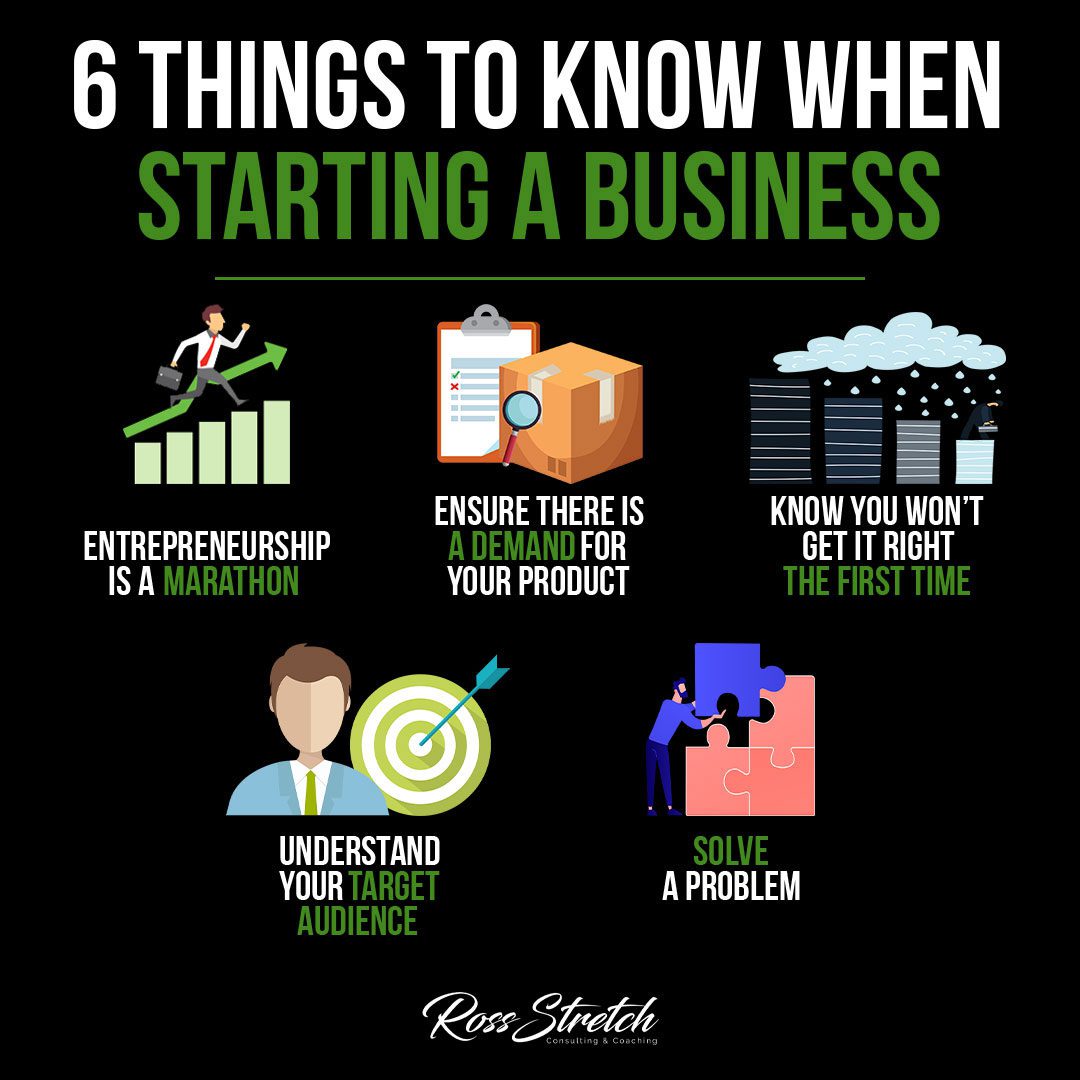
1. Entrepreneurship Is a Marathon
Pace Yourself for the Long Game
One of the most persistent myths in entrepreneurship is that successful businesses are built in bursts of intense effort — the overnight success, the viral launch, the sudden breakthrough. In reality, most businesses that last are built slowly, through years of consistent effort, iteration, and recovery from setbacks. The sprint mentality burns people out, impairs decision-making, and creates the false impression that if results aren’t coming quickly, something is fundamentally wrong. Understanding from day one that you’re in a long-duration effort changes how you allocate your energy, manage your expectations, and evaluate progress.
- Actionable Tip: Set quarterly milestones rather than weekly targets for your first year — measure momentum over time, not just immediate output
- Why It Works: Quarterly thinking creates enough runway to learn and adjust without the pressure that kills creativity and judgment in the short term
Pro Tip:
Build recovery into your schedule from the beginning. Weekly rest, quarterly breaks, and annual periods of lower intensity aren’t signs of lack of commitment — they’re how you stay sharp enough to make good decisions for years rather than months. Many failed businesses trace back to founder burnout, not bad ideas.
2. Validate Demand Before You Build
Know People Want What You’re Selling Before You Sell It
Spending months developing a product or service without confirming that real people will pay for it is one of the most common and expensive mistakes in entrepreneurship. Building in isolation — relying on conviction that your idea is obviously good — leads to launches that meet a market of zero. Demand validation doesn’t have to be complicated: talk to potential customers before you build, test your core assumption with a minimum viable version of your offer, and treat early customer conversations as data rather than validation-seeking exercises.
- Actionable Tip: Before investing significant time or money, have ten to fifteen genuine conversations with people in your target market — not to pitch, but to understand the problem you think you’re solving from their perspective
- Why It Works: Real customer language reveals whether your framing of the problem matches how people actually experience it — which determines whether your marketing, positioning, and product development are headed in the right direction
Pro Tip:
A simple presale or waitlist is one of the most powerful validation tools available. If people won’t give you their email address or a small deposit for a product that doesn’t exist yet, that’s the most honest market signal you can get. If they do, you have both validation and your first customer relationships before you’ve built anything.
3. Treat Failure as Information
Every Setback Teaches You Something a Win Can’t
Virtually every experienced entrepreneur has a story of a product that bombed, a partner relationship that failed, or a strategy that cost more than it returned. What distinguishes the ones who build lasting businesses isn’t that they avoided failure — it’s that they extracted the lesson quickly and applied it to the next iteration. Treating failure as final, or as evidence that you’re not cut out for this, leads to either giving up prematurely or overcorrecting in ways that create new problems. Failure is feedback. The question is whether you’re organized enough to hear it.
- Actionable Tip: After any significant failure, run a structured post-mortem within two weeks — what happened, what the root cause was, what you’d do differently, and what the next experiment looks like
- Why It Works: Structured reflection converts painful experiences into operational knowledge; without the structure, the emotional sting of failure tends to produce avoidance rather than learning
Pro Tip:
Keep a “lessons” document that you add to after every significant failure or near-miss, and review it quarterly. Patterns will emerge — types of decisions you consistently make poorly, blind spots in how you assess risk — that you simply cannot see from within any single failure. This document becomes one of your most valuable business assets over time.
4. Know Your Customer Deeply
Surface-Level Demographics Won’t Tell You How to Win
Many new businesses define their target customer in demographic terms — “women aged 25 to 45 interested in wellness” — without ever understanding the specific frustrations, language, aspirations, and decision-making patterns of the actual people they’re trying to serve. Demographics describe who your customer is on paper; psychographics and behavioral data tell you how to reach them, what to say, and how to design something they’ll actually pay for. The entrepreneurs who build loyal customer bases tend to be those who can describe their ideal customer’s inner experience more precisely than any competitor.
- Actionable Tip: Create a detailed customer profile that goes beyond age and income — include their most common frustrations with existing solutions, the language they use to describe those frustrations, and the outcome they actually want
- Why It Works: When your marketing language mirrors how customers describe their own problems, conversion rates increase dramatically — it signals to potential buyers that you genuinely understand their situation
Pro Tip:
Read reviews of competing products on Amazon, Reddit, and app store listings. People in reviews describe exactly what they love, hate, and wish were different — in their own words. Mining this language for your marketing copy and product development decisions is one of the highest-return research activities available to any founder.
5. Solve a Real Problem
The Best Businesses Are Painkiller Businesses
The ventures that gain traction fastest — and hold it longest — tend to be those solving a problem that people actively experience as painful, not one they’d be mildly interested in having resolved. The distinction matters enormously for both sales and retention. When you solve a genuine pain point, customers seek you out, tell others about you, and stick with you through product imperfections because the alternative is returning to the pain. When you’re solving something “nice to have,” you’re competing for budget and attention against every other optional purchase in someone’s life.
- Actionable Tip: Before naming your solution, write one specific, concrete sentence describing what your ideal customer can’t do, can’t stop, or can’t fix without your product or service
- Why It Works: Specificity in problem definition leads to specificity in solution design, which leads to marketing messages that resonate with the exact people who have the problem — the ones most likely to buy immediately
Pro Tip:
If you’re struggling to describe the problem your business solves in one clear sentence, that’s a signal worth taking seriously. It often means the problem isn’t sharp enough — that you’re solving a constellation of loosely related issues rather than one specific, urgent thing. Narrowing your focus initially, even if it feels limiting, almost always accelerates traction.
6. Read Widely and Apply What You Learn
The Fastest Path to Experience Is Other People’s Mistakes
Books, podcasts, and courses are the most cost-effective form of business education available. Reading what experienced entrepreneurs and business thinkers have documented — their frameworks, their failures, their hard-won insights — compresses decades of learning into hours. But consumption without application is just expensive entertainment. The entrepreneurs who extract the most from business books are those who read with a specific question in mind, identify one insight to implement within the week, and return to the material after implementation to assess what held and what didn’t.
- Actionable Tip: After finishing any business book, write down one specific change you’ll make to how you run your business in the next thirty days — then schedule a review to assess the result
- Why It Works: Commitment to a specific implementation makes knowledge actionable; without it, most reading generates good intentions that never change behavior in any measurable way
Pro Tip:
Three books that have stood the test of time for first-time founders: “The Lean Startup” by Eric Ries for understanding how to test ideas systematically, “The E-Myth Revisited” by Michael Gerber for building systems that don’t depend entirely on you, and “Zero to One” by Peter Thiel for thinking clearly about competitive differentiation. All three are available at any library and remain as relevant today as when they were written.
Conclusion
These six principles won’t guarantee success — nothing does — but they will protect you from the most common and avoidable reasons businesses fail. Entrepreneurship rewards people who can sustain effort over time, stay close to their customers, learn quickly from failure, and solve problems that genuinely matter. Master those fundamentals and the other variables become much more manageable.
Resources
- The Lean Startup by Eric Ries — the definitive guide to building and testing startups systematically
- Zero to One by Peter Thiel — on building breakthrough companies that create new value rather than copying existing ones
- The E-Myth Revisited by Michael E. Gerber — on building systems-driven businesses that can scale beyond the founder
- 10 Steps to Start Your Business — U.S. Small Business Administration


 Ross Stretch