In the crowded world of online retail, ecommerce branding is not just a logo or a color palette — it is the total experience customers have with your business from the first click to the final delivery. Every touchpoint shapes how people perceive, remember, and recommend your store. Building a powerful and memorable online presence requires intention, consistency, and a clear understanding of your target audience. Without a deliberate brand identity, even excellent products will struggle to stand out in a marketplace saturated with options.
Start with a Brand Name That Sticks
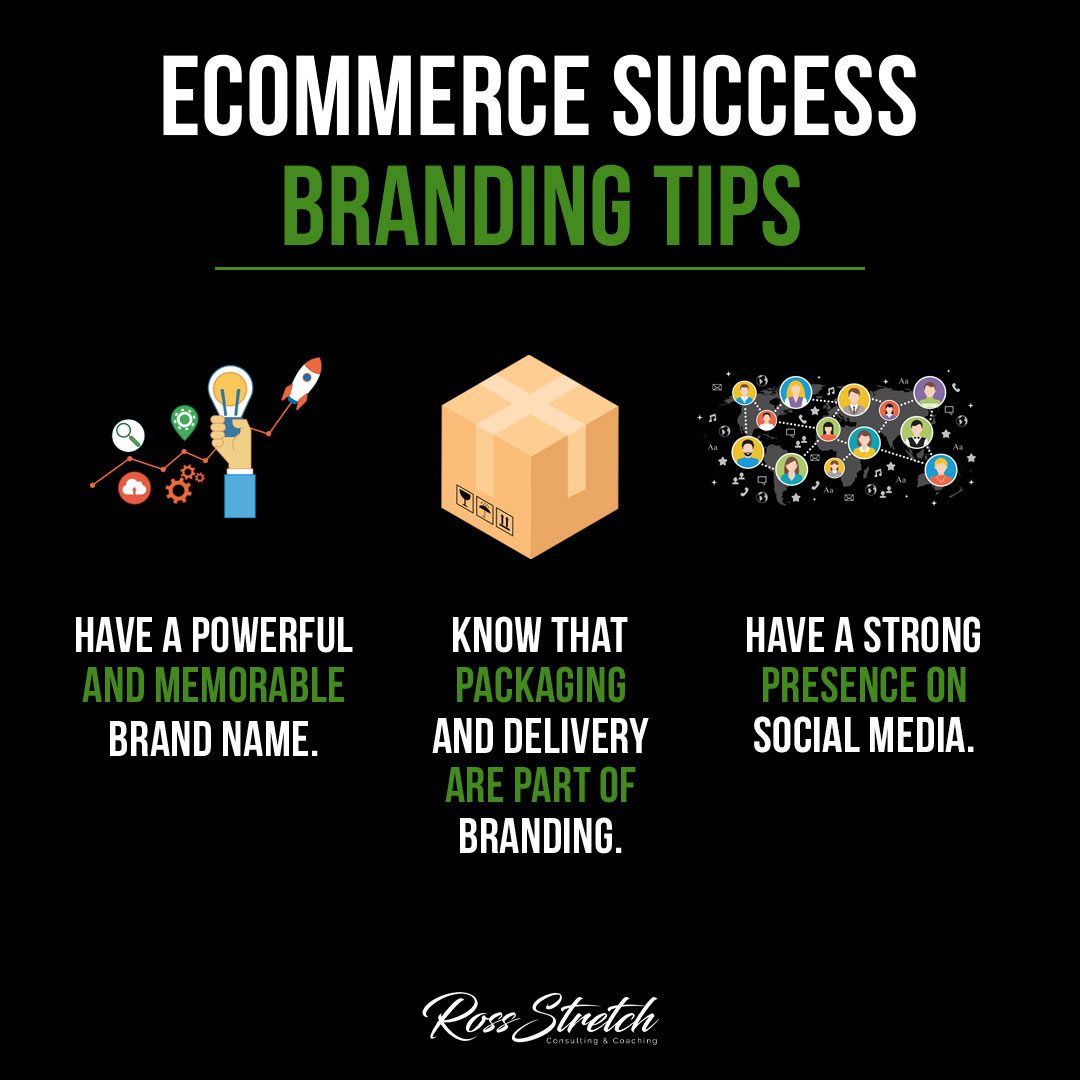
The foundation of any ecommerce brand is its name. Your brand name is often the first thing a potential customer encounters, and it needs to do a lot of work quickly. A strong name should be easy to spell, easy to pronounce, and easy to remember. It should hint at your niche or the feeling you want to evoke without being so literal that it limits your future growth.
Beyond the name itself, you need a brand story. Customers increasingly want to buy from businesses they feel connected to — companies with a clear mission, a relatable origin, or values that align with their own. Share why your brand exists, what problem it solves, and what makes your approach different. A well-told brand story does not just attract customers; it converts them into advocates who genuinely want to share your brand with others.
When choosing your name, also check domain availability, trademark conflicts, and how the name appears across social media platforms. Consistency across every channel is critical from day one. A name that looks great on your website but is already taken on Instagram creates confusion and dilutes your marketing efforts before you even begin.
Packaging and Delivery Are Extensions of Your Brand
Most ecommerce brands underinvest in packaging. That is a mistake. The moment a customer receives their order, packaging becomes your in-person interaction — the physical handshake your business never gets to have otherwise. Well-designed packaging that reflects your brand identity can transform a functional transaction into a memorable experience worth sharing on social media.
You do not need to spend lavishly on custom boxes to make an impression. Thoughtful touches like branded tissue paper, a handwritten thank-you note, or a simple insert card with your logo and a discount code for the next purchase communicate that your brand cares about the experience after the sale. These details cost very little but have an outsized effect on how customers remember and talk about you.
Delivery speed and communication matter equally. Customers want to know where their order is at every stage. Sending timely shipping confirmation emails, providing tracking links, and proactively communicating any delays shows that you respect their time and trust. A smooth delivery experience drives repeat purchases and generates positive reviews that compound into organic growth.
Build a Consistent Social Media Presence
Social media is one of the most powerful tools available to ecommerce brands, but only when used strategically. Presence on the wrong platform wastes your time and energy. Identify where your target customers actually spend their time — Instagram and TikTok serve visual product categories well, LinkedIn is effective for B2B brands, and Pinterest drives strong traffic for lifestyle, home goods, and fashion.
Once you have identified your primary platforms, consistency becomes your biggest asset. Use the same profile image, similar color schemes, and a consistent brand voice across every channel. Customers who discover you through different channels should feel they are encountering the same brand every time — a disjointed experience across platforms erodes rather than builds trust.
Posting frequency matters, but quality outweighs quantity. Share content that genuinely adds value — product tutorials, behind-the-scenes glimpses into your business, customer spotlights, and educational posts that solve problems your audience faces. This approach builds a following of engaged buyers rather than passive scrollers who never convert.
Create Content That Builds Community
Content marketing is the long game of ecommerce branding. When you produce genuinely useful content — whether blog posts, short videos, or infographics — you attract customers who are already interested in what you sell. More importantly, you build trust before asking for a purchase, which dramatically improves conversion rates when visitors do arrive at your product pages.
User-generated content (UGC) is one of the most effective tools for building community around your brand. Encourage customers to share photos and reviews of your products, and feature their content on your social channels with their permission. This creates social proof — real evidence from real people that your products deliver — while also making customers feel like valued members of your brand community rather than one-time transactions.
Consider building an email list alongside your social following. Unlike social platforms, your email list belongs to you entirely. Regular newsletters that provide value, share new arrivals, or offer exclusive discounts keep your brand top of mind and drive repeat purchases from customers who have already demonstrated they trust you enough to buy once.
Measure Performance and Stay Adaptable
Strong branding is not a set-it-and-forget-it exercise. You need to regularly audit how your brand is performing across all channels. Track metrics like website traffic, social media engagement rates, email open rates, customer acquisition cost, and repeat purchase rate. These numbers tell you what is working and where to focus improvement efforts rather than relying on intuition alone.
Customer feedback is equally valuable. Read your reviews — both positive and negative — and look for patterns in complaints that signal a gap between your brand promise and your actual customer experience. Brands that respond to feedback quickly and iterate on their weaknesses build significantly stronger loyalty than those who ignore criticism or treat it as an exception rather than a signal.
The ecommerce landscape changes rapidly. New platforms emerge, consumer preferences shift, and competitors evolve their positioning. Stay curious about trends in your niche, benchmark against competitors periodically, and be willing to refresh your brand strategy when the data tells you it is time. Adaptability is not inconsistency — it is the discipline to evolve without losing your core identity.
Conclusion
Building a powerful ecommerce brand is a long-term investment that pays compounding dividends. From a memorable name and compelling story to consistent social media presence and standout packaging, every element reinforces the customer’s trust in your business. Focus on delivering a consistent experience at every touchpoint, measure what matters, and be willing to adapt as your market evolves. The brands that win in ecommerce are not always the ones with the biggest budgets — they are the ones with the clearest identity and the most committed relationship with their customers.
Resources


 Ross Stretch