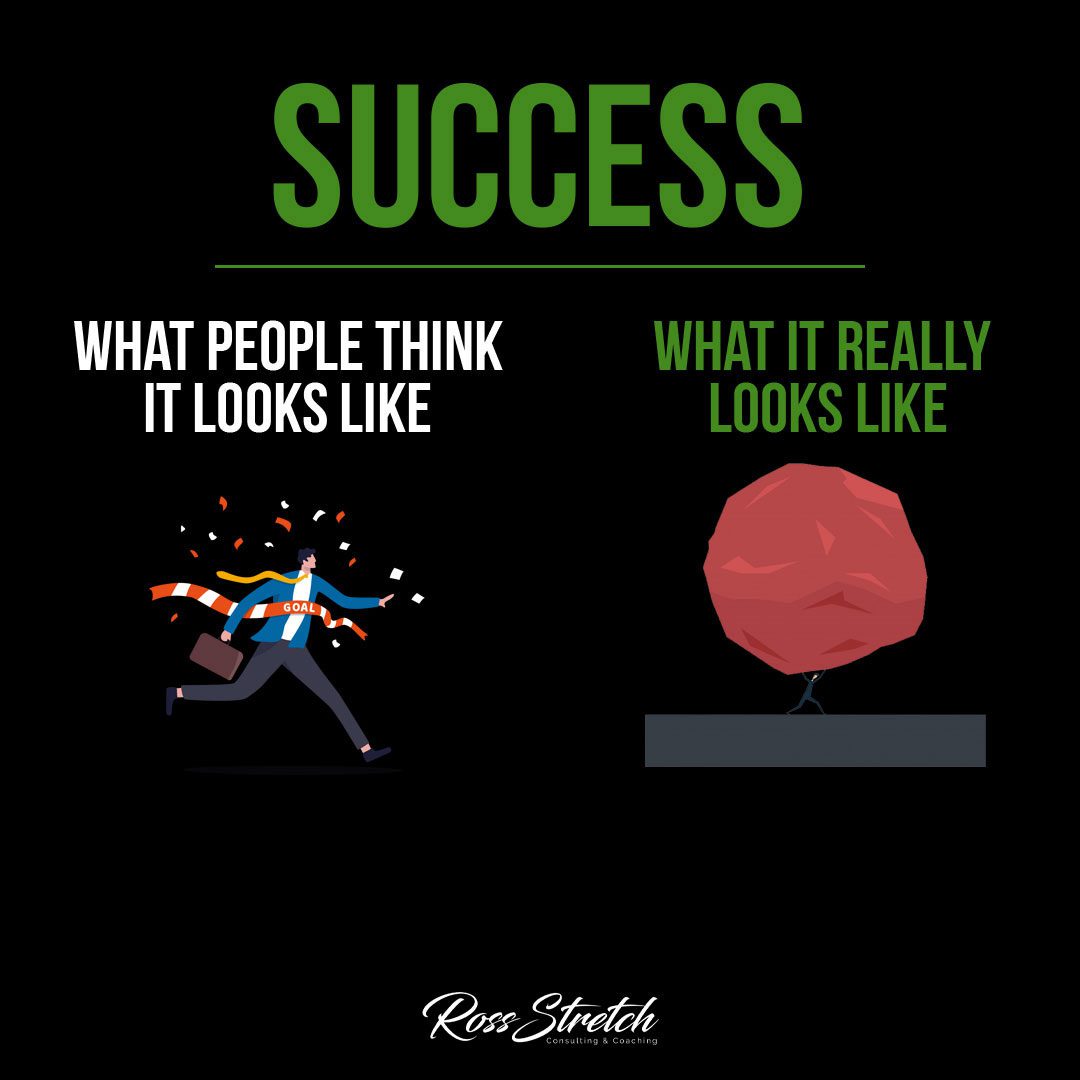
Success is a concept that holds different meanings for different people — yet most people pursue a version of it that was never truly theirs to begin with. Society’s dominant image of success — luxury cars, massive social media followings, effortless wealth — is seductive but incomplete. The real problem facing most ambitious professionals isn’t a lack of discipline or strategy. It’s that they’ve adopted someone else’s definition of success, are using someone else’s roadmap, and wonder why reaching the destination leaves them feeling empty or dissatisfied. Demystifying success means stripping away the inherited assumptions and building a definition that is both personally meaningful and practically achievable.
Why This Matters
The confusion between perceived success and genuine fulfillment has measurable consequences. Research published in the Journal of Positive Psychology found that people who pursue intrinsically motivated goals — those aligned with their personal values and genuine interests — report significantly higher life satisfaction and psychological well-being than those who pursue extrinsic goals like money, status, and social approval, even when the external goal-seekers actually achieve their targets. This is the achievement-without-alignment problem, and it’s far more widespread than most people acknowledge.
Getting your definition of success right is not the soft, philosophical preamble to the real work. It is the first hard, strategic decision — the one that determines whether all the effort, discipline, and sacrifice that follows is pointed toward something genuinely worth having. Without that clarity, you can build impressive systems and work with relentless consistency and still find yourself grinding toward a destination that doesn’t actually represent the life you want.
Step-by-Step: How to Define and Achieve Real Success
Step 1: Separate Your Definition From Everyone Else’s
The foundational step is conducting a serious values audit. Most people have never explicitly examined what they actually care about versus what they’ve been conditioned to want by their upbringing, peer group, or social media feed. Wealth, fame, and material possessions may appear in your vision of success because they were always present in the media you consumed — not because they align with what genuinely motivates and fulfills you. Distinguishing between the two is the work.
- Actionable: Set aside 30 uninterrupted minutes this week and answer three questions without editing yourself: What activities make you lose track of time? What would you pursue even if no one would ever know you did it? What does a genuinely fulfilling day look like five years from now?
- Why It Matters: Research by Yale professor Amy Wrzesniewski shows that people who see their work as a calling — aligned with their deepest values and interests — are measurably more satisfied, healthier, and more productive than those who see it as merely a job or career. Alignment is not idealism. It’s performance strategy.
Step 2: Set SMART Goals That Belong to You
Once you have a working personal definition of success, translate it into specific, measurable, achievable, relevant, and time-bound goals. Vague ambitions produce vague results. “I want to be financially secure” is not a goal — “I will build a $50,000 emergency fund within 18 months by saving $2,800 per month, with automatic transfers set up to eliminate the decision from my routine” is a goal. The specificity forces you to confront reality, surface obstacles early, and create an executable plan rather than a pleasing fantasy.
- Actionable: Rewrite your top three goals in SMART format right now. Then break each goal down into the specific weekly actions required to make progress — starting this week, not next month.
- Why It Matters: Stanford psychologist Albert Bandura’s research on self-efficacy demonstrates that clear, achievable sub-goals build the confidence and momentum required to sustain long-term effort. Each small win reinforces your belief in the possibility of the larger outcome.
Step 3: Embrace a Growth Mindset Toward Every Obstacle
The biggest misconception most people carry about success — reinforced by curated social media — is that successful people experience fewer setbacks. They don’t. They simply reframe setbacks as data rather than verdicts. Carol Dweck’s research at Stanford has demonstrated consistently that individuals with a growth mindset (the belief that abilities can be developed) significantly outperform those with a fixed mindset, particularly under pressure and in the face of failure. The mindset itself becomes a performance variable.
- Actionable: The next time you hit a significant obstacle, write down exactly what happened and identify two specific things you can learn from it before you decide how to respond. This small act breaks the discouragement loop before it takes hold.
- Why It Matters: Mining setbacks for lessons creates a feedback loop between experience and improvement. Without this habit, the same mistakes recur and the same plateaus persist — often indefinitely.
Step 4: Build Systems, Not Just Willpower
Discipline is widely misunderstood as a personality trait — something you either have or you don’t. In reality, consistent self-discipline is primarily a product of well-designed systems and environments. Author James Clear’s research on habit formation, documented in Atomic Habits, makes this explicit: you don’t rise to the level of your goals; you fall to the level of your systems. The architecture of your environment — your schedule, your physical space, your social circle, your defaults — determines your behavior far more reliably than motivation or willpower.
- Actionable: Identify the single most important behavior that moves you toward your highest-priority goal. Then design a trigger-routine-reward loop around it that makes the behavior automatic rather than elective — linking it to a specific time, location, or preceding action.
- Why It Matters: Research on habit formation shows that behaviors anchored to existing environmental cues require significantly less cognitive effort and willpower to sustain over time, dramatically increasing the likelihood of consistency.
Step 5: Commit to Continuous Learning and Development
The most successful people across virtually every domain are defined by an insatiable commitment to learning that persists long after formal education ends. Warren Buffett has attributed much of his edge in investing to spending five to six hours per day reading. Elon Musk taught himself rocket science from textbooks before founding SpaceX. Oprah Winfrey credits her voracious reading habit as one of the primary drivers of her career trajectory. This pattern is not coincidence — it’s the compounding effect of continuous learning applied over years and decades.
- Actionable: Commit to one deliberate learning input per week — a book chapter, a course module, a deep-dive podcast conversation with someone who has already achieved what you’re pursuing.
- Why It Matters: A Pew Research study found that people who identify as lifelong learners report higher income, greater job satisfaction, and a stronger sense of purpose than those who stop actively seeking new knowledge after formal education. Each new idea becomes a lens through which you see every subsequent problem differently.
Common Mistakes to Avoid
- Defining success by comparison — measuring your progress against someone else’s highlight reel instead of your own baseline and goals, which produces chronic dissatisfaction regardless of how much you actually achieve
- Confusing activity with progress — being perpetually busy can mask a lack of strategic clarity; regularly reviewing whether your daily activities are actually moving your key metrics is essential and rarely done
- Skipping the foundational work — jumping straight to tactics (morning routines, productivity apps, networking strategies) without first establishing a clear personal definition of success is the most common and most costly error ambitious people make
- Expecting linear progress — abandoning goals at the first plateau rather than understanding that meaningful progress is almost always nonlinear, front-loaded with slow, unsexy groundwork before a period of visible acceleration
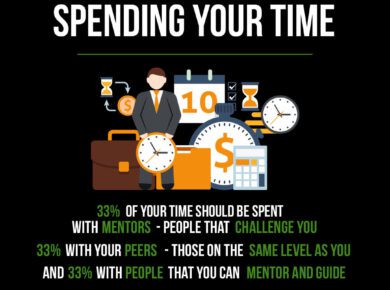
- Going it alone — research consistently shows that mentorship, social support, and structured accountability partnerships dramatically increase the probability of achieving long-term goals compared to pursuing them in isolation
Conclusion
Success is a multifaceted concept that extends far beyond society’s superficial markers. It involves personal fulfillment, continuous growth, resilience through failure, and the discipline to build a life that genuinely reflects your values and priorities. By redefining your perception of success and building the systems and strategies to pursue your own version of it with consistency and intention, you can embark on a journey that actually leads somewhere worth arriving.
The world is full of people chasing someone else’s dream and wondering why reaching it doesn’t feel the way they expected. The real competitive advantage belongs to those who take the time to understand what they genuinely want, build the systems to pursue it with discipline, and stay resilient enough to keep going when the path gets hard. That is the real formula — and it is available to anyone willing to do the foundational work.
Resources

 Ross Stretch