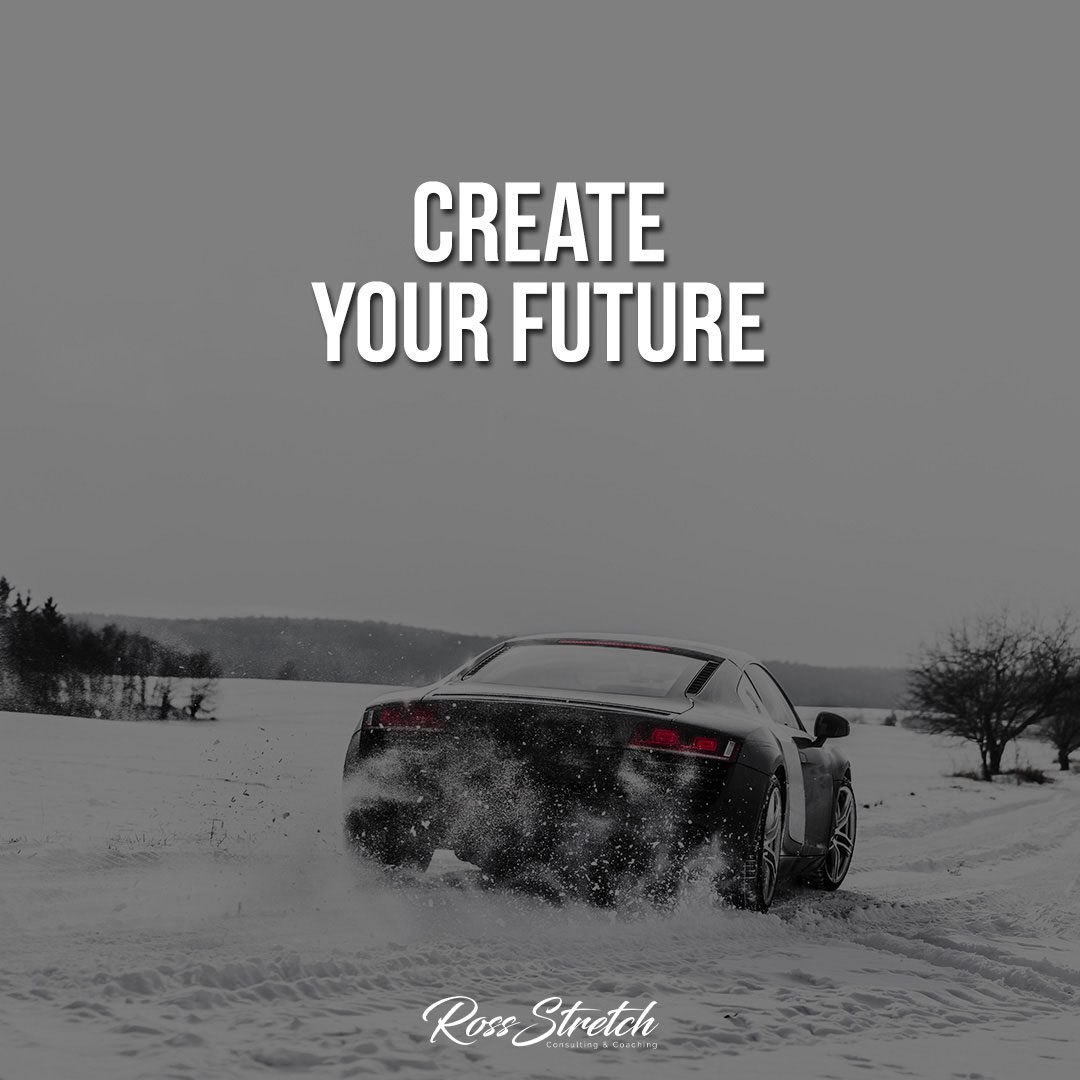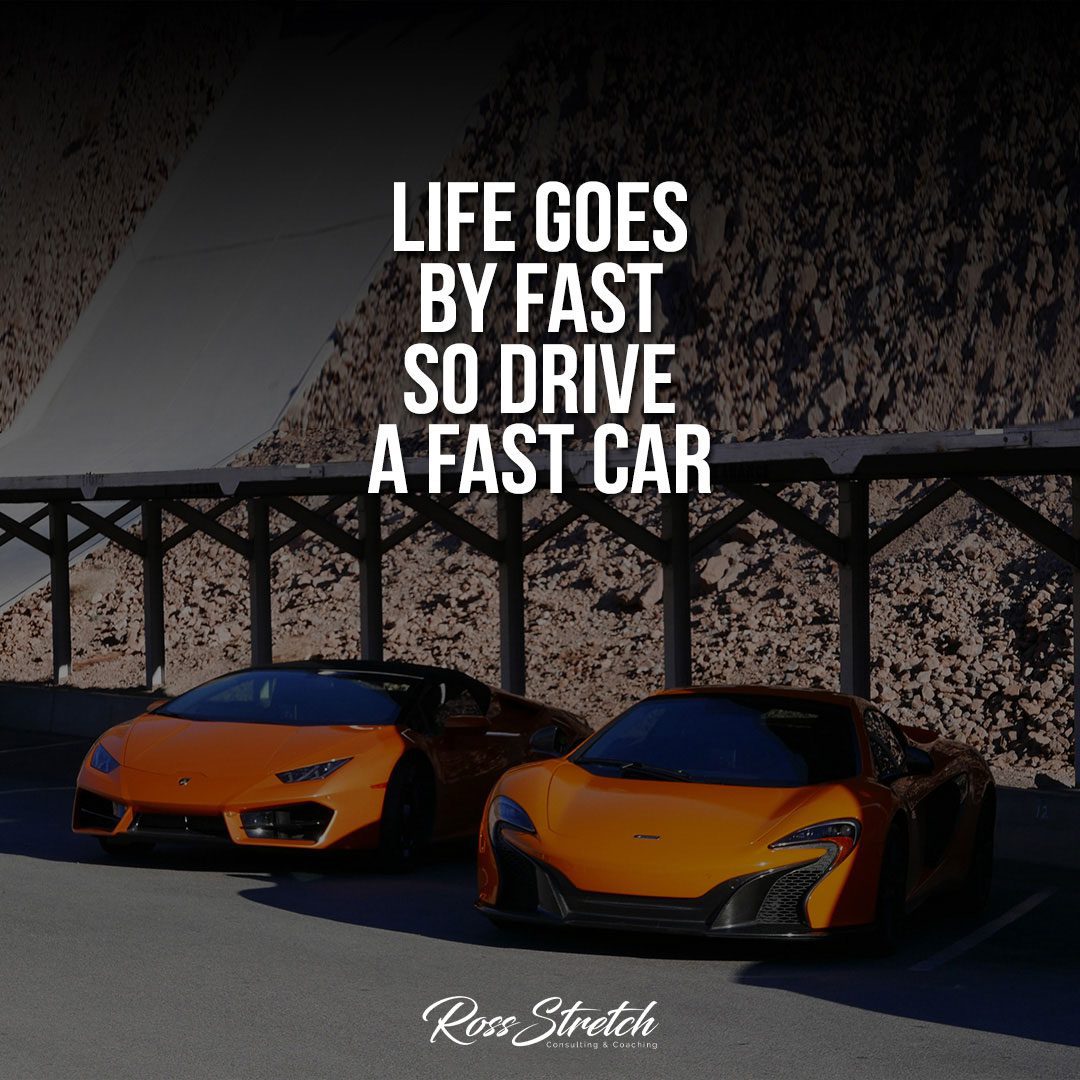
The quote “Life goes by fast, so drive a fast car” isn’t just about automobiles — it’s a call to action. It’s a reminder that time is the one resource you cannot earn back, and the only rational response is to pursue experiences that make you feel fully alive. For ambitious professionals navigating careers, relationships, and personal growth, this idea isn’t reckless — it’s essential. The fast car is a symbol of urgency, presence, and the refusal to let your best years slip by unnoticed.
The Speed of Life and Why It Demands Your Attention
There’s a reason people hit their 40s and wonder where the last decade went. Life doesn’t slow down to let you catch up — it accelerates. The demands of career advancement, financial milestones, and personal responsibilities create a current that pulls you forward whether you’re ready or not. The question isn’t whether life moves fast. The question is whether you’re moving with intention inside that speed.
Psychologists describe the experience of being fully absorbed in a challenging, rewarding activity as “flow” — a state where time seems to both accelerate and stand still. Mihaly Csikszentmihalyi’s foundational research shows that peak life satisfaction comes not from rest or passivity, but from deep engagement. The fast car, then, is a symbol of choosing engagement over avoidance, momentum over stagnation. The people who look back on their lives with satisfaction are rarely the ones who played it safe at every turn.
Speed as a Metaphor for Intentional Living
When you drive a fast car, you don’t zone out. You’re fully present — reading the road, adjusting your grip, responding in real time. That kind of heightened awareness is exactly what intentional living demands. You can’t sleepwalk through your 30s and expect to feel satisfied in your 50s. Presence isn’t a passive state; it’s an active choice you make moment by moment.
The metaphor extends beyond thrill-seeking. Driving fast requires preparation, mechanical understanding, and respect for the road. Similarly, living with velocity requires knowing your values, understanding your limits, and respecting the people alongside you. Speed without skill is recklessness. Speed with intention is momentum — and there is a meaningful difference between the two.
Ambitious professionals often confuse busyness with velocity. Being busy means spinning your wheels on low-value activities that fill the calendar without moving the needle. True velocity means moving toward goals that matter, eliminating friction wherever you find it, and making deliberate choices about where your energy goes. The fast car doesn’t idle in traffic — it finds a different route.
Stepping Out of Your Comfort Zone
The greatest regrets tend not to be about what we did — they’re about what we didn’t do. Fear of failure, fear of judgment, and fear of the unknown keep most people firmly inside the boundaries of what feels safe and predictable. But growth doesn’t happen inside the comfort zone. It happens at the edge of it, where things feel uncertain and your pulse quickens.
Research in positive psychology consistently shows that novel experiences produce stronger memories and greater reported life satisfaction. When you do something for the first time — launching a business, traveling somewhere unfamiliar, or driving a high-performance car on an open road — your brain encodes that experience with more depth and detail than a routine Tuesday. Life feels longer and richer when you fill it with firsts, with challenges, with moments that require your full attention.
For professionals, stepping out of the comfort zone often means taking visible risks: pitching the unconventional idea, making the bold career move, or investing in something before it feels completely safe. The people who reflect on their lives with the deepest satisfaction are almost always the ones who decided to act before they felt fully ready — because fully ready rarely arrives on its own.
Chasing Experiences Over Things
The research on happiness is consistent and clear: experiences deliver more lasting satisfaction than possessions. A new car depreciates the moment you drive it off the lot. But the memory of driving it at sunrise on an empty mountain road — that stays with you. Experiences become part of your identity in a way that possessions never can. They shape how you see yourself and how you tell your story.
This insight matters for how you allocate your time and money. Spending on experiences — travel, motorsports, concerts, adventure, new skills — tends to produce more lasting well-being than equivalent spending on material goods. It also generates better stories, stronger social bonds, and a richer internal narrative about who you are and what you stand for. The ambitious professional who invests deliberately in experiences isn’t being indulgent. They’re building a life worth working for.
Connection and Community: The Ride You Share
No great adventure is truly solitary. The relationships you build and nurture along the way are what give velocity its meaning. A fast car with no one to share the memory with is just speed. The people you bring into your journey — mentors, partners, friends, collaborators — amplify every experience and create a shared story worth telling long after the moment has passed.
For ambitious professionals, community matters strategically as well as emotionally. Your network is an accelerator. The right relationships open doors, provide honest feedback, and keep you accountable to the goals you set for yourself. Investing in relationships isn’t a distraction from your ambitions — it’s one of the most reliable catalysts for them. The people around you determine, in large part, the pace at which you grow.
Gratitude keeps the engine running. When you acknowledge the people, opportunities, and experiences that have shaped your path, you build the kind of psychological resilience that sustains long-term performance. Research from the Greater Good Science Center at UC Berkeley consistently links gratitude practices to higher energy levels, stronger relationships, and greater progress toward meaningful goals. Appreciation and ambition are not opposites — they reinforce each other.
Conclusion
Life moves at a velocity that waits for no one. The choice isn’t whether to engage with its speed — it’s whether you’ll engage deliberately or drift along reactively. Embracing life’s velocity means pursuing experiences that challenge and excite you, cultivating presence in each moment, building relationships that matter, and moving toward goals that reflect who you actually are. The fast car isn’t about recklessness. It’s about refusing to let your most vivid years pass by in a fog of hesitation. Drive with intention. Feel the road. Stay fully awake.
Resources

 Ross Stretch