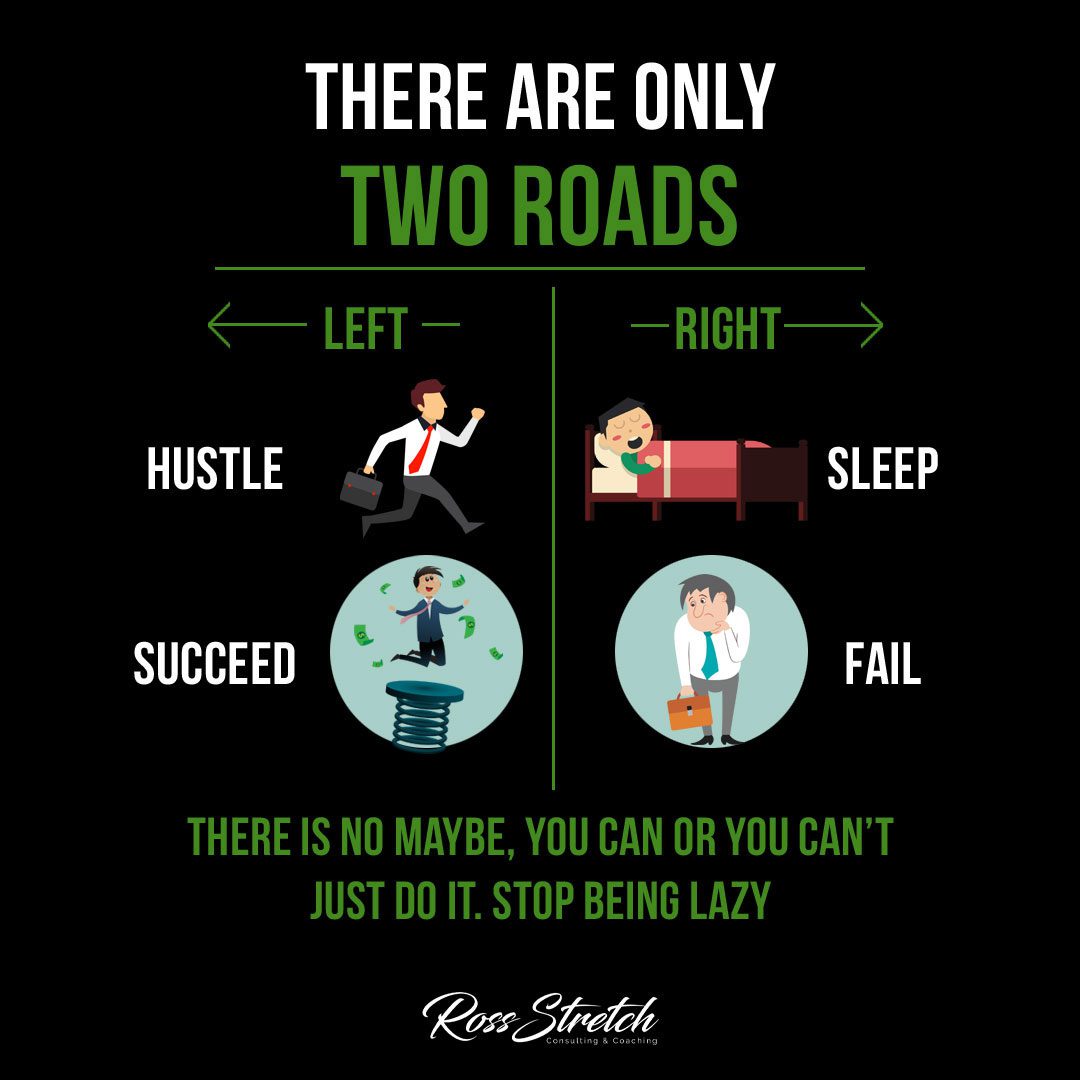
Every day presents a choice. You can take action toward your goals, or you can defer them to tomorrow. You can build the habits that compound into achievement, or you can coast on comfort and watch opportunities pass by. This is not a motivational cliche — it is the fundamental dynamic that separates those who achieve meaningful goals from those who do not. A strong work ethic, the discipline to overcome procrastination, and a genuine growth mindset are not personality traits you either have or lack. They are skills you can develop — but only if you choose the road that demands them.
Road One: Hustle, Action, and the Compounding Effect of Effort
The hustle road is not glamorous. It means showing up before you feel ready, working through resistance, and choosing the harder option when the easier one beckons. People who travel this road understand something that most people miss: action is a prerequisite for clarity. You do not figure out the path first and then start moving — you start moving and the path reveals itself. Waiting for perfect conditions is a trap that keeps most people perpetually at the starting line.
The compound effect of consistent effort is one of the most powerful forces in personal and professional development. Small daily actions — 30 minutes of reading, one meaningful conversation, one piece of work produced — seem trivial in isolation. Over months and years, they accumulate into expertise, relationships, and opportunities that appear to outside observers as overnight success. The people who build meaningful businesses and careers are, in most cases, simply people who started earlier and kept going longer than everyone else.
- Take initiative on your goals today — waiting for perfect circumstances means never starting
- Set specific, measurable goals with deadlines to create genuine accountability
- Commit to a daily minimum — one hour, one task, one forward step — regardless of motivation level
Why Hard Work Still Matters in an Age of Efficiency
Productivity culture has generated a lot of noise about working smarter instead of harder, as though the two are mutually exclusive. They are not. The most successful people work both smart and hard — they optimize their systems and then pour sustained effort into those systems. No amount of clever strategy substitutes for the volume of work required to develop genuine competence or build a real business from the ground up.
Research by psychologist Anders Ericsson on expert performance found that top performers in virtually every field — music, sports, chess, medicine, business — share one common factor: deliberate practice measured in thousands of hours. The people who reach the highest levels of their craft are not necessarily the most naturally talented. They are the ones who put in the most quality practice over the longest sustained period. That finding is simultaneously humbling and empowering: elite performance is available to anyone willing to do the work with intention.
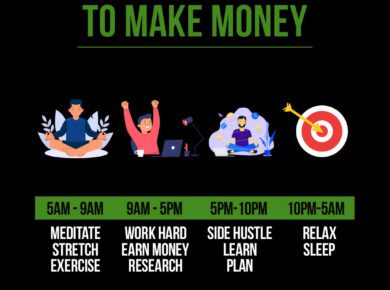
Developing a strong work ethic also requires learning to manage your energy, not just your time. Schedule your most cognitively demanding work during your peak hours. Protect those blocks deliberately. Recovery — sleep, exercise, strategic rest — is not a luxury on the hustle road; it is what makes sustained high performance possible without burning out before you reach your goals.
Seek Growth Through Challenge and Collaboration
One of the consistent markers of people on the hustle road is their orientation toward growth rather than comfort. They view obstacles as feedback, not as evidence that they should quit. When a strategy fails, they adjust and try again. When a skill gap appears, they close it. This is not a personality trait — it is a practiced response that becomes habitual over time as it produces results that reinforce the behavior.
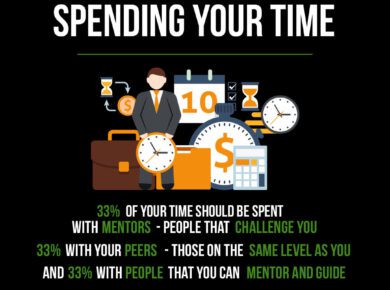
Equally important is the network you build around yourself. The relationships you invest in on the hustle road compound as surely as your financial investments. Mentors accelerate your learning by helping you avoid mistakes they already made. Peers raise your standards through proximity. Collaborators extend your reach into opportunities you could not access alone. Isolation is the enemy of growth; strategic connection is one of the highest-leverage activities available to any entrepreneur or professional.
- Embrace challenges as opportunities to develop skills you do not yet have
- Step outside your comfort zone regularly — growth only happens at the edge of your current capability
- Invest deliberately in relationships with people whose ambition and character you want to emulate
Road Two: The Hidden Costs of Complacency
The second road — the road of avoidance, delay, and complacency — is seductive because it is comfortable. Binge-watching television, endlessly scrolling social media, or finding reasons why today is not quite the right day to start all feel pleasant in the moment. They do not feel pleasant years later when you look back and realize the accumulation of those deferred days has cost you years of potential progress and compounded into a life that feels smaller than you intended.
Complacency is not passive. It is an active choice with real consequences — missed opportunities, undeveloped skills, unrealized earning potential, and a creeping sense that your life is happening to you rather than being shaped by you. The people who look back at middle age with the heaviest regret are not usually those who tried and failed. They are most often those who never truly committed. They chose the comfort of the second road, not realizing where it led.
How Procrastination Quietly Compounds Against You
Procrastination is not laziness — it is usually avoidance of discomfort. Research has found that procrastination is closely linked to anxiety, perfectionism, and fear of failure or judgment. The task feels overwhelming or threatening, so the mind seeks relief by doing something easier. The problem is that avoidance provides only temporary relief while the actual cost of the avoided task — the missed deadline, the uncompleted project, the untaken opportunity — keeps accumulating in the background.
Breaking the procrastination cycle requires understanding what is underneath it. Is the task too big? Break it into the smallest possible next action. Do you fear doing it poorly? Remind yourself that a completed imperfect thing beats an uncompleted perfect one every time. Are you waiting for motivation? Action generates motivation — motivation rarely generates action. Start, and the emotional momentum follows. This is not a mindset trick; it is a neurological reality. Forward motion creates its own energy.
- Use the two-minute rule: if a task takes less than two minutes, do it immediately rather than scheduling it
- Break large goals into daily actions small enough that resistance cannot credibly use them as an excuse
- Schedule specific work blocks and treat them with the same commitment as external appointments
- Eliminate environmental triggers that make avoidance easy — notifications, clutter, easy distractions within reach
Conclusion
The two roads are always available. The hustle road demands discomfort in the short term but pays dividends of accomplishment, capability, and self-respect that compound over time. The road of complacency offers comfort in the short term but exacts a steep price measured in regret and unrealized potential. The choice is yours to make every single day — and it is made not in grand declarations but in small decisions: whether you start now or later, whether you push through resistance or give in to it. Choose the road that leads where you actually want to go, and choose it again tomorrow.
Resources

 Ross Stretch