The internet has fundamentally changed how businesses generate revenue, and the pace of that change keeps accelerating. What once required a physical storefront, a large team, and significant upfront capital can now be launched from a laptop with minimal overhead. The challenge today is not whether a viable path exists — there are dozens — but understanding which online business models consistently produce results, why they work, and how to choose the right structure for your goals. From content-based platforms to subscription businesses and marketplace models, the digital economy rewards entrepreneurs who understand its dynamics before committing time and resources to a direction.
\
\
\
\
Content-Based Business Models
\
\
Content is the foundation of many of the internet’s most successful businesses. Content-based models attract audiences by delivering genuine value through information, entertainment, or education, then monetize that audience through advertising, sponsorships, affiliate marketing, or premium tiers. Blogs, YouTube channels, newsletters, and podcasts all operate on this basic structure.
\
\
The key variables are audience specificity and content quality. A tightly focused blog serving a high-intent audience — say, a personal finance site for first-time Canadian homebuyers — can generate significant affiliate and advertising revenue despite having a fraction of the traffic a general-interest site would require to produce equivalent income. Niche specificity allows for higher advertising rates and more relevant affiliate partnerships, both of which improve revenue per visitor.
\
\
Content businesses take time to build. The typical growth curve is slow for the first 12 to 18 months, then begins compounding as search rankings improve and audience loyalty develops. The businesses that succeed in this model are those that commit to a publishing cadence and continuously improve content quality based on what their audience actually engages with and shares. Consistency over time is the real competitive advantage.
\
\
\
\
Social Networks and Community Platforms
\
\
Social networks monetize human connection at scale. These platforms — ranging from large established networks like LinkedIn and Facebook to niche community tools like Circle or Mighty Networks — generate revenue primarily through advertising, premium memberships, and marketplace features built on top of the community infrastructure.
\
\
The value of a social network is derived almost entirely from its users. The more people who participate, the more valuable the platform becomes to each individual member — a dynamic economists call the network effect. This makes social platforms notoriously difficult to build from scratch but extraordinarily defensible once they reach critical mass in a specific community or interest area.
\
\
For entrepreneurs, building a focused online community around a specific interest, profession, or shared goal can be a highly effective business model. Membership communities with monthly subscription fees, access to expert knowledge, and peer networking can generate reliable recurring revenue while delivering real value to members who feel genuinely invested in the group. The key is ensuring the community produces outcomes members cannot easily find elsewhere.
\
\
\
\
Subscription Models: Predictable, Recurring Revenue
\
\
The subscription model has become one of the most sought-after structures in the digital economy. Rather than generating one-time transactions, subscription businesses build predictable, recurring revenue that compounds as the subscriber base grows and churn rates decline. Software as a service (SaaS), streaming platforms, newsletter businesses, and premium membership sites all operate on this model.
\
\
The economic appeal is straightforward. A customer who pays $50 per month and retains for an average of 24 months represents $1,200 in lifetime value from a single acquisition. This makes customer acquisition costs more justifiable and allows businesses to invest heavily in retention and product quality. The challenge is delivering consistent value that makes cancellation feel like a meaningful loss to the subscriber, month after month.
\
\
Subscription businesses live and die by their churn rate — the percentage of subscribers who cancel each month. Keeping churn low requires understanding why people leave and solving those reasons before they become habits. Successful subscription businesses invest heavily in onboarding experiences, customer success, and continuous product improvement to ensure subscribers remain engaged and see clear ongoing value in their membership.
\
\
\
\
Marketplace and Brokerage Platforms
\
\
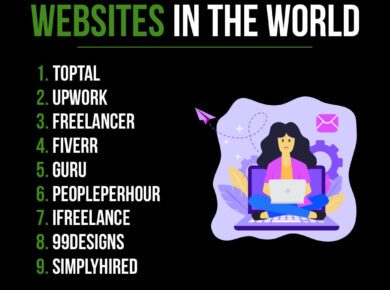
Marketplace businesses connect buyers and sellers, taking a transaction fee or commission for facilitating the exchange. Airbnb, Etsy, Upwork, and Amazon Marketplace all operate on this structure. The model is appealing because the platform itself does not need to own inventory or deliver the service — it provides the infrastructure for others to transact, capturing value at scale without the operational complexity of managing physical goods or direct service delivery.
\
\
The core challenge of building a marketplace is the cold start problem: buyers will not come if there are no sellers, and sellers will not invest time on a platform with no buyers. Successful marketplace businesses typically solve this by dominating one side of the market first — often recruiting supply aggressively with favorable early terms — before opening the platform to buyers. Focused geographic or niche launches reduce the scope of this challenge significantly.
\
\
Trust is the operating currency of any marketplace. Ratings and review systems, secure payment processing, and responsive dispute resolution are not features — they are the product. Platforms that allow trust to erode quickly lose both sides of their marketplace to competitors who manage trust more effectively.
\
\
\
\
E-Commerce: Selling Directly to Consumers
\
\
E-commerce has permanently changed retail. Online stores allow businesses to reach customers globally without the overhead of physical retail space, and tools like Shopify have lowered the technical barrier to entry dramatically. The model ranges from dropshipping operations with no inventory to custom brand manufacturers with sophisticated supply chains and strong brand identities.
\
\
Profitability in e-commerce depends heavily on margin and customer acquisition cost. The businesses that succeed long-term are those that build genuine brand loyalty — customers who return without needing to be re-acquired through expensive paid advertising each time. Email marketing, excellent post-purchase experiences, and loyalty programs all contribute to the repeat purchase rates that make e-commerce operations financially sustainable beyond the initial growth phase.
\
\
Direct-to-consumer brands that own their customer relationships and first-party data hold a meaningful competitive advantage over those that sell primarily through third-party platforms. Building an owned audience — through email lists, SMS programs, or loyalty frameworks — reduces dependency on platforms whose algorithms and fee structures can change without notice, taking a business’s traffic or margins with them.
\
\
\
\
Lead Generation: Connecting Intent With Buyers
\
\
Lead generation businesses attract high-intent consumers searching for specific products or services, then sell that contact information or referral to businesses equipped to serve those consumers. This model is especially prevalent in industries with high customer lifetime values: insurance, mortgages, legal services, and financial advising are all categories where a single qualified lead is worth hundreds or thousands of dollars to the business that receives it.
\
\
Effective lead generation requires building content and tools that attract the right searchers organically, then converting that traffic into qualified leads through well-designed intake forms, comparison tools, or diagnostic quizzes. The business model works because it solves a real problem for both sides: consumers get connected with qualified professionals, and businesses get potential clients who are actively searching for exactly what they offer. The lead generation company earns a fee for making the match efficiently.
\
\
\
\
Conclusion
\
\
No single online business model is universally superior. The best choice depends on your skills, resources, risk tolerance, and the specific market you intend to serve. Content businesses reward patience and consistency. Subscription models reward product quality and retention focus. Marketplaces reward the ability to solve trust and liquidity problems simultaneously. E-commerce rewards brand building and operational discipline. Understanding the mechanics of each model before committing is what separates entrepreneurs who iterate toward success from those who burn time and capital chasing a structure that was never suited to their situation in the first place.
\
\
\
\
Resources
\
\
- \
- Shopify Blog: E-Commerce Business Models Explained — practical breakdown of the most common online selling structures with real-world examples and launch considerations.
- Investopedia: E-Commerce Overview — clear explanations of digital marketplace economics, revenue models, and how online businesses are valued.
- Harvard Business Review: Pipelines, Platforms, and the New Rules of Strategy — foundational analysis of how platform and marketplace businesses differ from traditional pipeline businesses and why it matters.
- Platform Revolution by Parker, Van Alstyne and Choudary — the definitive guide to how marketplace and platform businesses are built, scaled, and defended against competition.
\
\
\
\


 Ross Stretch