In a world where information changes faster than most industries can keep up, continuous learning is no longer a nice-to-have — it is a prerequisite for staying competitive, making better decisions, and building a life on your own terms. The gap between people who deliberately invest in knowledge acquisition and those who rely on what they already know compounds over time, much like financial interest. Whether you are building a business, advancing a career, or simply trying to understand the world better, the methods you use to learn matter as much as the decision to learn at all. Here are the most effective avenues for gaining knowledge that actually sticks.
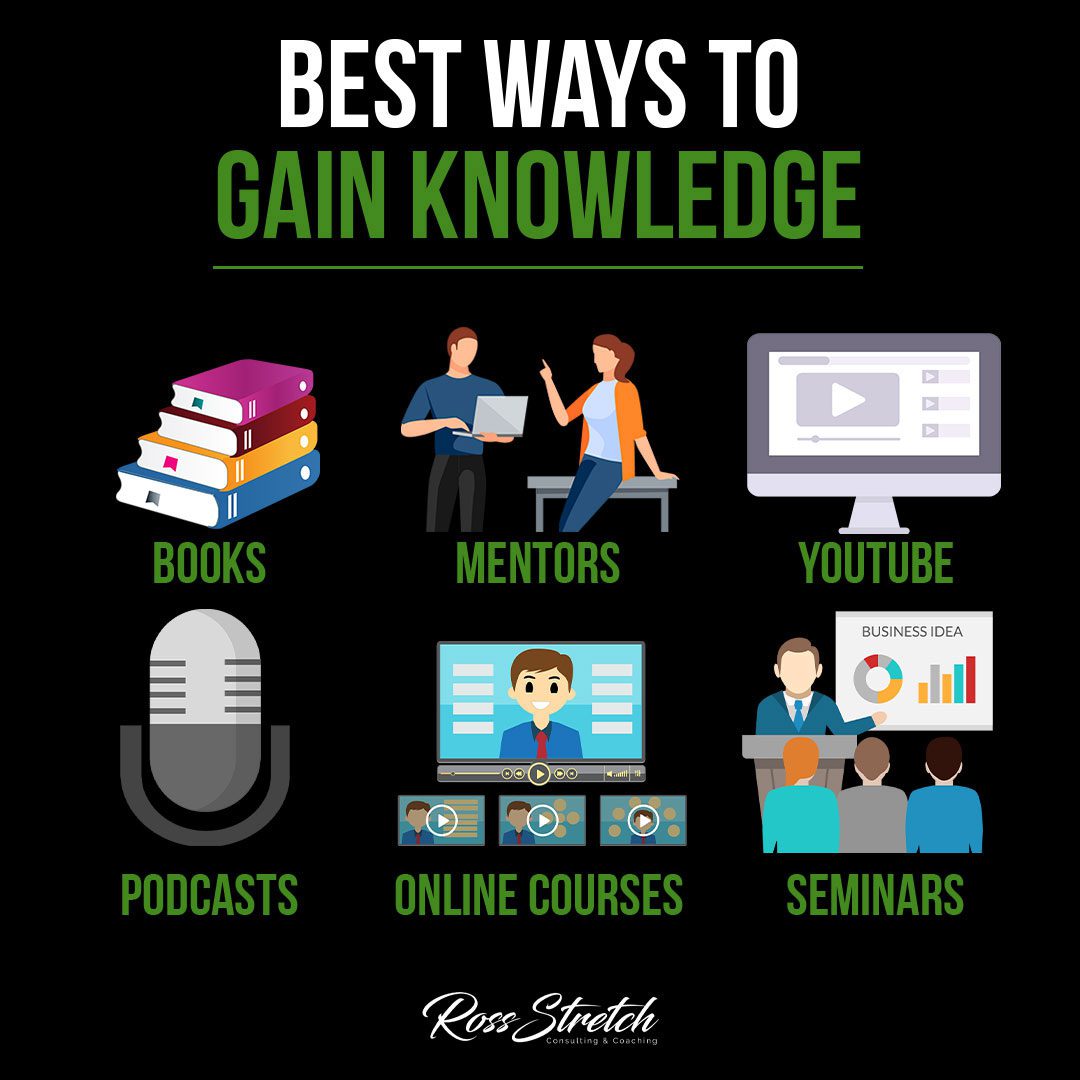
Books: The Highest-Return Learning Investment
Despite the explosion of digital content, books remain one of the highest-return investments of time available to anyone. A well-written book distills years of research, experience, and thought into a few hundred pages you can absorb in a few hours. Reading one quality book per month gives you the concentrated insight of twelve subject-matter experts across a year.
Non-fiction books in particular offer something most other formats cannot: depth. Podcasts give you thirty minutes on a topic. A YouTube video gives you a ten-minute overview. A book gives you the full argument, the counter-arguments, the nuance, and the practical takeaways. That depth changes how you think, not just what you know. Build the habit by carrying a book wherever you go and replacing screen time incrementally. Many high-output professionals read for thirty to sixty minutes before bed as a non-negotiable part of their daily routine.
Mentors: Compressing Years of Trial and Error
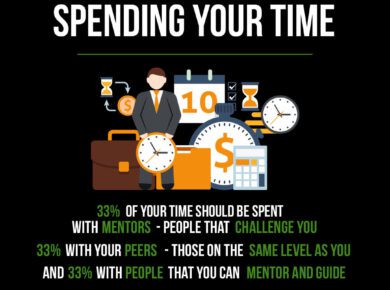
No amount of reading or online content fully replaces the insight of someone who has already done what you are trying to do. A good mentor compresses years of trial and error into direct, personalized guidance. They tell you what not to do, which problems are not worth solving, and which opportunities are worth pursuing — context that no book can provide because it is specific to you and your situation.
Finding a mentor does not require formal programs or insider access. Many experienced professionals are willing to share knowledge with someone who demonstrates genuine commitment and asks thoughtful questions. Reach out through professional communities, industry events, and LinkedIn with specific, respectful requests — not generic asks, but targeted questions about a precise challenge you are navigating. The best mentoring relationships are reciprocal: bring value where you can, respect their time, and come prepared to every conversation with evidence that you have acted on previous advice.
YouTube and Podcasts: Learning in Dead Time
YouTube has evolved into one of the most powerful free educational platforms in the world. Channels dedicated to finance, entrepreneurship, science, history, and dozens of other fields produce high-quality content that rivals formal education in many areas. For visual learners and those who benefit from demonstrations, YouTube is often more effective than text for technical subjects.
Podcasts fill a different and equally valuable niche: they transform time that would otherwise be wasted into learning time. Commutes, workouts, meal prep, and household tasks become opportunities to absorb new ideas. A forty-five-minute daily commute, spent listening to educational podcasts, adds over 270 hours of learning per year — equivalent to more than eleven full working days. The key with both formats is intentionality. Passive consumption of entertaining content is not learning. Choose channels and shows tied to your specific goals, take notes on episodes with actionable material, and follow up with deeper reading on topics that resonate.
Online Courses: Structured Skill Building
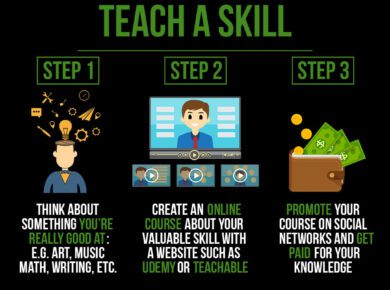
When you need to develop a specific, marketable skill — not just general knowledge — structured online courses outperform passive formats. Platforms like Coursera, Udemy, Skillshare, and LinkedIn Learning offer courses built around clear learning outcomes, often developed by universities or industry practitioners with real track records.
The structure matters. Assignments, quizzes, and projects force application of what you are learning, which accelerates retention dramatically. Completing a course on financial modeling, copywriting, data analysis, or project management gives you a verifiable credential and practical experience simultaneously. Look for courses with strong reviews, recently updated content, and practical exercises rather than lecture-heavy formats. Many platforms offer free trials or income-based financial aid, making quality skill education accessible at virtually any budget.
Seminars and Live Events: Network and Depth
In-person seminars, conferences, and workshops offer something digital formats fundamentally cannot: the energy and serendipity of being in a room with people who share your interests and ambitions. Ideas absorbed in a well-run seminar are reinforced by discussion, debate, and the relationships you build with other attendees — and those relationships often prove more valuable than the content itself.
Industry conferences are particularly valuable early in a professional journey. They expose you to how the best practitioners in a field think, give you a sense of where things are heading, and create connections that can alter your career trajectory. Attend with specific questions in mind. Presenters at seminars are generally accessible, and a focused conversation after a session can open mentoring relationships, partnerships, or new perspectives that no course can replicate. Many cities also host lower-cost events through entrepreneurship organizations and local business associations that deliver strong value without the expense of major conferences.
Conclusion
Knowledge compounds just as money does. People who invest consistently in learning — through books, mentors, digital content, structured courses, and live events — build intellectual capital that pays dividends for decades. The medium matters less than the consistency of the commitment. Pick two or three formats that fit your schedule and learning style, build learning into your routine deliberately, and measure progress by what you can actually do differently — not by how much content you have consumed.
Resources
- Coursera — online courses from top universities and industry leaders
- Udemy — practical skill-building courses across hundreds of subjects
- Goodreads — book discovery, reviews, and reading tracking to build a consistent reading habit
- Podcast Addict — podcast discovery and management for on-the-go learning

 Ross Stretch