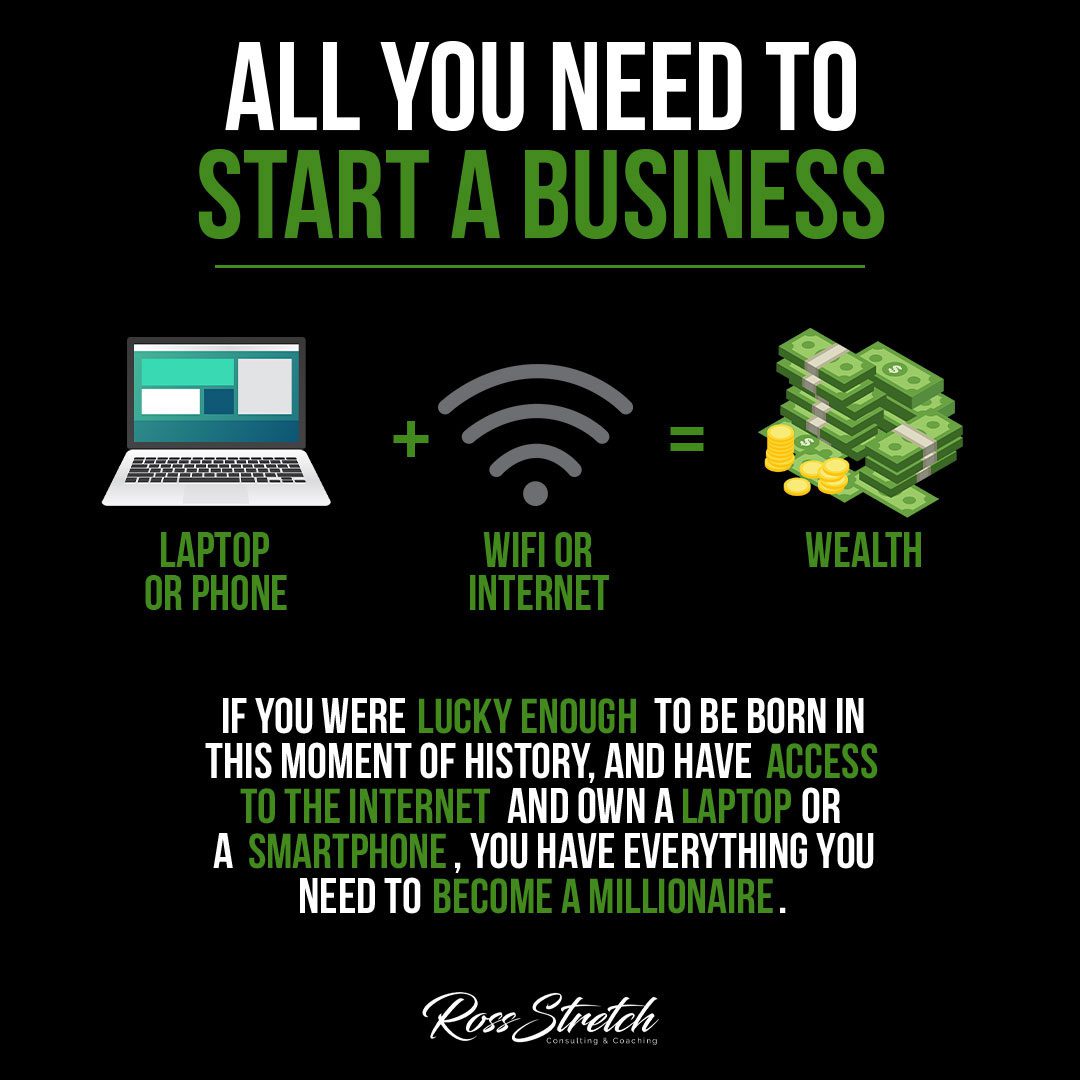
The gap between having a business idea and actually running a profitable company has never been smaller. A decade ago, launching a business meant renting office space, hiring staff, and navigating a maze of upfront costs that put entrepreneurship out of reach for most people. Today, if you have a laptop, an internet connection, and a willingness to learn, you have everything you need to build a real income stream — or an entire company — from scratch. This guide cuts through the noise and gives you a clear, honest picture of what it takes to start a business and achieve lasting financial success in the digital age.
Your Digital Toolkit: The Foundation of Every Modern Business
It is easy to underestimate how much firepower a modern laptop and a solid internet connection put in your hands. Your laptop is not just a device for sending emails — it is your production studio, your accounting department, your storefront, and your communications hub. Free and low-cost tools like Google Workspace, Notion, Canva, and QuickBooks Self-Employed allow solo founders to operate with the efficiency that once required an entire team. The barrier to entry has collapsed, and the entrepreneurs who recognize that tend to move faster than those who wait until conditions feel perfect.
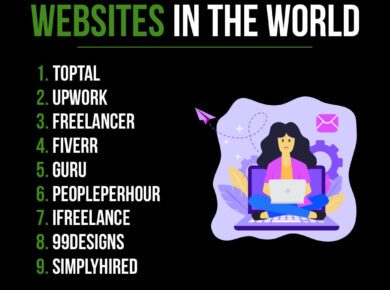
Internet access extends your reach from your local neighborhood to a global market of billions. You can research competitors in Tokyo, sell digital products to customers in London, and collaborate with a contractor in Lisbon — all before lunch. E-commerce platforms like Shopify, marketplaces like Etsy or Amazon, and freelance platforms like Upwork give first-time founders immediate access to paying customers without building an audience from zero. The infrastructure is already there; your job is simply to plug into it with something valuable to offer.
Do not let tool overload slow you down. Start with the minimum viable stack: a communication tool, a document editor, and a way to accept payment. For most online businesses, that means Gmail, Google Docs, and Stripe or PayPal. Everything else can be layered in as your revenue grows and your needs become clearer.
Choosing a Business Model That Fits Your Life
One of the biggest mistakes new entrepreneurs make is chasing the business model that sounds most exciting rather than the one that aligns with their actual skills, schedule, and risk tolerance. There is no universally superior model — only the right fit for the person building it. A freelance graphic designer and a software-as-a-service founder are both building businesses, but their daily realities, capital needs, and growth trajectories look almost nothing alike.
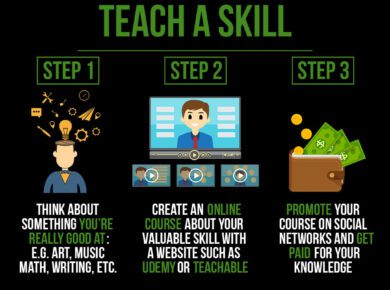
The four most accessible digital business models for first-time founders are services, digital products, content monetization, and e-commerce. Service-based businesses — consulting, coaching, copywriting, web design — have the lowest startup cost and the fastest path to revenue because you are selling expertise you already have. Digital products like e-books, online courses, and software templates take more upfront work but generate passive income once built. Content businesses built around YouTube, newsletters, or podcasting compound slowly but create durable audience assets. E-commerce, whether dropshipping or selling physical goods, has higher operational complexity but a proven demand curve.
Pick one model and go deep before exploring others. Diversification is a strategy for established businesses with cash flow to spare — for a first-time founder, spreading attention across multiple models guarantees mediocrity in all of them. Master one revenue stream first, then build from a position of strength.
Building an Online Presence That Attracts Paying Customers
In a digital economy, your online presence is your storefront. A potential customer who cannot find you online, or who lands on a confusing or outdated website, will simply move on to a competitor who made a better first impression. You do not need a sophisticated web presence on day one, but you do need a credible one. A clean, professional website — even a simple one-page site built on Squarespace or Webflow — signals legitimacy and gives customers a place to learn about your offer and take action.
Social media is a distribution channel, not a business. Too many aspiring entrepreneurs spend their energy chasing followers rather than building something of value. Use one or two social platforms strategically to drive traffic to your offer, but do not let vanity metrics distract you from the metrics that actually matter: inquiries, leads, and revenue. LinkedIn is a particularly powerful platform for B2B service providers and consultants, while Instagram and TikTok can accelerate brand building for consumer-facing businesses.
Email marketing remains one of the highest-return activities any online business can invest in. Building an email list of people who have opted in to hear from you is far more valuable than any social media following because you own that relationship entirely — no algorithm can cut off your access. Tools like Mailchimp, ConvertKit, or Beehiiv make it simple to start collecting emails and nurturing potential customers from day one.
The Entrepreneurial Mindset That Separates Builders from Dreamers
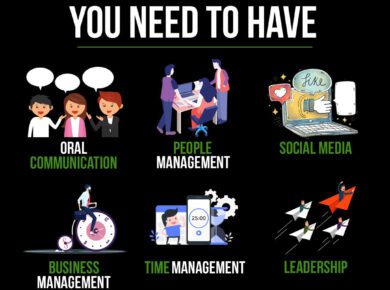
Skills and tools matter, but mindset is the variable that determines whether a person with average resources outperforms someone with exceptional ones. The entrepreneurs who build lasting wealth are not necessarily the most talented or the most connected — they are the ones who stayed in the game long enough to figure it out. That requires a specific set of mental habits that can be developed deliberately, starting before you ever register a business or build a website.
First is the willingness to tolerate uncertainty. Every business decision involves incomplete information. Waiting for certainty before acting is a form of procrastination dressed up as prudence. Successful founders learn to make good decisions with the information available, act, observe the results, and adjust. This iterative approach — sometimes called build-measure-learn — is the engine behind every major startup success story and applies equally to a solo freelancer figuring out their pricing.
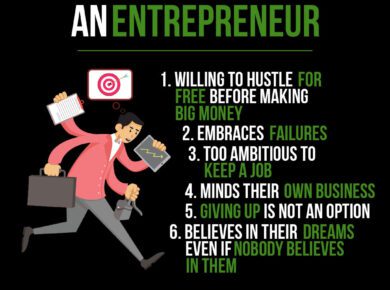
Resilience and consistency matter more than intensity. Most people who fail at entrepreneurship do not fail because they lacked a good idea — they quit before the business had time to gain traction. Building a profitable business almost always takes longer than expected. The founders who succeed are the ones who show up and execute even when motivation runs low, treat setbacks as data points rather than verdicts, and stay focused on the long game while managing the short term with discipline.
From Idea to Launch: Your First 90 Days
The gap between idea and action is where most would-be entrepreneurs get stuck. The antidote is a structured 90-day launch plan that breaks a large, intimidating goal into weekly milestones. In the first 30 days, focus entirely on validation: talk to at least 20 potential customers, identify a specific problem you can solve, and confirm that people will pay for the solution before you build anything. This step alone eliminates the most common startup failure mode — building something nobody wants.
In days 31 through 60, build your minimum viable product or service offering. This does not mean launching something mediocre — it means launching something focused. A single, clearly defined service package is easier to sell than a menu of ten options. A focused digital product solves one problem exceptionally well rather than trying to be a comprehensive resource. Ship a version that you are 80 percent proud of, then let real customer feedback drive the remaining improvements.
The final 30 days are about generating your first revenue and building the habits that will carry you forward. Land your first paying customer, even if the deal is smaller than you hoped. That first transaction confirms your business model, builds confidence, and generates momentum. Track your numbers from day one — revenue, expenses, time invested, and customer acquisition cost. The founders who stay financially successful are those who understand their numbers intimately and make decisions based on data rather than gut feeling alone.
Conclusion
Starting a business has never been more accessible, but accessibility does not mean easy. The digital age removes the old barriers — capital, geography, physical infrastructure — and replaces them with a new set of challenges: focus, discipline, and the ability to cut through noise and build something genuinely valuable. If you approach entrepreneurship with the right toolkit, a model matched to your strengths, a credible online presence, and the mental durability to keep going through the inevitable hard stretches, you give yourself an honest shot at the financial independence that entrepreneurship can provide. The resources and opportunities are there. The only question is whether you will put them to use.
Resources

 Ross Stretch