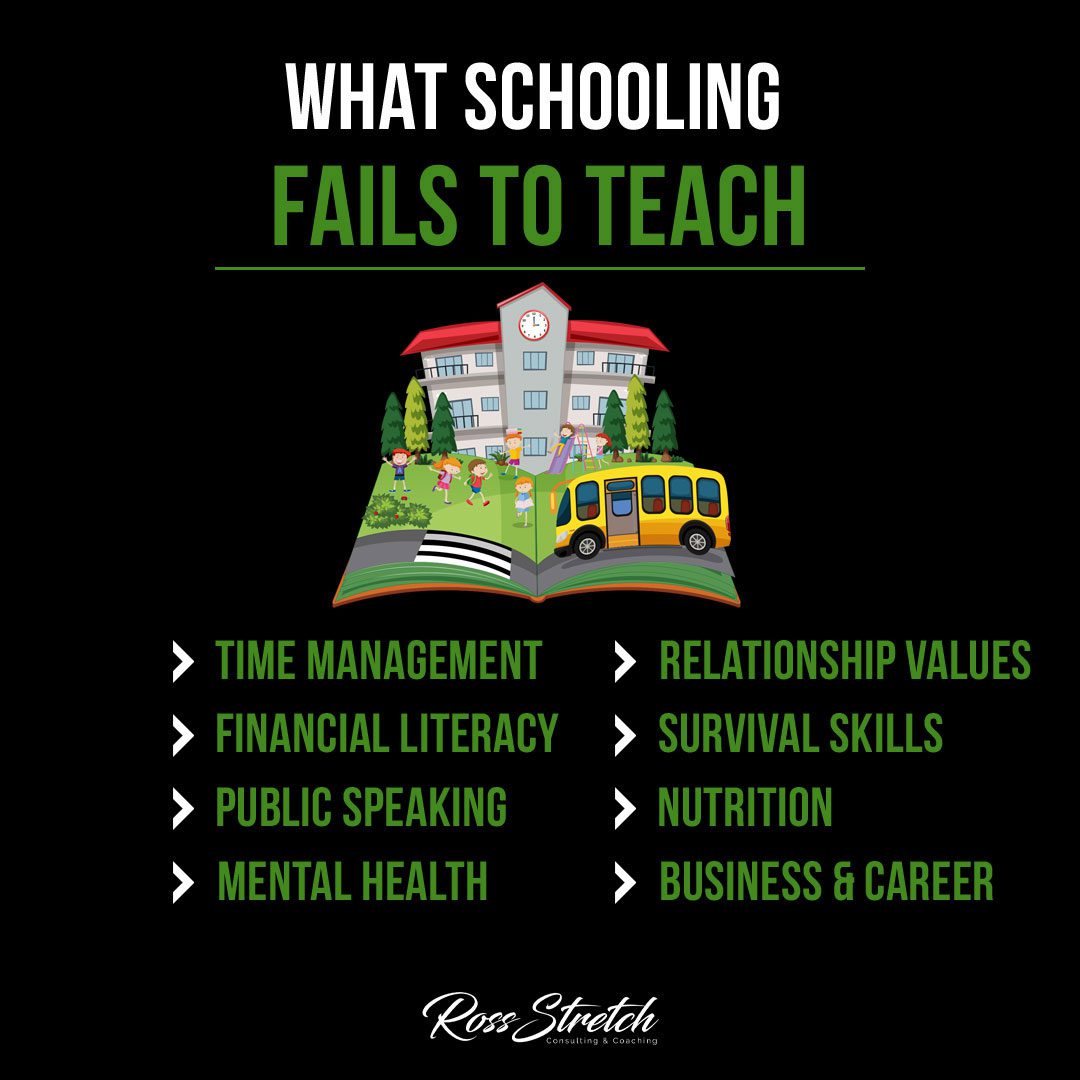
Traditional education does an admirable job of teaching algebra, literary analysis, and the dates of historical events. What it largely fails to do is prepare students for the practical demands of adult life. The skills that determine whether someone thrives financially, professionally, and personally — financial literacy, time management, mental resilience, effective communication — are treated as afterthoughts, if they are covered at all. For ambitious professionals, recognizing these gaps is the first step toward filling them.
Financial Literacy: The Subject That Could Change Everything
The average college graduate enters the workforce with a detailed understanding of mitosis and the French Revolution but little idea how compound interest works. Financial literacy — the ability to understand and apply concepts like budgeting, investing, credit, and tax planning — is rarely covered in depth in standard curricula, yet it directly shapes the quality of life for every adult.
Without this foundation, many people spend years making avoidable financial mistakes: carrying high-interest credit card debt, failing to contribute to retirement accounts early, or missing out on tax-advantaged savings vehicles like an HSA or RRSP. The cost of this ignorance compounds over time in the same way that interest does — except in the wrong direction.
The good news is that financial literacy is entirely self-teachable. Resources like the book The Wealthy Barber, personal finance communities on Reddit, and government financial literacy programs offer structured entry points. The goal is not to become an expert — it is to understand enough to make informed decisions and ask the right questions when professional advice is needed.
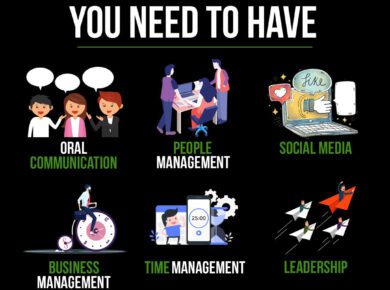
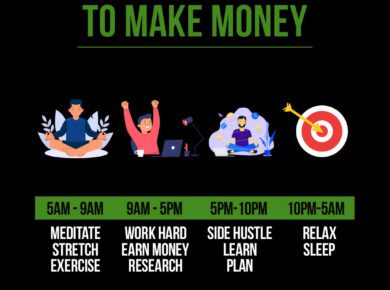
Time Management: The Skill That Multiplies Every Other Skill
Schools operate on rigid schedules that do the time management thinking for students. Every hour is accounted for by bells, timetables, and assignment deadlines imposed from outside. The result is that most graduates reach adulthood with almost no practice in self-directed prioritization — and then wonder why productivity feels so elusive once no one is managing their calendar for them.
Effective time management is not about working longer hours. It is about allocating focused attention to high-value tasks before spending time on low-value ones. Frameworks like the Eisenhower Matrix (urgent vs. important) or time-blocking — scheduling specific work in specific windows — provide structure that most people never encounter in a classroom.
Professionals who master this skill tend to outperform peers not because they are smarter, but because they consistently direct effort where it produces the most return. The compounding effect of even a modest improvement in daily prioritization is significant over a career. This is one skill worth investing deliberate time to develop.
Communication and Public Speaking: Confidence as Currency
The ability to communicate clearly — in writing, in conversation, and especially in front of groups — is one of the strongest predictors of career advancement. Yet most graduates spend twelve or more years in school without a single course dedicated to structured public speaking or persuasive communication. The closest many students get is an occasional in-class presentation graded more on content than delivery.
This gap has real consequences. Ideas that cannot be communicated effectively do not get funded, promoted, or implemented. The person who can present a proposal with clarity and confidence will almost always be chosen over a peer whose work is equally strong but whose delivery is hesitant. Communication is the mechanism through which all other skills become visible to the world.
Organizations like Toastmasters International offer structured, low-pressure environments for developing public speaking skills at any experience level. Online platforms including Coursera and LinkedIn Learning host courses on business writing, negotiation, and presentation skills. Unlike most school subjects, this is one where practice alone — regardless of formal instruction — produces rapid and measurable improvement.
Mental Health and Emotional Intelligence
Mental health receives almost no structured attention in traditional schooling, and yet psychological well-being underlies performance in every other area of life. Students learn to memorize, calculate, and analyze — but not how to manage stress, process setbacks, regulate difficult emotions, or recognize when professional help is warranted. The result is a generation that treats mental health as a crisis to be managed rather than a capacity to be developed.
Emotional intelligence — the ability to understand and manage one’s own emotions while accurately reading others — is equally undervalued. Research from psychologist Daniel Goleman has consistently shown that EQ is a stronger predictor of leadership effectiveness than IQ. Yet schools focus almost exclusively on cognitive ability, leaving students underprepared for the interpersonal complexity of real workplaces and relationships.
Building mental and emotional skills requires intentional practice. Mindfulness, journaling, therapy, and structured self-reflection are not soft extras — they are performance tools used by high-functioning professionals across every industry. Starting early matters. The habits and frameworks developed in one’s twenties tend to shape how well a person handles pressure for the rest of their career.
Career Strategy and Entrepreneurial Thinking
School prepares students to follow instructions well. It does not, in most cases, teach them how to identify opportunities, build networks, negotiate salary, or think like an owner. Career counseling tends to focus on resume formatting and interview tips rather than the deeper strategic questions: What problems do you want to solve? What does leverage look like in your field? How do you build a reputation that creates opportunities rather than waiting for them?
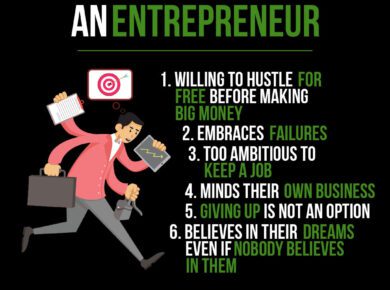
Entrepreneurial thinking — questioning assumptions, testing ideas, adapting quickly, and taking calculated risks — is valuable whether or not someone starts a business. It is the mindset that turns employees into leaders and contributors into builders. These instincts can be developed through mentorship, reading business biographies, studying real-world case studies, and deliberately putting oneself in situations that require resourcefulness.
For those who want a more structured path, programs offered by organizations like SCORE (for entrepreneurship) or platforms like MasterClass feature working professionals sharing real strategies that no classroom has ever taught. The goal is not to replace formal education but to supplement it with the practical intelligence that careers actually reward.
Conclusion
The gaps in traditional education are not going away soon. Curricula change slowly, and the skills that matter most in adult life — financial fluency, time mastery, communication, emotional resilience, and strategic career thinking — are still treated as peripheral at most institutions. The responsibility for filling these gaps falls to individuals who are willing to seek out what school never provided.
The professionals who pull ahead are rarely those who simply had better grades. They are the ones who recognized which skills were missing and went looking for them. The resources exist. The time spent building them is among the highest-return investments an ambitious person can make.
Resources
- Khan Academy Personal Finance — Free, structured lessons covering budgeting, credit, saving, and investing fundamentals.
- Toastmasters International — A global organization with local chapters focused on building public speaking and leadership skills.
- Coursera: Emotional Intelligence Courses — University-backed courses on EQ, communication, and interpersonal effectiveness.
- SCORE Mentorship for Entrepreneurs — Free mentorship and workshops for business thinking, career development, and entrepreneurship.

 Ross Stretch