
Being a student often means navigating tight budgets, competing priorities, and the constant pressure of rising costs. Tuition, rent, food, and transportation can quietly drain your account before the semester is halfway done. The good news is that saving money as a student does not require drastic sacrifices — it requires smarter decisions applied consistently. These six strategies are practical, proven, and designed to work within the reality of student life.
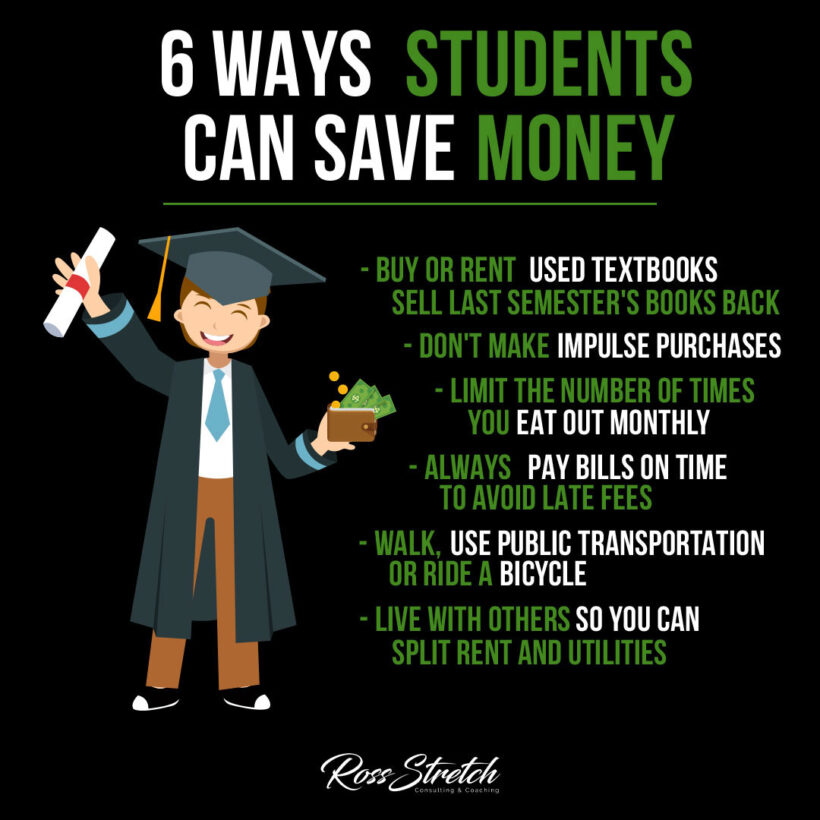
1. Buy or Rent Used Textbooks
Stop Paying Full Price for Books You Use for Four Months
Textbooks are one of the most significant and most avoidable expenses in a student’s budget. A single new textbook can cost $150 to $300, and most courses require several. Over an entire degree, students can spend thousands of dollars on books they use for a single term. The used and rental market exists specifically to solve this problem, and the savings are substantial — often 50 to 70 percent off the new-book price.
- Actionable Tip: Before each semester, check AbeBooks, Chegg, and your campus library for used copies or rentals. Compare prices across platforms before purchasing anything new.
- Why It Works: Used textbooks cost 40–70% less than new ones. Rentals reduce that cost even further. Selling your books at semester’s end recovers additional value and keeps the cycle going.
Pro Tip:
Check whether older editions of a textbook are available. Professors often assign the newest edition out of habit, but the content differences between editions are frequently minimal. Ask your professor directly whether an older edition will work — many will say yes, and older editions can cost a fraction of the current price.
2. Cook at Home and Meal Plan Weekly
One of the Fastest Ways to Lose Money Is Eating Out Too Often
Food is a necessity, but how you source it makes an enormous difference to your finances. Eating out three times a week can cost $200 or more per month. Grocery shopping and cooking the same meals at home may cost $60 to $80. Meal planning removes the daily decision of what to eat, which is often what leads students to grab takeout in a moment of hunger or fatigue. Batch-cooking a few staples on the weekend pays dividends all week.
- Actionable Tip: Pick one day a week to plan your meals, write a grocery list, and prepare staple items in bulk — rice, beans, roasted vegetables, boiled eggs. This cuts both food cost and mid-week decision fatigue.
- Why It Works: Batch cooking reduces waste, lowers your cost per meal, and makes it far less likely you will reach for expensive convenience food on a busy Tuesday night when you are exhausted after class.
Pro Tip:
If you live on campus with a meal plan, evaluate whether you are actually using all the meals you are paying for. Many students overpay for plans and then supplement with takeout anyway. Some schools allow you to downgrade your plan mid-year — check your school’s policy before the next term begins.
3. Use the 48-Hour Rule to Stop Impulse Purchases
Impulse Buying Is a Budget’s Worst Enemy
Student life is filled with temptation — flash sales, social events, app-based shopping that requires only a single tap. Impulse purchases feel small in the moment but accumulate quickly. A coffee upgrade here, a streaming add-on there, a pair of shoes you did not plan for — these can easily add up to hundreds of dollars over a semester that your budget did not account for. The solution is not willpower; it is a structured pause.
- Actionable Tip: Apply a 48-hour rule to any non-essential purchase over $20. Add it to a wishlist and return to it two days later. Most impulse desires fade quickly when you introduce a deliberate pause.
- Why It Works: The 48-hour window separates emotional desire from rational evaluation. It gives you time to check whether you can find the item cheaper elsewhere or decide you do not need it at all — and most of the time, you will decide the latter.
Pro Tip:
Set a fixed monthly discretionary spending cap — a specific dollar amount for non-essentials like entertainment, dining out, and clothing. Once it is gone, it is gone until next month. This approach preserves your freedom to spend on things you enjoy while creating a hard boundary that protects your savings without requiring constant willpower.
4. Automate Bill Payments to Eliminate Late Fees
Late Fees Are Pure Waste — You Get Nothing for That Money
Late fees on rent, credit cards, utilities, or subscriptions are among the most frustrating expenses because they are entirely preventable. A single missed credit card payment can trigger a $30 to $40 fee and potentially damage your credit score. Students juggling coursework, part-time jobs, and social commitments often miss payment deadlines simply because they forget — not because they lack the funds. The fix is automation, not discipline.
- Actionable Tip: Set up automatic payments for fixed recurring bills like rent, phone, and subscriptions. For variable bills, set a phone reminder three days before the due date so you have time to review the amount and ensure your account has sufficient funds.
- Why It Works: Automation removes the human error element entirely. When a payment happens without your active involvement, it cannot be forgotten — no matter how busy or stressed you are that week.
Pro Tip:
If you carry a student credit card, pay the full balance each month rather than the minimum. Minimum payments keep you in a cycle of compounding interest that accelerates quickly. If you cannot pay the full balance in a given month, that is a clear signal to reduce spending in that category immediately rather than letting the balance grow.
5. Use Public Transit, Walk, or Bike Instead of Owning a Car
A Car Is One of the Most Expensive Things a Student Can Own
The true cost of car ownership is higher than most students calculate. When you factor in insurance, fuel, parking, maintenance, and loan payments, the annual cost of owning a vehicle can easily exceed $8,000 to $10,000. For a student living near a campus, the return on that investment is rarely worth it. Most universities are deliberately designed to be walkable, and many are located near transit networks that students are already partially funding through their fees.
- Actionable Tip: Research whether your school offers a discounted or free transit pass as part of your student fees. Many universities have negotiated these deals with local transit authorities, and students simply are not aware of them.
- Why It Works: Switching from a car to transit and cycling can free up several hundred dollars each month that can be redirected toward tuition repayment, savings, or an emergency fund — a far more productive use of that money during your student years.
Pro Tip:
If you occasionally need a car, use a car-sharing service like Zipcar or Enterprise CarShare. Paying for a vehicle only when you genuinely need it is dramatically cheaper than carrying the fixed costs of ownership year-round, even if you only drive a few times per month. Calculate the actual hours you drive before assuming ownership is justified.
6. Share Living Expenses with Roommates
Shared Housing Is the Single Biggest Lever on Your Monthly Budget
Housing is typically the largest expense in any student’s budget, often representing 30 to 50 percent of total monthly spending. Living with one or two roommates can cut that cost in half or by two-thirds. Beyond rent, shared living also reduces the per-person cost of internet, electricity, and household supplies. The financial case for shared housing during your student years is straightforward, and the savings compound significantly across the full length of a degree program.
- Actionable Tip: When searching for housing, prioritize the number of bedrooms over location amenities. A slightly less convenient apartment with an extra bedroom for a roommate will almost always be the better financial decision — especially when you factor in transit options.
- Why It Works: Every dollar you save on housing is money that does not need to come from student loans, part-time work, or family support. Reducing your largest fixed cost has the highest compounding effect on your overall financial health across a four-year degree.
Pro Tip:
Before moving in with roommates, create a simple written agreement covering how rent, utilities, groceries, and household supplies will be split. Address cleaning responsibilities upfront as well. A brief conversation before you move in prevents the majority of conflicts that derail shared living arrangements — and protects friendships from financial friction.
Conclusion
The best student savings strategy is not one dramatic change — it is a series of small, consistent decisions compounding over four years. Cutting textbook costs, reducing food spending, automating bills, avoiding a car, and sharing housing are moves that collectively can save you tens of thousands of dollars over the course of a degree. Start with the two or three areas where your spending is currently highest, build habits around those, and expand from there.
Resources


 Ross Stretch