Your professional reputation is built in the everyday moments — the way you communicate in a tense meeting, how you handle a missed deadline, the image you project when no one is watching. Workplace professionalism is not about performance or politics; it’s about character translated into consistent, observable action. For ambitious professionals, mastering these six behaviors is the fastest path to earning trust, commanding respect, and building the career momentum that opens doors others can’t even see. Here’s exactly how to elevate your professional image starting today.
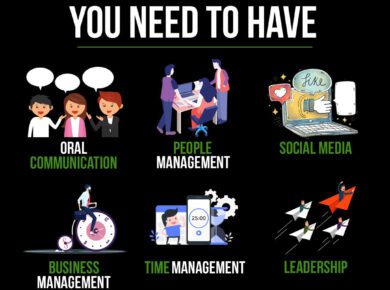
1. Master Effective Communication
The Skill That Amplifies Every Other Talent You Have
You can be the most capable person in your organization and still be overlooked if you can’t communicate your ideas clearly, concisely, and with confidence. Effective communication isn’t just about what you say — it’s about how you listen, how you write, and how you make others feel understood and respected. It is the single professional skill with the highest return on investment, regardless of industry or role level.
- Actionable Tip: Before every important email or meeting, write down the one thing you need the other person to understand, agree to, or act on. Structure your entire communication around that single outcome. For written communication, apply the “bottom line up front” (BLUF) principle — state your main point in the first sentence, then provide supporting context. Never make the reader work to find your point.
- Why It Works: People form impressions of your competence within the first few seconds of any interaction. Clear, structured communication signals that your thinking is organized — and organized thinking is consistently associated with trustworthiness and leadership potential. Active listening, specifically, increases the quality of information you receive, which leads to smarter decisions and stronger working relationships over time.
Pro Tip:
Record yourself in a practice presentation or mock meeting and watch it back without flinching. Most professionals are genuinely surprised by habits they didn’t know they had — filler words, downward vocal tone at the end of sentences, avoidance of eye contact, or rushed pacing under pressure. Identifying your specific communication weaknesses turns the vague goal of “communicate better” into a coachable, measurable set of concrete behaviors.
2. Maintain a Positive Attitude
The Invisible Competitive Advantage That Compounds Over Time
Attitude is contagious — research consistently shows that emotional states spread through teams the way viruses spread through populations. A chronically negative attitude doesn’t just affect your own performance; it actively degrades the people working around you. Conversely, genuine positivity and solution-focus make you the kind of colleague and leader people actively seek out, which directly accelerates the opportunities that find their way to your desk.
- Actionable Tip: Adopt the “plus one” rule: you cannot raise a problem at work without also offering at least one potential solution. This single habit shifts how you are perceived — from someone who identifies what’s wrong to someone who actively drives toward what’s better. Over time, this reputation becomes a significant career differentiator that managers and executives notice and reward with expanded responsibility.
- Why It Works: Positive psychology research by Barbara Fredrickson demonstrates that positive emotions “broaden and build” — they expand your thinking, increase creative problem-solving capacity, and accumulate psychological resources over time. Negativity triggers defensive, narrow thinking precisely when you need your cognitive range most. A positive orientation is not naivety; it is a precision cognitive strategy with measurable career returns.
Pro Tip:
Start each workday with a two-minute professional intention: identify one person you can genuinely help that day, and one task you will approach with full engagement rather than minimum effort. This brief ritual primes a positive orientation before the day’s friction has a chance to set your default mood to reactive. Small intentions, done consistently, reshape your professional identity.
3. Demonstrate Reliability and Accountability
Trust Is Built in Small Moments and Destroyed in One
In any professional environment, your reputation for reliability is your most valuable and hardest-to-replicate currency. People who consistently do what they say they will do, when they say they will do it, become the individuals organizations depend on — and the ones organizations promote, protect, and invest in. Reliability is not a personality trait you either have or don’t; it is a system of habits that anyone can build deliberately.
- Actionable Tip: Run a weekly “commitment audit” at the start of each Monday. List every commitment you’ve made — to colleagues, clients, managers, and yourself — and check off what has been completed. For anything at risk of slipping, communicate proactively before the deadline, not after. As a rule, under-promise on timelines by 20% and consistently deliver ahead of schedule.
- Why It Works: Trust researcher Charles Feltman defines trust as “choosing to risk making something you value vulnerable to another person’s actions.” When you reliably follow through, you reduce the perceived risk others feel when depending on you. Lower risk means more autonomy, bigger assignments, and greater organizational investment in your development — all the things that accelerate a career.
Pro Tip:
When something goes wrong and you are accountable, say so first, fast, and without excuses — then immediately pivot to what you are doing to fix it. This sequence of acknowledge, own, act builds more trust than if things had gone right in the first place, because it reveals your character under pressure. That is what decision-makers most want to know before trusting you with high-stakes work.
4. Dress Appropriately
Your Appearance Communicates Before You Speak a Word
Whether it seems fair or not, how you present yourself physically communicates information about your self-respect, attention to detail, and understanding of your professional environment. This doesn’t mean expensive clothing — it means intentional clothing. Professionals who dress deliberately signal that they take themselves seriously, and that signal has a measurable influence on how seriously others take them in return.
- Actionable Tip: Observe your workplace’s actual dress culture — not what’s written in the handbook, but what your most respected and promotable colleagues wear on their best days. Then dress one consistent level above that baseline. Build a streamlined professional wardrobe of 12 to 15 well-fitting, well-maintained items that mix and match without effort, eliminating the daily decision fatigue that erodes your morning energy.
- Why It Works: Psychological research on “enclothed cognition” shows that what you wear influences not just how others perceive you, but how you think and perform. People wearing more formal attire demonstrate enhanced abstract thinking and report greater confidence and authority. Dressing deliberately changes your internal experience of your own competence — and that internal shift is visible to everyone around you.
Pro Tip:
Pay close attention to the details most people overlook: freshly pressed clothing, clean and polished shoes, minimal visible wear on your items, and careful grooming. Decision-makers often register what’s wrong before they register what’s right. Eliminating the small negatives in your professional presentation is faster and more impactful than adding any positive, because it removes the subconscious friction between you and the people whose trust you need.
5. Develop Strong Time Management Skills
How You Spend Your Hours Is How You Spend Your Career
Time management is a professional multiplier — when you have it, every other skill you possess is deployed more effectively. When you don’t, even your strongest abilities get diluted by distraction, reactive fire-fighting, and poor prioritization. Professionals who manage their time with intention are not working more hours than their peers; they are working more deliberately, which is what produces the results that get noticed and rewarded.
- Actionable Tip: Use time-blocking to structure your workday. At the end of each workday, spend five minutes scheduling the following day into specific 60 to 90-minute blocks dedicated to your highest-priority tasks. Reserve the first 90 minutes of each morning — before checking email or Slack — for your most cognitively demanding work. Guard this block as you would guard a meeting with your most important client.
- Why It Works: Context-switching between tasks, messages, and meetings has been shown to reduce effective productivity by up to 40% and significantly increase error rates. Time-blocking eliminates the switching cost by creating protected zones of focused, uninterrupted work. Scheduling deep work in the morning leverages your natural cortisol and cognitive peak hours, producing more and better output in less actual time.
Pro Tip:
Conduct a time audit one week per quarter: track every 30 minutes of your workday and categorize honestly where your time actually went. Most professionals are confronted to discover that their real time allocation looks almost nothing like their intended priorities. The audit creates the self-awareness necessary to make structural changes rather than just trying harder at the same broken system.
6. Continuously Learn and Improve
The Professionals Who Never Stop Growing Never Stop Advancing
In a world where industries transform in years rather than decades, your current knowledge and skills have an increasingly short shelf life. The professionals who remain relevant, promotable, and genuinely valuable are those who treat learning not as an occasional event — a seminar here, a course there — but as a daily practice embedded into how they approach every week of their careers. Continuous improvement is the one competitive advantage that cannot be outsourced, automated, or replicated.
- Actionable Tip: Dedicate a minimum of 30 minutes per day to deliberate learning in your field — industry publications, online courses, expert podcasts, or primary research. Separately, identify one senior person in your organization or industry and schedule a quarterly 30-minute conversation focused specifically on where they see the field heading and which skills they believe will matter most in the next three to five years. This insight is available to very few people and invaluable to those who seek it.
- Why It Works: Deliberate practice — structured learning aimed at specific skill gaps, with active feedback — is the mechanism behind expert performance in virtually every professional domain, according to psychologist Anders Ericsson’s decades of research. People who actively seek feedback and stretch deliberately beyond their comfort zone improve at dramatically faster rates than those who rely on experience and tenure alone.
Pro Tip:
Teach what you learn. Offer to present a summary of a recent course or article at a team meeting, write a LinkedIn post about an insight that changed your thinking, or mentor a junior colleague through a challenge you’ve already navigated. Teaching forces a depth of understanding that passive consumption never creates, and it reveals the gaps in your own knowledge that still need work — which is where your next round of growth begins.
Conclusion
Professionalism is not a personality type — it is a daily practice that compounds over time. Every behavior in this article is learnable, buildable, and quietly transformative when applied consistently. Pick the one area where your current behavior falls furthest short, implement the actionable tip for 30 straight days, and watch how your professional reputation shifts. The career you want is built one deliberate action at a time.
Resources
- Harvard Business Review: How to Project Confidence
- Harvard Business Review: The Making of an Expert
- American Psychological Association: Building Resilience at Work
- Mind Tools: Time Management — How to Manage Your Time More Effectively

 Ross Stretch