
Selling products or services online is a powerful way to grow your business, but it can also be highly competitive. With countless online stores vying for attention, how do you stand out and convert browsers into buyers? The answer lies in understanding customer behaviour and using the right strategies to engage and persuade. Whether you’re launching a new product or scaling an existing brand, these seven essential tips will help you sell anything online successfully and drive sustainable revenue growth.
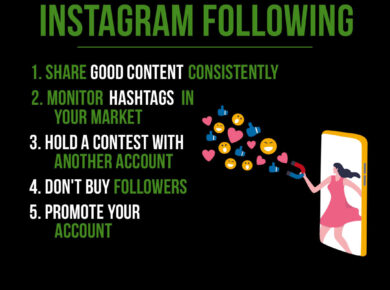
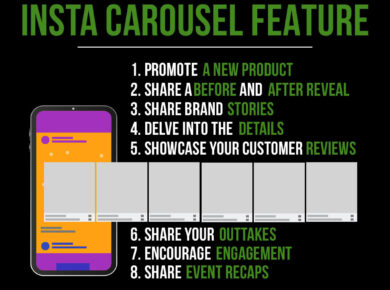
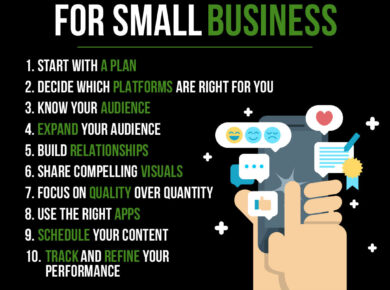
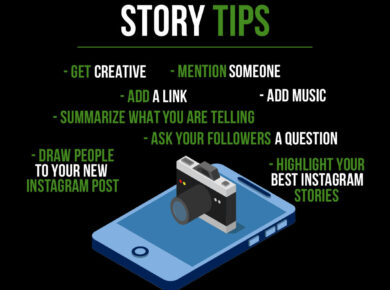
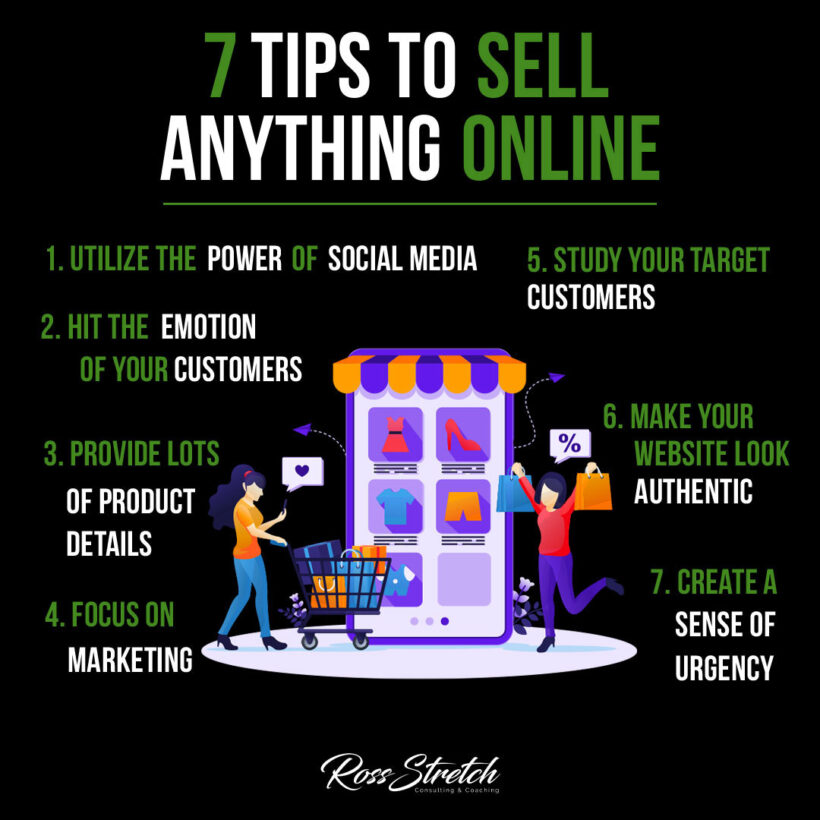
1. Utilize the Power of Social Media
Reach a Wider Audience with the Right Platforms
Social media platforms like Instagram, Facebook, TikTok, and Pinterest are goldmines for e-commerce businesses. They allow you to showcase your products, share customer testimonials, and engage directly with your audience. With over 5 billion social media users worldwide, the potential reach is staggering — and the cost of entry is lower than almost any other marketing channel.
- Actionable Tip: Share behind-the-scenes content, host live Q&A sessions, and collaborate with micro-influencers in your niche — those with 10,000–100,000 followers often deliver higher engagement rates than celebrity accounts.
- Why It Works: Social media builds familiarity and trust, which directly influences buying decisions. Studies show that 54% of social media users research products on social platforms before purchasing.
Pro Tip:
Paid ads on platforms like Facebook and Instagram allow you to target specific demographics — age, interests, location, and even recent purchase behavior — maximizing your ad spend. Start with a $5–$10/day test budget before scaling what works.
2. Hit the Emotion of Your Customers
Tap Into Emotional Triggers
People often make purchasing decisions based on emotions rather than logic. Whether it’s excitement, nostalgia, or fear of missing out (FOMO), appealing to customer emotions can boost conversions significantly. Harvard Business School professor Gerald Zaltman found that 95% of purchasing decisions are made subconsciously — meaning emotion drives the sale long before logic justifies it.
- Actionable Tip: Use emotionally charged language in your product descriptions, such as “limited edition,” “must-have,” or “handcrafted with love.” Focus on how the product will make the customer feel, not just what it does.
- Why It Works: Emotional messaging makes your products feel more valuable and personal, creating a connection that purely functional descriptions cannot achieve.
Pro Tip:
A clothing brand might describe a jacket as “the cozy embrace you need for chilly mornings” rather than just “a warm jacket.” That single shift in framing speaks to desire, comfort, and identity — the three pillars of emotional purchasing.
3. Provide Lots of Product Details
Eliminate Uncertainty for Customers
One of the biggest reasons customers hesitate to buy online is a lack of information. Unlike physical stores, online shoppers can’t touch, try, or examine a product before buying. By providing detailed product descriptions, high-quality images, and demo videos, you give potential buyers the confidence they need to complete a purchase — and significantly reduce post-purchase regret and costly returns.
- Actionable Tip: Include dimensions, materials, sizing charts, care instructions, and FAQs directly on your product pages. Add a “customers also ask” section using real support queries.
- Why It Works: Comprehensive product details reduce returns and increase buyer confidence. Shopify data shows that high-quality product images alone can increase conversion rates by up to 40%.
Pro Tip:
Invest in professional photography and 360-degree product views to provide a better virtual experience. Short demo videos (30–60 seconds) showing the product in use are among the highest-converting content formats in e-commerce.
4. Focus on Marketing
Consistency is Key
Even the best product won’t sell itself — it needs a strong, multi-channel marketing plan. Focus on creating consistent messaging across all touchpoints, from your website to email campaigns, social media posts, and paid ads. Brands that maintain consistent presentation across all platforms see an average revenue increase of 23%, according to Lucidpress research on brand consistency.
- Actionable Tip: Use email marketing to offer exclusive discounts, announce product launches, and send personalized recommendations. Tools like Klaviyo or Mailchimp make automated sequences straightforward to build and measure.
- Why It Works: A consistent marketing approach keeps your brand top of mind and nurtures customer loyalty through repeated, relevant touchpoints across the buyer’s journey.
Pro Tip:
Use retargeting ads to re-engage customers who visited your store but didn’t complete a purchase. Retargeting campaigns typically generate 10x higher click-through rates than standard display ads because you’re reaching people who already know your brand.
5. Study Your Target Customers
Know Your Audience Inside Out
The more deeply you understand your audience, the better you can tailor your marketing, product offerings, and messaging to speak directly to their needs. Guessing at customer preferences is expensive — data-driven decisions are far more efficient. The brands that win online treat customer research as an ongoing discipline, not a one-time exercise done at launch.
- Actionable Tip: Use surveys (Google Forms, Typeform), website analytics (Google Analytics 4), and social media polls to learn more about your customers’ needs, pain points, and preferences. Build customer personas based on real behavioral data, not assumptions.
- Why It Works: Knowing what your customers value allows you to personalize your messaging and improve product relevance, which drives both conversion rates and customer lifetime value simultaneously.
Pro Tip:
An online skincare store might learn through surveys that their audience prioritizes eco-friendly packaging. Highlighting sustainability in their marketing — even if the product itself hasn’t changed — can meaningfully lift conversion rates by aligning messaging with what buyers already care about.
6. Make Your Website Look Authentic
Build Trust Through Transparency
In the digital age, trust is the single most important factor in online purchasing decisions. Customers want to know they’re buying from a legitimate, credible source. A polished website with professional design, secure payment options, and clear return policies signals that you’re a real business. According to the Baymard Institute, 17% of cart abandonments happen specifically because customers don’t trust the site with their payment information.
- Actionable Tip: Display customer reviews prominently, add trust badges (SSL certificates, payment logos, satisfaction guarantees), and make your return policy easy to find. Real customer photos outperform stock images in virtually every A/B test.
- Why It Works: Transparency and social proof reduce purchase anxiety and build the confidence needed to complete a transaction with a brand the buyer is encountering for the first time.
Pro Tip:
Feature an “About” page with real team photos and your brand story. Customers buy from people they feel they know. A genuine, humanized brand presence can be a powerful differentiator in a market full of faceless storefronts.
7. Create a Sense of Urgency
Encourage Action Before the Moment Passes
Creating a sense of urgency prompts customers to act now rather than “think about it” — the most common reason purchases never happen. Limited-time offers, countdown timers, and low-stock alerts tap into powerful psychological drivers that shorten the decision-making cycle. When implemented authentically, urgency tactics can increase e-commerce conversion rates by over 300%.
- Actionable Tip: Add phrases like “Only 3 left in stock!” or “Sale ends in 24 hours!” to your product pages. Use countdown timers during flash sales and send abandoned cart emails with a time-sensitive incentive such as free shipping or a 10% discount.
- Why It Works: Urgency taps into the fear of missing out (FOMO), which motivates quicker purchase decisions and reduces the likelihood that the customer shops around before buying.
Pro Tip:
Keep urgency honest. Fake countdown timers that reset endlessly damage trust the moment a customer notices — and they will notice. Real scarcity, real deadlines, and real promotions build the authentic urgency that converts without eroding the credibility you’ve worked hard to build.
Conclusion: Selling Online Is a System, Not a Trick
The most successful online sellers don’t rely on a single tactic — they build a system. Social proof, emotional storytelling, detailed product information, and consistent marketing all work together to create an experience that earns trust and drives conversions. Each of the seven strategies above reinforces the others, creating a compounding effect on your revenue growth over time.
Start by auditing your current approach: which of these areas is weakest in your business right now? Pick one, implement it fully, measure the results, and move to the next. Sustainable online revenue growth is built one intentional improvement at a time — and the businesses that win long-term are those that treat optimization as a permanent discipline, not a one-time project.
Resources

 Ross Stretch