The emergence of social media marketing has fundamentally transformed how businesses reach customers, build brands, and generate revenue. With over five billion active users worldwide, social platforms sit at the intersection of culture, commerce, and communication in a way that no previous media channel has matched. Whether you are a solo entrepreneur building a personal brand or running an established company, understanding how to operate effectively in today’s social media landscape is no longer optional — it is a core business competency that separates growing businesses from stagnant ones.
The Scale of Social Media Today
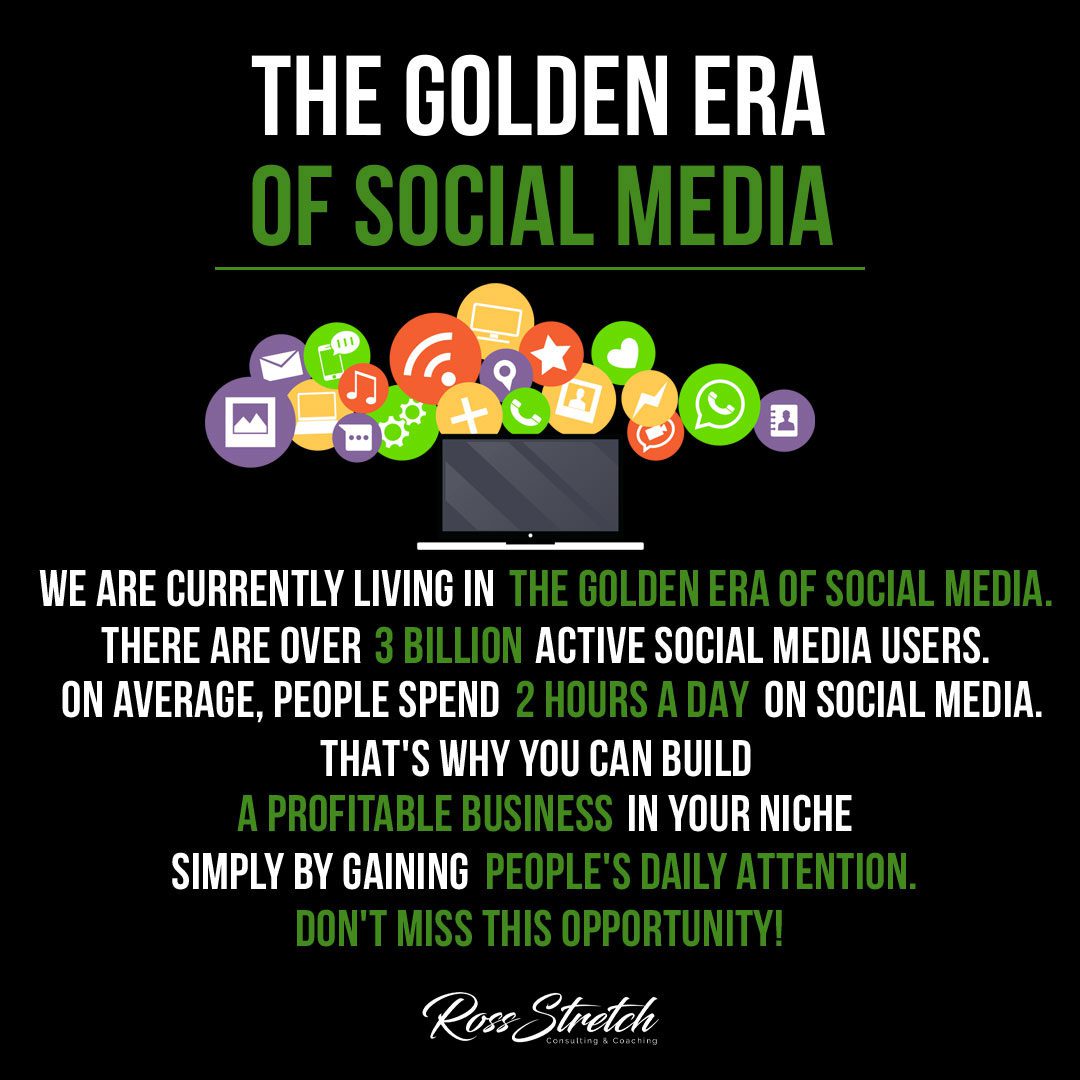
The numbers are staggering and they continue to grow. The average person now spends approximately two and a half hours per day across social platforms — Facebook, Instagram, TikTok, YouTube, LinkedIn, X, and Pinterest combined. That cumulative daily attention represents one of the most accessible marketing and engagement opportunities in business history, and most of it is available to brands willing to show up consistently with something worth seeing.
What makes this moment particularly significant is the maturity of the ecosystem. A decade ago, organic reach was generous and paid advertising on social was a novelty reserved for large brands. Today, the platforms have become sophisticated distribution machines, rewarding creators and brands who understand their algorithms and consistently deliver genuine value. For entrepreneurs and small business owners, this shift has democratized marketing. A focused strategy and compelling content can build an audience that rivals much larger competitors without requiring a massive advertising budget.
Understanding the Platform Landscape
Not all platforms are created equal, and spreading yourself thin across every channel is a reliable path to burnout and mediocre results. The key is identifying where your specific target audience actually spends their time and matching your content format to that platform’s strengths and culture.
Facebook remains dominant for older demographics and local community engagement, and its advertising platform remains among the most sophisticated available. Instagram excels at visual storytelling and influencer partnerships, particularly in lifestyle, fashion, food, and fitness niches. TikTok has rapidly become the engine of discovery for younger audiences, rewarding short-form video that is entertaining and authentic. LinkedIn is the go-to channel for B2B marketers, professional services, and thought leadership content. YouTube remains the gold standard for long-form educational content with exceptional long-tail search value and strong advertiser monetization.
Rather than attempting to master every platform simultaneously, choose one or two that align with your business goals and audience demographics. Build depth before breadth. Mastery of a single channel will outperform mediocrity across five channels every time.
Building a Profitable Social Media Strategy
Profit on social media does not happen by accident. It is the result of a clearly defined strategy that aligns content, audience, and monetization. The businesses that struggle on social media typically share a common mistake: they focus on vanity metrics — likes, follower counts, reach — rather than outcomes like leads, conversions, and revenue.
Start with a clear value proposition. What does your audience gain from following you? Education, entertainment, inspiration, exclusive access, community? Every piece of content you publish should deliver on that promise consistently. Niche targeting is especially powerful here. A focused audience of five thousand engaged followers in your specific market will outperform fifty thousand passive followers who have no real reason to buy from you.
Your content mix should blend several formats: educational posts that demonstrate expertise, behind-the-scenes content that humanizes your brand, promotional content that drives direct offers, and user-generated or community content that builds social proof. A common and effective rule is the 80/20 split — eighty percent value-driven content, twenty percent promotional. Push that ratio too far toward promotion and your audience disengages. Too far toward pure content and you leave money on the table.
Engagement, Community, and the Two-Way Conversation
Posting content is only half the equation. Community engagement is what transforms a passive audience into an active customer base. Brands that respond to comments, participate in conversations, and demonstrate genuine interest in their followers consistently outperform those that treat social media as a one-way broadcast channel.
This means carving out dedicated time each day to respond to comments and direct messages, engaging with content in your niche from other creators, and occasionally hosting live sessions, Q&As, or interactive polls. These touchpoints build the trust and familiarity that eventually convert a follower into a buyer. People buy from people they feel they know, and social media provides more tools for building that familiarity than any other channel.
Collaboration is another underutilized growth lever. Partnering with complementary brands or creators for joint content, platform takeovers, or co-promotions exposes your brand to new, warm audiences who already trust the person introducing you. One well-executed collaboration can drive more meaningful growth than months of solo posting.
Advertising, Analytics, and Measuring What Matters
Once you have established organic traction, paid social media advertising can dramatically accelerate your results. Platforms like Meta and TikTok offer advertising ecosystems that allow you to reach highly specific audiences based on demographics, interests, past behaviors, and even lookalike audiences modeled on your existing customer list. The sophistication of available targeting has made social advertising one of the highest-ROI paid channels available to small businesses.
The key to profitable advertising is starting small, testing systematically, and scaling what works. Run multiple ad variations with different headlines, images, and calls-to-action simultaneously. Let the data determine winners rather than personal preference, and resist the urge to scale a campaign before the data is statistically meaningful.
Analytics should guide every decision. Most platforms provide native dashboards showing reach, engagement, click-through rates, and conversion data. At minimum, track your engagement rate, follower growth rate, and click-through rate on promotional content. For paid campaigns, your cost per acquisition is the number that matters most — everything else is context. Review these numbers weekly and use them to refine both your content and your targeting continuously.
Staying Ahead in an Evolving Landscape
Social media is not static. Algorithm changes, new platform features, and shifting user behaviors mean that what drove results two years ago may be irrelevant today. Entrepreneurs who thrive long-term are those who treat social media as a discipline to study and adapt to, not a tactic to set and forget.
Stay current by following industry publications, monitoring platform announcements, and experimenting with emerging formats. The brands that adopted short-form video early on TikTok captured enormous organic reach before the platform became competitive. The same cycle will repeat with whatever format or platform emerges next. Early adoption of new features consistently rewards those willing to experiment.
Conclusion
Social media remains one of the most powerful and accessible tools available to entrepreneurs and small business owners. The barrier to entry is low, the potential reach is vast, and the feedback loop is immediate. But sustained success requires more than a presence — it requires strategy, consistency, and a genuine commitment to serving your audience before asking anything of them. Build that foundation and the revenue will follow.
Resources

 Ross Stretch