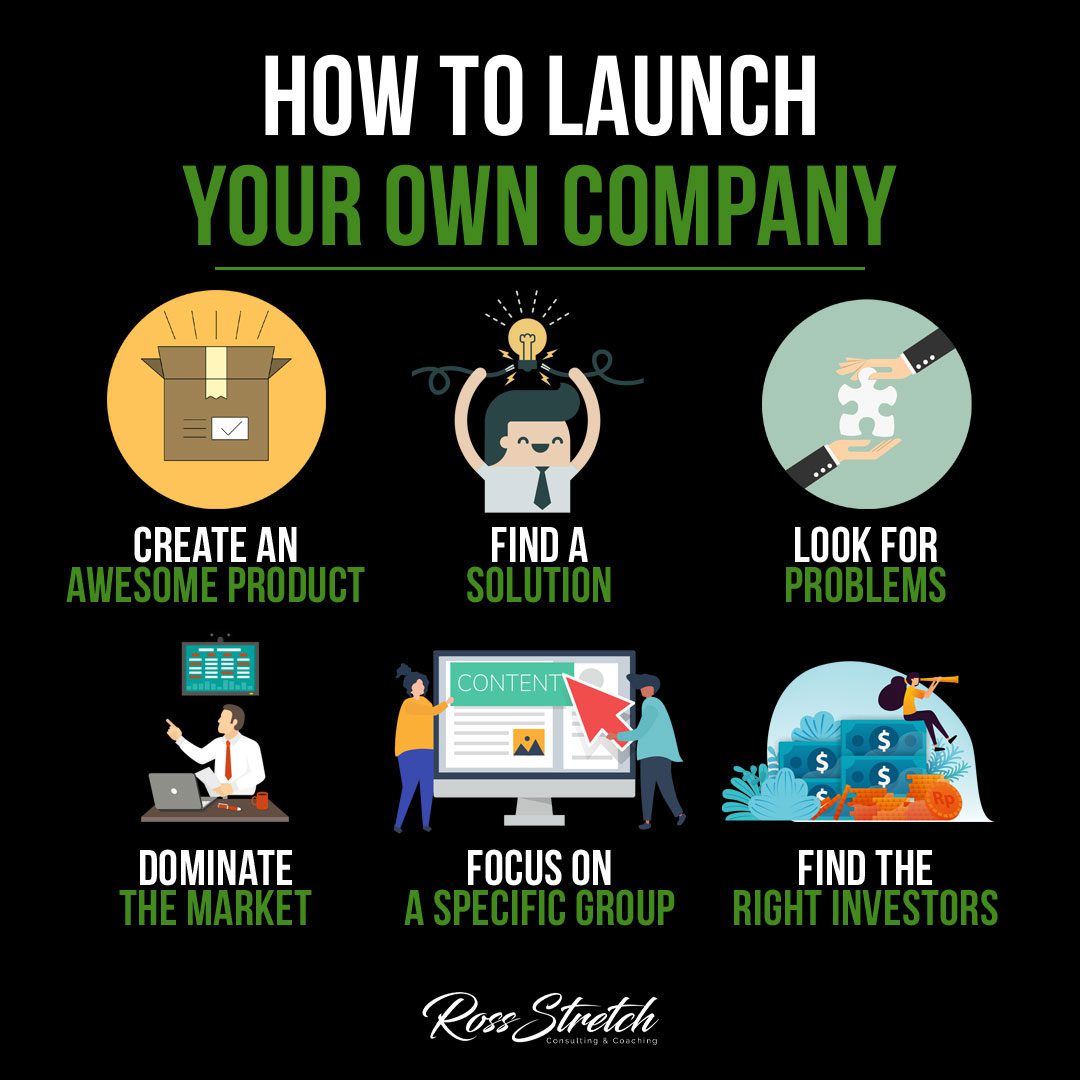

Launching a startup is one of the most rewarding — and demanding — pursuits in modern entrepreneurship. But ambition alone doesn’t build companies. Execution, market understanding, and disciplined strategy do. This guide breaks down six foundational steps that separate startups that thrive from those that stall, giving you a practical framework to move from idea to launch to sustained growth.
1. Creating a Remarkable Product: The Cornerstone of Business
Build Something Worth Talking About
Every successful company starts with one non-negotiable element: a product or service that genuinely delivers on its promise. Crafting a remarkable product requires deep empathy for your customer’s actual experience — not the assumptions you’ve made about it. Talk to potential users before you build anything. Understand their real pain points. The most common startup mistake is spending months building a product in isolation, then discovering the market doesn’t want it. Validate early, build lean, and iterate based on real feedback.
- Actionable Tip: Before spending money on production, create a minimum viable version of your concept — a landing page, a prototype, or a manual simulation — and put it in front of 20 real potential customers.
- Why It Works: Early validation protects you from the most expensive startup mistake: building something no one will buy. Real user feedback shapes a product far more accurately than internal assumptions.
Pro Tip:
Apply the “mom test” principle: don’t ask people if they like your idea — they’ll say yes to be polite. Ask about their actual behavior, their current workarounds, and how much those workarounds cost them in time and money. That data reveals whether a real market exists.
2. The Art of Problem Detection: Fostering Business Ideas
Find the Friction Before You Build the Fix
The strongest business ideas don’t emerge from brainstorming sessions — they come from careful observation. Before committing to a solution, spend serious time detecting the problems that genuinely frustrate people in your target market. Read customer reviews of competitor products, join communities where your target users gather, and pay attention to the workarounds people build when existing solutions fall short. A workaround always signals that a problem exists and current solutions are inadequate.
- Actionable Tip: Spend two weeks listening. Join Reddit communities and forums in your target industry. Document every repeated complaint and every creative workaround people describe. The most frequent complaints represent your strongest market opportunities.
- Why It Works: Problem-first thinking grounds your business in market reality rather than founder enthusiasm. Startups anchored in documented frustrations face far less friction attracting early customers and investors.
Pro Tip:
The best problems to solve are both painful and frequent. A problem occurring once a year might be severe, but a daily problem creates a large, recurring market. Score opportunities on both dimensions before committing your resources to any one direction.
3. Crafting the Ideal Solution: Meeting and Exceeding Market Needs
From Problem Definition to Product-Market Fit
Once you’ve defined the problem, the work of crafting your solution begins — and this phase demands discipline. The temptation is to build a comprehensive solution that addresses every edge case. Resist it. Start with the smallest version of your solution that addresses the core problem, then test it with real users. Show people rough versions early, collect specific feedback, and be willing to adjust your approach. The goal at this stage isn’t perfection — it’s fit.
- Actionable Tip: Run at least three rounds of user testing before declaring your solution ready. In each round, ask users to complete a specific task without guidance, then observe where they get confused or stuck. Fix those points before moving forward.
- Why It Works: Iteration driven by real user data produces products that work for the people who need them, reducing post-launch churn and increasing organic word-of-mouth — the most cost-efficient acquisition channel available to early-stage startups.
Pro Tip:
Product-market fit has a recognizable feeling: demand exceeds your ability to supply. If you’re working hard to acquire every customer and struggling to retain them, fit hasn’t arrived yet. Keep testing and adjusting. Resist the urge to scale before the product is truly resonating.
4. Market Mastery: Solidifying Your Business Presence
Understanding the Landscape Before You Compete in It
Launching a product is one thing. Building a sustainable market presence is another. Mastering your market requires a clear understanding of who your competitors are, how customers make purchasing decisions, and what drives loyalty in your category. Study competitor customer reviews as carefully as your own. Identify the gaps in their offerings and the complaints that appear most repeatedly — these are the spaces where your differentiated value proposition can take root.
- Actionable Tip: Create a competitive matrix mapping at least five competitors against ten criteria important to your target customer. Use it to identify where your solution leads, then build your core marketing message around those specific strengths.
- Why It Works: Positioning clarity makes marketing dramatically more efficient. When you know exactly how you’re different and who cares most about that difference, every dollar spent on customer acquisition goes further.
Pro Tip:
Startups rarely win by being ten percent better at everything. They win by being dramatically better at the one or two things their target customer cares most about. Identify that dimension of advantage and own it completely before expanding your competitive surface.
5. Precision Targeting: The Power of Niche Marketing
Serve a Specific Group First, Then Expand
The instinct to appeal to everyone is one of the most costly startup mistakes. Broad targeting dilutes your message and wastes budget. The counterintuitive path to growth is to narrow your focus first. Choose a specific demographic, use case, or geography and dominate it. When you’re the go-to solution for a well-defined audience, word-of-mouth accelerates, referral rates climb, and customer acquisition cost drops. Once you’ve captured a niche, you have proof and case studies that make expanding to adjacent markets far easier.
- Actionable Tip: Write a one-paragraph description of your ideal customer including their demographics, their specific frustration, and what would make them switch to your solution. Filter every marketing decision through this profile.
- Why It Works: Messages that speak directly to a customer’s specific situation convert at dramatically higher rates than generic claims about being the “best” or “most affordable” option in the category.
Pro Tip:
Run small, tightly targeted paid experiments before committing to larger campaigns. A focused $200 test to a very specific audience will tell you more about your market than a broad $2,000 campaign that reaches everyone without speaking clearly to anyone.
6. Sourcing the Perfect Investors: Accelerating Business Growth
Finding Capital That Comes With More Than Money
Raising capital is not just about securing operating funds — it’s about choosing partners who will shape your company’s trajectory. The right investors bring industry connections, strategic guidance, and the credibility that opens doors to future funding rounds and enterprise customers. The wrong investors impose misaligned growth pressure and create board dynamics that distract from execution. Before approaching any investor, research their portfolio companies, speak with founders they’ve backed, and clarify what support beyond capital you actually need at this stage.
- Actionable Tip: Before seeking outside investment, explore whether you can reach initial revenue through bootstrapping, customer pre-orders, or small business grants. Investors respond more favorably to founders with demonstrated traction, and you’ll negotiate from a stronger position when you’re not operating from financial desperation.
- Why It Works: Traction — even modest revenue or a growing waitlist — fundamentally changes the investor conversation. It proves market demand and shifts negotiating leverage toward the founder.
Pro Tip:
Look beyond traditional venture capital. Angel investors, revenue-based financing, and accelerators like Y Combinator, Techstars, and Entrepreneur First all offer capital with different structures and expectations. Match your funding source to your business model and growth timeline — mismatched capital structures create pressure that destroys companies with genuinely good products.
From Idea to Impact
The entrepreneurs who succeed follow a consistent pattern: they identify real problems, build solutions grounded in user feedback, understand their market deeply, target precisely, and partner with people who accelerate rather than hinder progress. Each of these six steps builds on the last. Skip one and the gaps compound. Execute them with discipline and the path from idea to impact becomes navigable — even in highly competitive markets where established players hold every structural advantage.
Resources
- The Lean Startup by Eric Ries — The definitive guide to building startups through validated learning and rapid iteration.
- The Mom Test by Rob Fitzpatrick — A practical guide to customer conversations that actually reveal the truth about your market.
- Y Combinator Startup Library — Free resources from YC partners covering every stage of building a company.
- Paul Graham’s Essays — Timeless essays on startups, ideas, and founder mindset from one of Silicon Valley’s most respected voices.


 Ross Stretch