Wealth at the highest levels is rarely accidental. The world’s most successful billionaires share a common thread: deliberate daily habits built and maintained over years, sometimes decades. While talent and timing play a role, the daily discipline of decision-making, rest, strategic thinking, and consistent execution is what separates those who achieve extraordinary outcomes from those who merely dream about them. Here’s a look at the mental frameworks and behaviors most consistently attributed to ultra-high achievers — and what you can implement starting today.
The Marathon Mindset: Why Wealth Takes Time
One of the most pervasive myths about billionaires is that they had a single breakthrough moment — the right idea at the right time — and then they were set. The reality is almost always a decade or more of consistent effort before any major external success became visible. Jeff Bezos founded Amazon in 1994. It didn’t turn a profit until 2001. Elon Musk nearly went personally bankrupt in 2008 when both Tesla and SpaceX were on the verge of collapse. These aren’t stories of overnight success — they’re stories of sustained commitment through prolonged difficulty.
Understanding this reframes how you think about your own progress. If you’re two or three years into building something and feeling impatient, you’re likely still in the early innings. The marathon mindset means optimizing for the long game: making decisions that are right for a ten-year horizon, not a ten-week one. It means protecting your energy, maintaining your health, and building habits designed for decades rather than sprints.
The Rule of Three: Decisive Daily Decision-Making
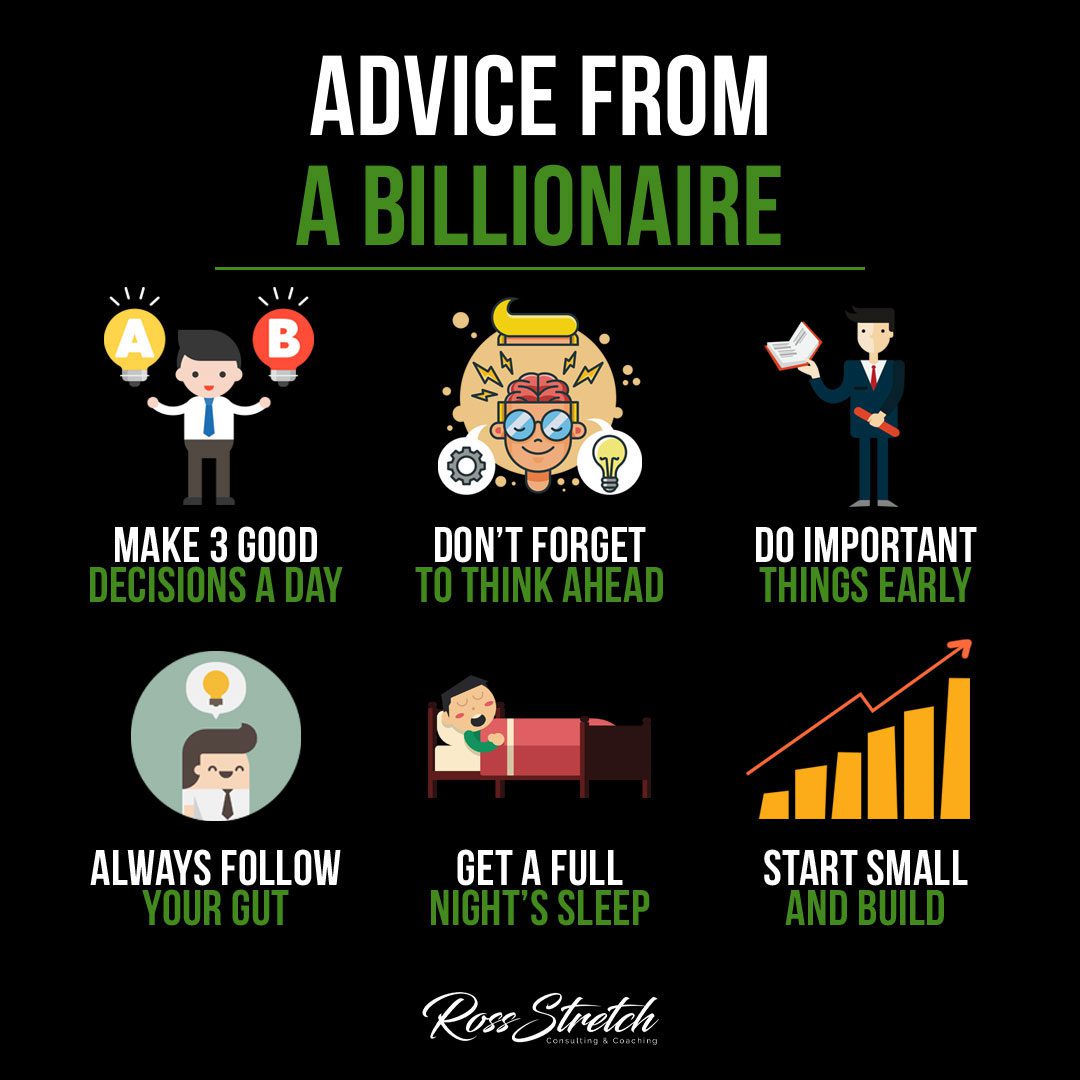
Decision fatigue is a documented psychological phenomenon: the more decisions you make, the lower the quality of subsequent decisions becomes. High achievers deal with this not by making fewer decisions total, but by being ruthlessly selective about which decisions deserve their highest-quality attention. The idea of making three great decisions a day — rather than dozens of scattered ones — reflects this approach.
Barack Obama famously wore the same suit styles to eliminate trivial decisions. Mark Zuckerberg does the same with his wardrobe. These aren’t quirks — they’re deliberate systems for preserving cognitive bandwidth for what actually matters. Apply this to your own life: identify the two or three decisions each day that will have the most significant impact on your goals, and give those your sharpest thinking. Automate or delegate everything else you reasonably can. The goal is to arrive at your most important decisions with full mental capacity, not depleted reserves.
Strategic Foresight: Planning Multiple Moves Ahead
Chess grandmasters don’t win by reacting — they win by anticipating. The same is true in business and investing. Billionaires consistently describe their approach as thinking several steps ahead: not just “What do I need to do today?” but “What decision today creates the best optionality five years from now?” This long-range thinking separates strategic operators from reactive ones.
Ray Dalio’s approach at Bridgewater — building systems and principles that would work regardless of who was running the company — is a masterclass in strategic foresight. He was designing for decades, not quarters. You can apply this framework at any scale. When making financial decisions, ask: “Does this create more options or fewer?” When evaluating career moves, ask: “Does this expand my capabilities and network, or does it narrow them?” Asking the right questions is the beginning of thinking like someone who builds something that lasts.
Morning Architecture and Early Wins
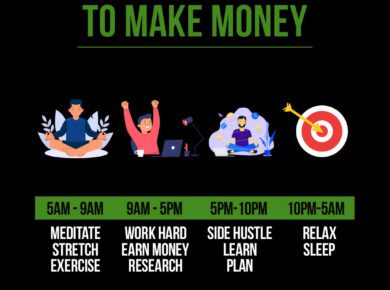
The evidence is overwhelming that how you structure your morning shapes the trajectory of your entire day. Nearly every high-performing executive or entrepreneur who has described their routine features a deliberate morning structure: early rising, some form of exercise or reflection, and tackling the most cognitively demanding work before distractions accumulate. Tim Cook is in the gym by 5am. Richard Branson wakes at 5:45 and exercises before anything else. The specifics differ; the intentionality is universal.
The key insight is that willpower and cognitive capacity peak in the morning for most people, before decision fatigue sets in and before the day’s interruptions erode focus. If you’re spending your best mental hours on email and low-stakes meetings, you’re allocating your highest-value resource to low-value tasks. Move your most important creative and strategic work to your morning, and protect that time as non-negotiable. Even 90 minutes of focused, distraction-free morning work can produce more meaningful progress than an entire reactive afternoon.
Instinct, Data, and Knowing When to Trust Each
The best decision-makers are neither pure data analysts nor pure gut-feelers — they’re integrators. Elon Musk has spoken about reasoning from first principles: stripping a problem down to its fundamental truths and building back up from there, rather than reasoning by analogy from what others have done. This is a form of deep intuition informed by rigorous analysis. Warren Buffett similarly describes his investment process as a combination of quantitative research and a felt sense of whether a business has durable competitive advantages.
In practice, this means doing the research — studying the numbers, the market, the competition — and then checking your gut. If the data says yes but something feels deeply wrong, that feeling is often your brain pattern-matching against information processed below conscious awareness. Don’t dismiss it. Conversely, don’t let confidence override obvious data signals. The skill is integration: using analysis to sharpen intuition, and intuition to flag what analysis might miss.
Rest, Recovery, and the Power of Starting Small
Elite performance requires elite recovery. Jeff Bezos has spoken publicly about the importance of getting eight hours of sleep, noting that sleep-deprived decisions are expensive decisions. Arianna Huffington wrote an entire book on sleep after collapsing from exhaustion at the height of her success. The hustle culture that glorifies five-hour nights and 80-hour weeks is not modeling billionaire behavior — it’s modeling unsustainable behavior that leads to burnout and poor judgment. Quality sleep is a performance input, not a reward for being productive enough.
Finally, one of the most underrated lessons from ultra-successful entrepreneurs is the power of starting small. Almost every major business began as a small experiment: Amazon started as an online bookstore. Apple started in a garage. Berkshire Hathaway was a struggling textile company. Starting small reduces the cost of failure, allows for rapid learning, and lets you build confidence and systems before the stakes get high. If you’re waiting for perfect conditions or a perfect idea to get started, you’re waiting for something that doesn’t exist. Start small, learn fast, and raise the standard as you grow.
Conclusion: The Daily Architecture of Extraordinary Results
Billionaire habits aren’t magic — they’re patterns. Decisive decision-making, strategic foresight, protected mornings, quality sleep, and incremental starts are all learnable, implementable practices available to anyone willing to apply them consistently. You don’t need a billion dollars to start operating like someone building toward one. Choose one habit from this list and implement it this week. Then add another. The compounding of small, deliberate improvements over time is the closest thing to a guaranteed path to exceptional results that exists.
Resources
- Principles: Life and Work by Ray Dalio — The framework behind one of the world’s most successful hedge funds
- The Sleep Revolution by Arianna Huffington — The science and business case for prioritizing rest
- Tools of Titans by Tim Ferriss — Habits, routines, and tactics from 200+ world-class performers
- CNBC: Billionaire Morning Routines — How top CEOs structure their most productive hours

 Ross Stretch