Podcasting has evolved from a niche hobby into a multi-billion dollar media industry. There are now over three million active podcasts, but the market is far from saturated for creators who approach it strategically. Whether you want to build a community, establish authority in your field, or generate meaningful income, podcasting offers a uniquely accessible entry point. The barrier to entry is low. The upside, for those who execute consistently, is significant — and the business model can work whether you treat it as a side project or a primary revenue stream.
Identifying Your Niche and Unique Angle
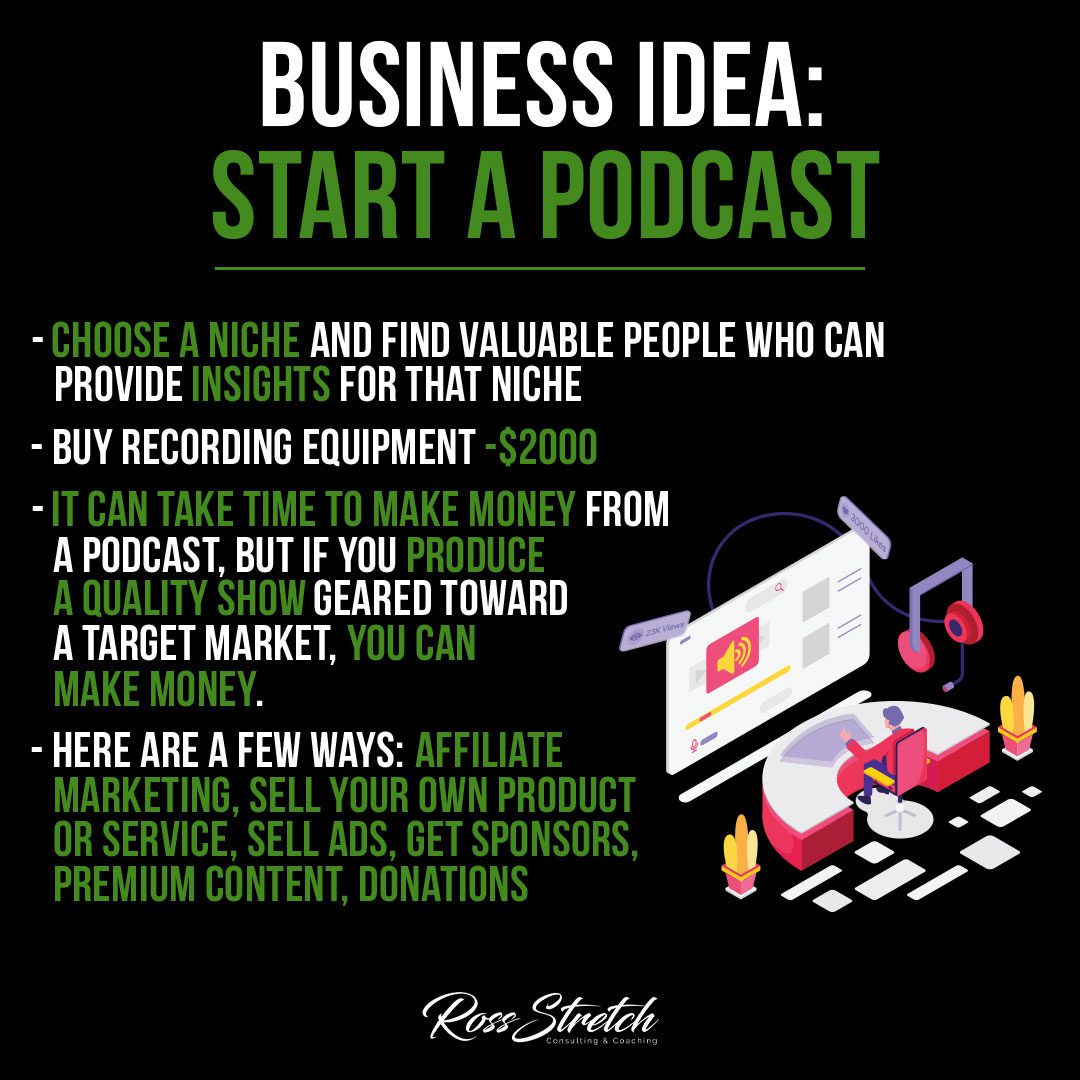
The biggest mistake new podcasters make is choosing a topic that is too broad. A podcast about “business” competes with thousands of established shows backed by production teams and years of audience-building. A podcast about “bootstrapping a service business to $500K revenue as a solo operator” speaks directly to a specific, passionate, and underserved audience. The narrower your focus, the easier it is to attract loyal listeners and position yourself as the go-to voice in that space.
Choosing your niche requires honest self-assessment. What do you know deeply? What problems can you help solve? Where does your expertise overlap with genuine audience demand? Research platforms like Apple Podcasts, Spotify, and Listen Notes to identify gaps — topics with clear search interest but limited high-quality shows. Your sweet spot is the intersection of your knowledge, your passion for talking about it consistently, and an underserved audience actively looking for answers.
Equipment and Hosting: What You Actually Need
You do not need a professional recording studio to launch a podcast. Audio quality matters, but clarity is the real standard — not perfection. A solid starter setup includes a USB condenser microphone such as the Audio-Technica ATR2100x or the Samson Q2U (both around $70 to $100), a pair of closed-back headphones, and basic acoustic treatment for your recording space. Soft furnishings, blankets on the walls, and recording in a closet full of clothes all reduce room echo effectively and cost nothing.
For hosting, you need a platform that stores your audio files and distributes your feed to Apple Podcasts, Spotify, and other directories automatically. Services like Buzzsprout, Podbean, and Spotify for Podcasters (formerly Anchor) offer free or low-cost plans suitable for getting started. As your show grows, upgrading to a paid hosting tier with detailed analytics gives you the listener data you need to understand your audience, identify your best-performing content, and attract sponsors with confidence.
Creating Content That Builds a Loyal Audience
Great podcast content is defined by the value it delivers per minute of listening time. Every episode should solve a specific problem, teach a concrete skill, or provide insight your audience cannot easily find elsewhere. Avoid the trap of vague, wandering conversations that meander without a clear destination. Structure each episode with an opening hook that signals exactly what the listener will gain, a well-organized body, and a memorable close that reinforces the core takeaway.
Authenticity is your most powerful differentiator in a crowded market. Listeners follow people, not just topics. Your perspective, your stories, and your willingness to share honest insights — including failures and mistakes — is what builds the trust that converts casual listeners into loyal fans. Interview episodes with credible guests can accelerate audience growth by exposing you to their existing followings, but solo episodes that showcase your own expertise are equally powerful for establishing your authority and voice.
Growing Your Listener Base
Growth does not happen passively. The most effective podcast growth strategy combines SEO-optimized episode titles and show notes, consistent social media promotion, and strategic cross-promotion with podcasters in adjacent niches. Guest appearances on other shows expose you to established audiences who are already interested in your topic area. One well-placed guest spot on a show with a relevant audience can deliver more new listeners than weeks of social media posting on your own channels.
Email list building deserves special attention from the very beginning. Unlike social media followers, your email subscribers are an audience you own directly — not one that an algorithm controls. Offer a lead magnet relevant to your podcast topic, such as a free guide, checklist, or resource list, and capture email addresses from your website and episode show notes. This list becomes your most valuable marketing asset for promoting new episodes, launching products, and maintaining direct communication with your most engaged fans regardless of platform changes.
Monetization Strategies That Actually Work
Sponsorships and advertising are the most visible podcasting revenue model, but they typically require a listener base of at least 1,000 downloads per episode to attract meaningful sponsors. Rates generally range from $18 to $50 per thousand downloads depending on your niche and audience demographics. Finance, business, and entrepreneurship audiences command premium rates because they have high purchasing power and make buying decisions based on trusted recommendations.
Affiliate marketing can generate revenue from the very beginning, regardless of audience size. Recommend tools, books, software, or services your audience genuinely needs, and earn commissions on sales generated through your unique links. Selling your own products or services — consulting, courses, coaching, memberships — typically generates the highest per-listener revenue and does not require a massive audience to be profitable. A podcast with 500 engaged listeners and a well-priced offer can outperform a show with 10,000 passive listeners and no coherent conversion strategy.
Consistency: The Factor That Separates Survivors from Quitters
Podcasting rewards patience and consistency more than almost any other content format. The shows that succeed are not always the ones with the best audio quality or the most famous guests — they are the ones that publish reliably, improve incrementally, and stay the course through the discouraging early months when downloads feel small. Commit to a realistic publishing schedule — whether weekly, biweekly, or monthly — and honor it with the same discipline you would bring to any other professional commitment.
Conclusion
Starting a podcast is genuinely accessible, but building one that matters requires strategic thinking from day one. Choose a specific niche, invest in quality audio, create content that delivers real value, and develop a monetization plan that aligns with your audience’s interests and needs. Treat it as a business from the start — even if it begins as a hobby — and the compounding benefits of consistent effort will build something worth having. The best time to start is before you feel completely ready.
Resources

 Ross Stretch