The promise of dropshipping is real — you can build a profitable e-commerce business without holding inventory, renting warehouse space, or managing complex logistics. But the model’s low barriers to entry mean competition is fierce, and the entrepreneurs who succeed are those who resist the temptation to sell everything to everyone. The key to a sustainable dropshipping business is a sharply defined niche: a specific audience with a specific problem, served by a curated product selection that a competitor is underserving. This guide explores the most promising dropshipping niches and how to approach each one strategically.
Why Niche Selection Is Everything in Dropshipping
Most failed dropshipping businesses share a common mistake: they tried to compete with Amazon on Amazon’s terms — broad, undifferentiated product selections, no brand identity, and no specific customer in mind. The businesses that survive and scale are those built around a specific person with a specific need, and a brand that speaks directly to them.
A tight niche allows you to write better ad copy, build a more loyal audience, and compete on relevance rather than price. You don’t need to be the cheapest option — you need to be the most relevant one. When a dedicated cyclist lands on a store built specifically for cyclists, with products curated for their needs and content that speaks their language, they’re far more likely to buy than if they land on a generic sporting goods page. Niching down isn’t a limitation — it’s the source of your competitive advantage.
Sustainable and Reusable Products
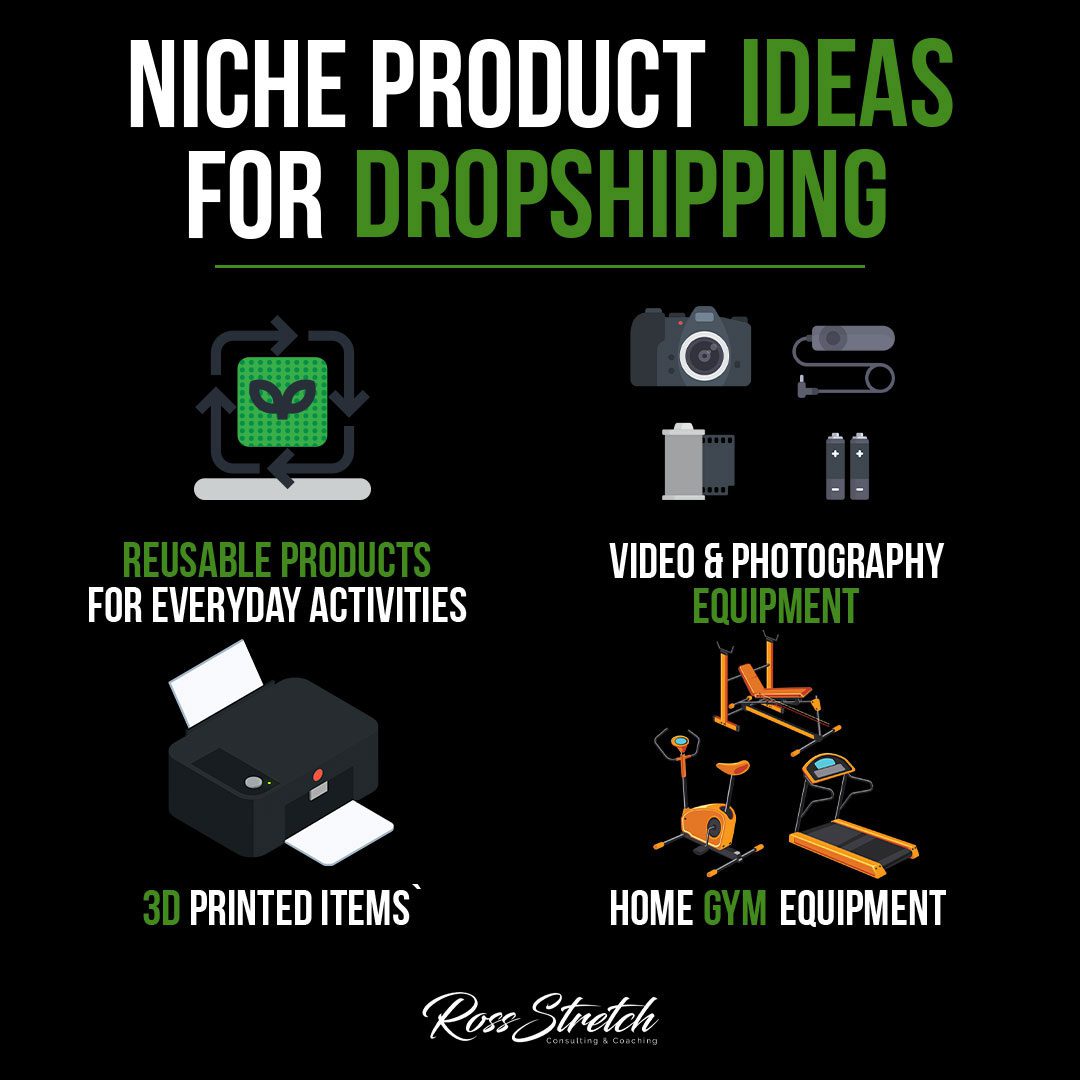
Environmental consciousness has moved from fringe to mainstream consumer behavior. A NielsenIQ report found that 78% of consumers say a sustainable lifestyle is important to them — and many are willing to pay a premium for products that align with those values. This creates a strong market for eco-friendly alternatives: reusable water bottles, beeswax food wraps, bamboo kitchen products, zero-waste personal care items, and stainless steel alternatives to single-use plastics.
What makes this niche durable is the repeat purchase behavior and the brand loyalty it generates. Eco-conscious consumers tend to consolidate their purchases around brands that share their values. If you can position your store as a trusted source for sustainable living products, you build a customer relationship that extends well beyond a single transaction. Focus on sourcing products with verifiable eco-credentials, and make sustainability the core of your brand story — not just a marketing tag line. Authenticity in this niche is non-negotiable; consumers who care about the environment will do their research.
Content Creator Equipment and Accessories
The creator economy is now valued at over $250 billion globally, and it continues to grow as YouTube, TikTok, Instagram, and podcast platforms attract new participants every day. The aspiring creator market — people who want to start a channel or podcast but haven’t yet invested in professional gear — represents a massive opportunity for dropshippers who can curate the right product mix at approachable price points.
Think ring lights, smartphone tripods, condenser microphones, green screens, webcams, and desk-mounted boom arms. The key is targeting specific creator types — the at-home podcaster, the beauty vlogger, the gaming streamer — rather than positioning your store as a general electronics shop. Build content around the problem you’re solving: “How to set up a home studio for under $300” drives organic traffic that converts because the visitor already knows exactly what they want. This niche pairs especially well with YouTube and TikTok content strategies, where demonstration videos double as marketing.
Home Fitness and Wellness Equipment
The shift to home workouts that accelerated in recent years has become a permanent behavioral change for a significant portion of the population. The home fitness market continues to grow, driven by consumers who want flexible, cost-effective ways to stay active without commuting to a gym. The most in-demand products are compact and versatile: resistance bands, adjustable dumbbells, pull-up bars, yoga mats, foam rollers, and balance boards designed for small living spaces.
Wellness products — massage guns, posture correctors, sleep aids, and blue-light glasses — also sit naturally alongside fitness equipment and offer strong margins. The key is understanding the specific sub-segment you’re targeting. Home fitness for beginners is a very different customer from the serious athlete who has outgrown commercial gyms. Niching down further — “home gym for apartment dwellers” or “fitness tools for office workers with back pain” — creates a far more targetable audience and a brand that feels built for them specifically.
3D Printed and Custom Personalized Products
The personalization trend has reshaped consumer expectations across nearly every product category. People want items that feel made for them — their name, their pet, their family. 3D printing and print-on-demand technology have made it economically viable to offer customized products without maintaining large inventory. Custom phone cases, personalized jewelry, unique home decor, and pet portrait prints are all thriving sub-niches within this space.
This model works especially well through platforms like Printful, Gelato, and CustomCat, which handle production and shipping on demand. The margin structure differs from traditional dropshipping, but customer loyalty and average order values tend to be higher because customers are buying something that feels uniquely theirs. Focus on gift occasions — birthdays, anniversaries, holidays — where personalized products command premium prices and where a satisfied customer is highly likely to return for the next occasion.
How to Validate Your Dropshipping Niche Before You Build
Before investing time and money in a full store, validate your niche. Use Google Trends to assess search interest over time — you want niches that are growing or stable, not declining. Search your target products on Amazon and examine review volume: high counts indicate demand; recent reviews indicate ongoing interest. Browse Reddit communities and Facebook groups in your target niche to understand the language your customers use and the problems they’re actively trying to solve.
Run a small paid traffic test — even a few hundred dollars in Facebook or TikTok ads pointed at a simple landing page — before building a full store. If you can generate clicks and email sign-ups before launch, you have evidence of real demand. If you can’t, adjust the niche, the product angle, or the audience targeting before committing further resources. The best dropshipping businesses aren’t launched — they’re tested into existence. A little validation up front saves months of effort building something the market doesn’t want.
Conclusion: Niche Down to Scale Up
The counterintuitive truth about dropshipping is that smaller niches often produce larger profits. A hyper-focused store with a clear customer in mind, a curated product selection, and a brand built around a specific lifestyle or need will consistently outperform a broad store trying to be all things to all people. Choose your niche with strategic intent, validate before you build, and invest in the brand and content that will make your store the obvious choice for the customer you’ve decided to serve.
Resources
- Shopify: Best Dropshipping Niches — Updated niche analysis with market data
- Google Trends — Free tool for validating product and niche search interest over time
- Printful: Best Print-on-Demand Products — Ideas and data for personalized dropshipping products
- Dropshipping business books on Amazon — Further reading on building a focused, profitable e-commerce brand


 Ross Stretch