Most people earn money one way: they work, they get paid. That transaction feels safe and predictable, but it contains a hard ceiling. If you stop working, the income stops too. Understanding the fundamental difference between active and passive income — and learning how to build both — is one of the most important financial literacy lessons you can acquire. It is not just an academic distinction. It is a blueprint for building real financial freedom.
Active Income: Trading Time for Money
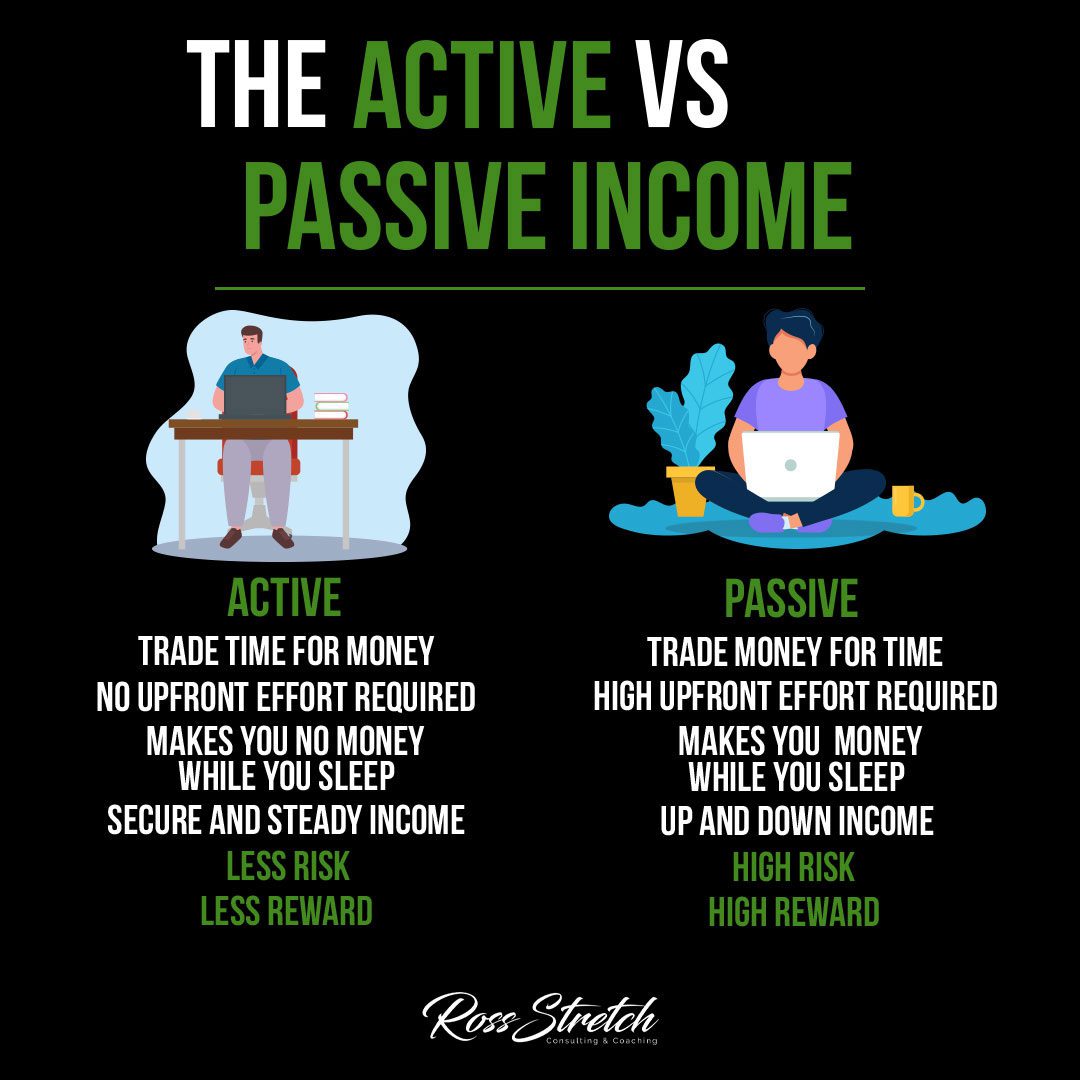
Active income is the most familiar form of earnings. It is the salary from your job, the fee from your freelance project, the pay from your consulting engagement. You show up, you perform, you get paid. The moment you stop performing, the income stops too. This direct exchange of time for money is what defines active income at its core.
Active income is not inherently problematic. For most people building their careers in their twenties and thirties, it is the foundation of everything else. Your salary pays your rent, funds your lifestyle, and — critically — provides the capital to invest in passive income ventures. The problem arises when active income becomes the only income stream, leaving you exposed if illness, layoffs, or burnout interrupt your ability to work.
The characteristics of active income are worth understanding clearly. Compensation is immediate: you invoice a client and get paid within 30 days. Growth is largely linear: raises and promotions come incrementally over time. And your earning potential is ultimately capped by the number of hours you can sell. Even the highest-paid professionals — surgeons, attorneys, executives — hit a ceiling when there are no more hours left to monetize.
The Limitations of Relying Solely on Active Income
There is nothing wrong with earning a strong salary. But when your active income is your only income, you are one event away from financial crisis. A job loss, a health issue, or an economic downturn can eliminate your earnings overnight. The pandemic made this painfully clear for millions of workers who discovered they had no financial cushion when their active income vanished.
Beyond vulnerability, active-only income limits your ability to build wealth. The money you earn through labor is taxed at the highest marginal rates. There is limited opportunity to grow your earnings exponentially. And without income-generating assets working in the background, your net worth grows slowly — dependent entirely on how much you can save from what you earn.
Passive Income: Making Money While You Sleep
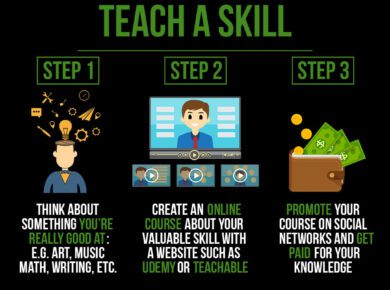
Passive income is earnings that continue without requiring your continuous direct effort. Rental properties generate rent whether you are at your desk or on a beach. Dividend-paying stocks deposit money into your account quarterly with no action required. A digital course you built two years ago can still generate sales today. This decoupling of time from earnings is what makes passive income such a powerful wealth-building tool.
Common passive income sources include real estate rentals, dividend investing, index fund distributions, royalties from creative works, revenue from digital products, and income from businesses you own but do not actively operate. Each of these requires significant upfront investment — either in money, time, or expertise — but the payoff is a stream of income that compounds over time and does not depend on your daily presence to continue flowing.
It is important to dispel a common myth: passive income is rarely truly passive in the beginning. Building a rental property portfolio requires research, capital, property management setup, and ongoing maintenance decisions. Creating a successful digital course requires months of content development, platform setup, and marketing. The passive part kicks in once the asset is established and optimized — not on day one. Anyone selling the idea of effortless income from day one is selling you something.
The Real Cost of Building Passive Income Streams
Understanding the true cost of passive income is essential for anyone serious about building it. The cost is not just financial. Real estate requires a down payment, closing costs, and an emergency maintenance fund. Dividend investing requires a substantial portfolio — at a 4% dividend yield, you need $250,000 invested to earn $10,000 per year. Digital products require months of creation time before any revenue appears.
The risk profile is also different from active income. Stocks can lose value. Rental properties can sit vacant. A digital product can fail to find its audience. These outcomes are part of the process, not signs of permanent failure. Understanding risk is not a reason to avoid passive income — it is a reason to diversify across multiple passive income streams rather than concentrating all your effort in one.
Using Active Income to Fund Passive Ventures
The most practical strategy for ambitious professionals is to use their active income as the launchpad for passive income. This means living below your means, saving aggressively, and directing capital toward income-generating assets. Every dollar you invest in a dividend ETF, a rental property down payment, or a business equity stake is a dollar that works for you beyond your working hours.
This approach requires patience. The early years of building passive income feel slow because the asset base is small. But the math accelerates dramatically over time. A portfolio generating $500 per month in passive income today could generate $2,000 per month in five years if reinvested and grown consistently. The key is starting early and staying consistent, even when the returns feel underwhelming relative to the effort invested.
Diversifying Your Income Portfolio
The most financially resilient individuals do not choose between active and passive income — they build both simultaneously. Active income provides stability and capital; passive income provides growth and security. Together, they create what financial planners call a diversified income portfolio: multiple streams that reinforce each other and reduce overall vulnerability to any single disruption.
Think of it like an investment portfolio. You would not put all your money in a single stock. The same logic applies to income. A combination of your primary salary, a side business generating consulting fees, dividend income from investments, and rental revenue creates a financial structure that can absorb setbacks in any one area without collapsing your entire financial position.
Conclusion
The active versus passive income distinction is not really a debate — it is a sequencing problem. Use your active income to build skills, fund investments, and create capital. Use that capital to build passive income streams that grow over time. The earlier you start, the more powerful the compounding effect becomes. Financial independence is not achieved through a single income source. It is built through the deliberate, systematic construction of multiple earning channels that work whether or not you do.
Resources


 Ross Stretch