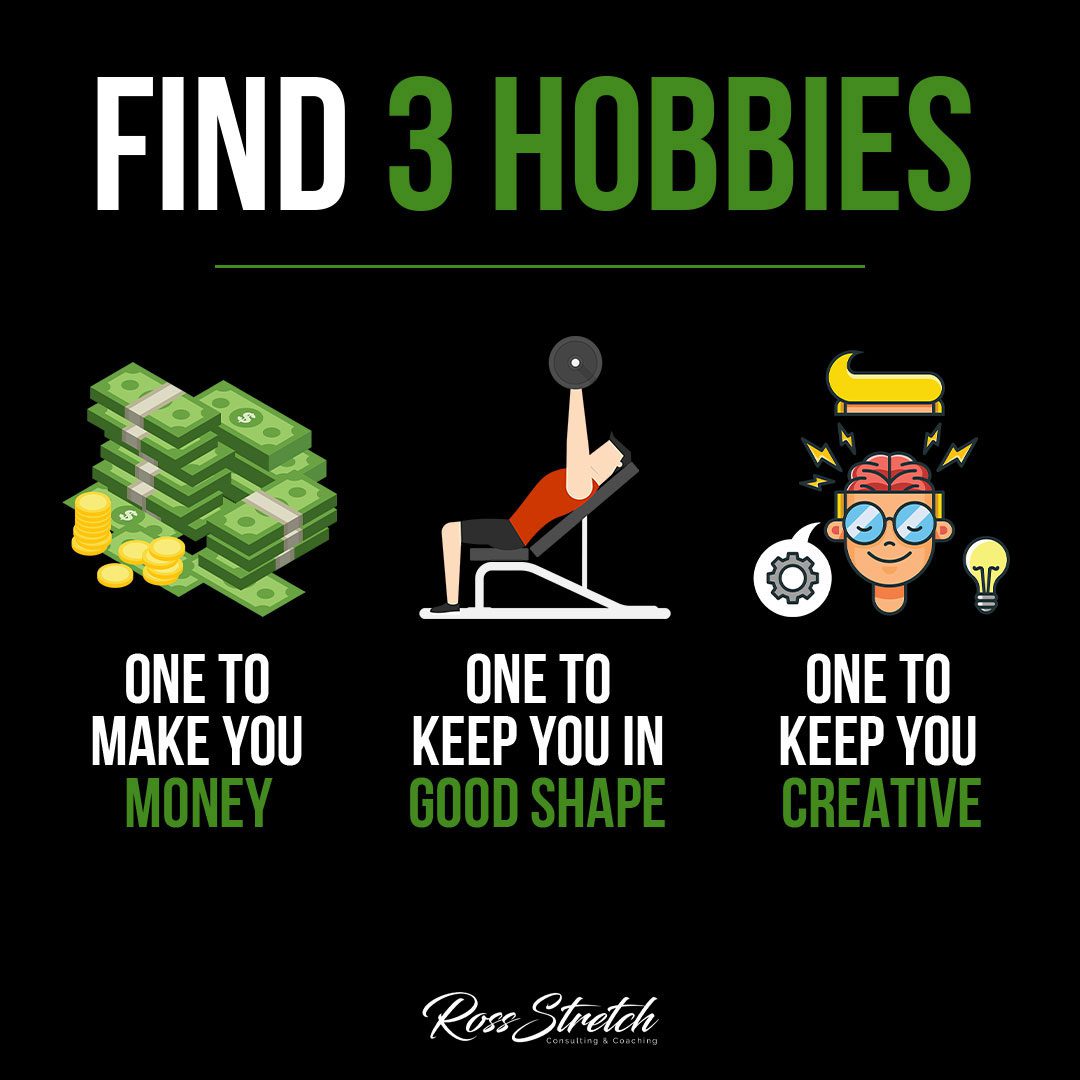
The concept of maintaining three intentional hobbies — one to make money, one to stay in shape, and one to ignite your creativity — is more than a self-help cliché. It’s a practical framework for a life that feels balanced and purposeful. Most people drift through their free time consuming content rather than creating anything or investing in themselves. Those who are deliberate about how they spend their off-hours build multiple forms of personal capital that compound over time. A money-making hobby generates financial upside, a fitness habit protects your most valuable asset — your health — and a creative pursuit keeps your mind sharp and your perspective fresh.
The Hobby That Pays: Turning Passion Into Profit
Every skill has a market. The challenge is identifying which of your interests solves a problem that other people will pay to have solved. A money-making hobby doesn’t have to originate from a burning passion — sometimes it starts as mild curiosity that gradually becomes a side income, and eventually a reliable second revenue stream that reduces financial stress and creates options.
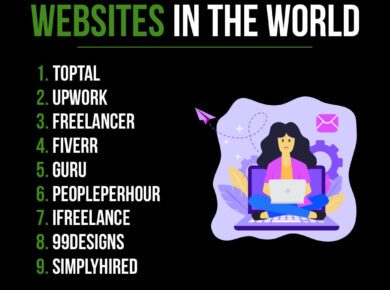
Freelancing is one of the clearest starting points. Platforms like Upwork, Fiverr, and Toptal allow you to test whether your writing, design, coding, or consulting skills have real market value before you invest significant time or capital into a formal business. Content creation — through a blog, YouTube channel, or newsletter — builds an audience that can be monetized through advertising, sponsorships, affiliate marketing, or digital products. The returns are often slow at first, but the upside scales in ways that hourly employment never will.
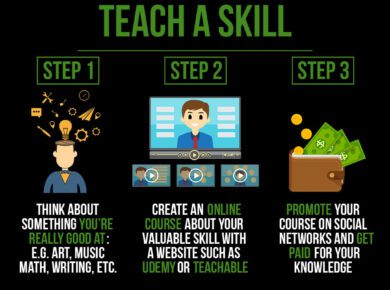
The key to identifying your profitable niche is asking: what do I know that others would pay to learn or have done for them? A personal trainer who moves online can serve clients across time zones. A graphic designer who builds a side print-on-demand store earns while they sleep. A bookkeeper with a corporate day job who picks up two or three small-business clients on weekends can generate meaningful additional monthly income without quitting anything. The earning potential in skill-based hobbies is largely a function of how clearly you define your offer and how consistently you market it.
Starting Small, Validating Fast
Resist the urge to build a full business plan before you’ve made your first dollar. Start with a minimum viable offer: pick one service or product, name a price, and find one paying customer. What you learn from that first transaction is worth more than months of market research. Once you’ve validated demand, you can refine, systematize, and scale. Overthinking is the enemy of momentum.
The Hobby That Keeps You Moving: Physical Activity and Long-Term Health
Physical fitness is one of the most asymmetrically valuable investments a person can make. Regular exercise reduces the risk of heart disease, type 2 diabetes, and cognitive decline. It improves mood, sharpens focus, and raises energy levels. The returns are nearly immediate — a consistent exercise habit delivers better mental clarity and lower chronic stress within weeks of starting.
The obstacle for most people isn’t motivation — it’s finding a physical activity they actually enjoy. If the gym feels like a chore, you won’t stick with it. But if you love the competition of pickup basketball, the meditative rhythm of distance running, or the technical challenge of rock climbing, showing up becomes effortless. The best fitness hobby is the one you’ll do consistently, not the one that looks most impressive on paper.
Outdoor activities carry an added bonus: they combine physical exertion with nature exposure, which research consistently links to reduced cortisol and improved mental health. Hiking, cycling, swimming, and paddleboarding all provide excellent cardiovascular training while removing you from screens and daily stressors. For those who prefer structure and community, martial arts, group fitness classes, or recreational sports leagues offer accountability alongside physical challenge.
Building a Sustainable Fitness Routine
Start where you are, not where you think you should be. Three sessions a week of something you genuinely enjoy will outlast any perfectly designed program you abandon after two weeks. Track your improvements — distance logged, weight lifted, or simply sessions completed. Progress builds momentum, and momentum is what turns a fitness experiment into a lifelong habit.
The Hobby That Fuels Your Imagination: Creative Pursuits and Mental Well-Being
Creativity is not a personality trait reserved for artists — it’s a cognitive mode that anyone can develop with practice. Engaging in creative pursuits trains the brain to approach problems from unexpected angles, tolerate ambiguity, and produce original ideas. These are precisely the skills that drive entrepreneurial success, leadership effectiveness, and adaptability in a rapidly changing economy.
Creative hobbies span a wide spectrum. Writing — whether journaling, long-form essays, or fiction — strengthens communication and forces you to clarify your thinking in ways that professional work rarely demands. Music builds pattern recognition and emotional intelligence. Photography trains your eye for composition and detail, skills that transfer into how you present work professionally. Woodworking, ceramics, cooking, and gardening engage the creative brain while producing tangible results that build genuine confidence.
Unlike a money-making hobby, your creative pursuit doesn’t need to generate income. In fact, keeping it income-free often protects it. When creativity becomes tied to revenue targets, it frequently loses its restorative power. Preserve at least one hobby that exists purely for the enjoyment of making something. That enjoyment, disconnected from any external reward, is itself a form of psychological wealth that many high-earning professionals are quietly starving for.
Making Space for Creativity in a Busy Schedule
You don’t need long, uninterrupted blocks of time to maintain a meaningful creative practice. Fifteen minutes of freewriting each morning, a weekly watercolor session, or one hour of guitar on Sunday afternoons — consistency matters far more than duration. Protect creative time the way you would protect a meeting with your best client. It won’t happen by accident.
Balancing All Three Without Burning Out
The three-hobby framework doesn’t require three enormous time commitments running simultaneously. It requires intentionality. Most people already engage in activities that loosely fit these categories — they simply haven’t framed them as deliberate investments in different dimensions of their life. Reframe how you think about your free time and you’ll start to see income, fitness, and creativity opportunities inside activities you’re already doing.
A practical approach: assign one weekday evening and one weekend block to each category. Protect these slots the same way you protect work commitments. Over time, each hobby compounds — your income-generating skill sharpens, your fitness improves incrementally, and your creative output grows in range and quality. The person who maintains all three intentionally over five years is in a dramatically different position — financially, physically, and mentally — than the person who spent that same time consuming entertainment.
Conclusion
A life built around three intentional hobbies isn’t complicated — it’s structured. One generates income, one builds your body, and one feeds your mind. Together, they create a foundation for financial growth, physical longevity, and the kind of creative confidence that separates people who merely react to their circumstances from those who design their lives deliberately. You don’t need to start all three at once. Pick the one that feels most urgent, build the habit, and let momentum carry you forward. The framework rewards whoever starts — and punishes whoever keeps waiting.
Resources

 Ross Stretch