
Effective communication is the foundation of virtually every meaningful achievement in professional and personal life. Whether you are negotiating a deal, resolving a conflict, or building a relationship with someone you care about, the quality of your communication determines the quality of your outcomes. Yet despite how central it is to success, most people treat communication as a passive, innate ability rather than a skill that can be deliberately developed. The gap between being heard and being truly understood is wider than most people realize — and closing that gap is one of the highest-leverage investments you can make in yourself.
Know Your Audience Before You Speak
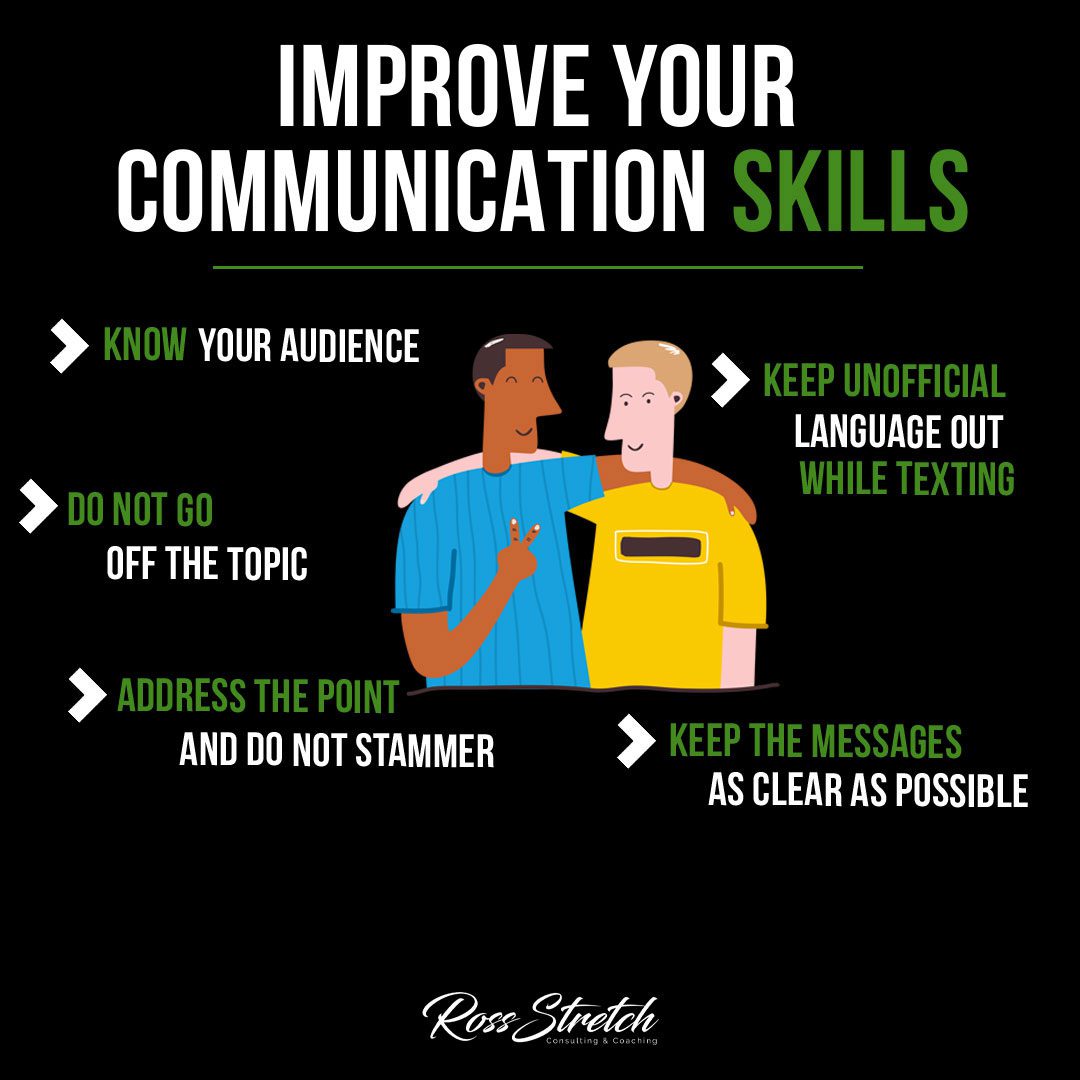
Every communication context is different, and one of the most common mistakes people make is defaulting to a one-size-fits-all approach. The way you explain a complex idea to a specialist in that field should be completely different from how you explain it to someone encountering it for the first time. Understanding your audience — their background, familiarity with the subject, motivations, and communication style — is the foundation of any message that actually lands.
This requires active listening as much as it requires speaking. Active listening means engaging fully with what the other person is saying, asking clarifying questions, and resisting the urge to formulate your response while they are still talking. People who are genuinely listened to are far more receptive to what you have to say in return. It is a simple dynamic, but it is violated constantly in both professional and personal settings.
In practice, adapting to your audience might mean adjusting your vocabulary, the level of detail you provide, your tone, or even the medium you choose. A nuanced discussion that works well over a cup of coffee might fall completely flat in a group email. The best communicators are perpetually calibrating — reading the room and adjusting accordingly, rather than delivering the same message regardless of who is receiving it.
Clarity Is More Important Than Sophistication
The temptation to sound impressive often undermines actual communication. Complex jargon, long-winded explanations, and unnecessarily formal language may feel more authoritative, but they typically reduce comprehension and engagement. The clearest communicators are not necessarily the most educated — they are the people who have learned to distill ideas to their essence and deliver them without unnecessary friction.
Staying on topic is a discipline that most people underestimate. Tangents, excessive caveats, and meandering structures dilute the impact of even a strong message. Before any important communication — a presentation, a difficult conversation, an important email — it is worth taking time to identify the single most important thing you want the other person to walk away with. Everything else should support that central point, not compete with it.
Precision also matters. Ambiguous language creates room for misinterpretation, which leads to misaligned expectations, frustration, and rework. Whether you are giving instructions to a team, making a request of a colleague, or communicating your needs in a personal relationship, specificity is a form of respect. It saves the other person the mental labor of guessing what you actually mean.
Articulation and Confident Delivery
How you say something carries as much weight as what you say. A well-constructed argument delivered with hesitation and poor pacing can undermine itself. Confident, measured delivery — even on difficult or complex topics — signals competence and builds trust. This does not mean projecting false confidence; it means doing enough preparation that you can deliver your message without constantly searching for words.
Pacing is particularly important. Speaking too quickly can make it hard for listeners to absorb information; speaking too slowly can lose their attention. Deliberate pauses — used strategically before or after key points — give your audience time to process what you have said and signal that what comes next is worth paying attention to. This technique is used by effective speakers across fields, from courtrooms to boardrooms.
Reiteration is also a legitimate communication tool. In longer conversations or presentations, repeating and reinforcing key points helps ideas stick. This is not redundancy — it is structure. Summarizing key takeaways at the end of a meeting or restating your main point midway through a complex explanation helps ensure the most important things are remembered rather than lost in surrounding detail.
Digital Communication Requires Deliberate Standards
The rise of digital communication has created challenges that previous generations never had to navigate. Email, messaging platforms, and video calls each introduce their own potential for misunderstanding — and the informal norms that develop around these tools do not always serve professional or personal goals well. What reads as casual or friendly in one context can come across as dismissive or unprofessional in another.
Written digital communication removes tone of voice, facial expressions, and body language from the equation — which means ambiguity is amplified. Short or curt messages can easily be read as hostile even when that is not the intent. Taking a few extra seconds to ensure your messages are clear, warm where appropriate, and free of errors goes a long way toward maintaining the quality of your professional relationships over time.
Response time also communicates something, whether you intend it to or not. Leaving messages unanswered for extended periods — especially in time-sensitive contexts — sends a signal about your priorities and reliability. Responding thoughtfully and promptly signals that you value the relationship and take the exchange seriously. In a world where attention is fragmented and inboxes are overwhelming, that kind of reliability stands out.
Non-Verbal Communication: What You Say Without Speaking
Research consistently shows that a significant portion of the meaning in face-to-face communication is conveyed non-verbally — through posture, facial expressions, eye contact, gestures, and physical proximity. When your non-verbal signals contradict your spoken words, people tend to believe the former. This is worth paying close attention to, particularly in high-stakes situations like negotiations, interviews, or difficult conversations.
Eye contact is one of the most powerful non-verbal tools available. Maintaining appropriate eye contact signals engagement, honesty, and confidence. Avoiding it can create the impression of disinterest or evasiveness, even when neither is true. In video calls — which have become a standard mode of professional communication — looking at the camera rather than at the screen creates the same sense of direct connection that in-person eye contact provides.
Posture and physical openness also shape how your message is received. Open, upright posture communicates confidence and attentiveness; closed or slumped posture can suggest disengagement or low energy. These signals operate largely below conscious awareness — in both yourself and your audience — which makes them easy to overlook and important to deliberately manage.
Conclusion
Effective communication is not a talent you either have or you do not — it is a skill built through awareness, practice, and consistent attention to feedback. By understanding your audience, prioritizing clarity, delivering with confidence, maintaining professional standards in digital contexts, and managing your non-verbal signals, you can significantly elevate the quality of every interaction you are part of. The returns — stronger relationships, better outcomes, and more influence — compound steadily over time.
Resources


 Ross Stretch