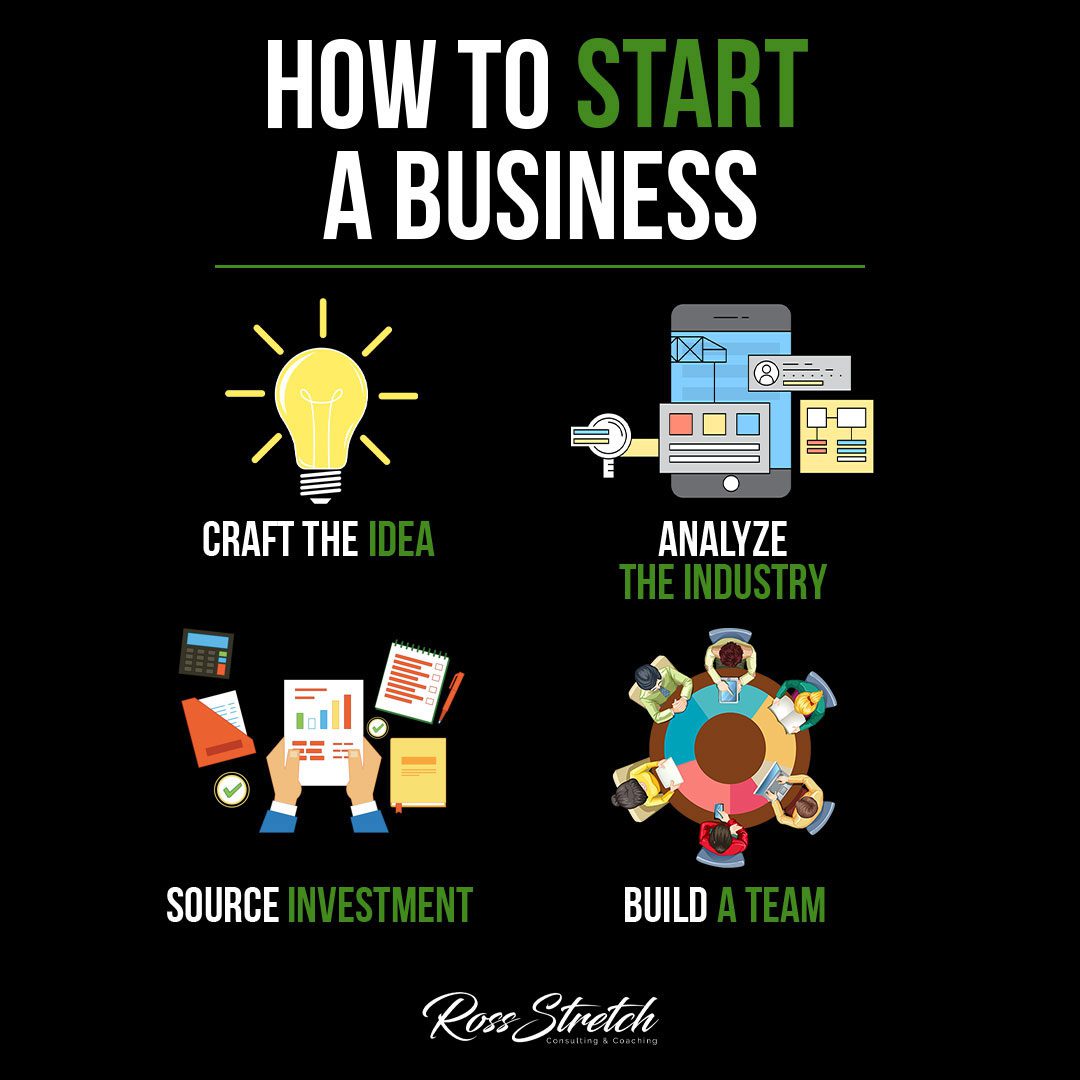
Starting a business requires more than a great idea — it demands a structured approach that turns ambition into action. Many aspiring entrepreneurs get stuck because they skip the foundational work: validating their concept, understanding the competitive landscape, and securing resources before day one. This guide breaks down business planning, market validation, and team building into clear, actionable steps so your startup launches with the strongest possible foundation.
Why This Matters
The numbers are sobering. According to the U.S. Bureau of Labor Statistics, roughly 20% of new businesses fail within their first two years, and nearly 45% don’t survive past five years. The most common causes are not lack of passion — they are poor market fit, undercapitalization, and launching without a tested plan. Understanding why businesses fail is the first step toward ensuring yours doesn’t.
Getting the fundamentals right matters far more than moving fast. A business that launches too early without validating demand burns money and loses momentum. One that delays indefinitely never learns what customers actually want. The entrepreneurs who succeed move methodically — testing assumptions, assembling the right team, securing funding, and executing with discipline. This step-by-step guide gives you that exact framework.
How to Start a Business
Step 1: Validate Your Business Idea
Before investing a single dollar, confirm that real people have the problem you’re solving and are willing to pay for a solution. Talk to at least 20 potential customers. Ask open-ended questions about their frustrations, current workarounds, and what they’d pay to fix the problem. You’re not pitching your idea yet — you’re listening. The goal is to either confirm a genuine market need or discover that you need to pivot before you’ve committed significant resources.
- Do: Conduct customer discovery interviews with your target audience before building anything
- Do: Create a simple landing page or prototype to test demand and collect email sign-ups
- Avoid: Assuming your idea is validated because friends and family say they love it
- Avoid: Spending months building a product before confirming anyone wants it
Step 2: Conduct Industry and Competitor Analysis
Once you’ve confirmed market demand, study the landscape you’re entering. A thorough industry analysis tells you who your competitors are, what they charge, where they fall short, and where white space exists for a new player. Use tools like Google Trends, Statista, and direct competitor websites to gather intelligence. A SWOT analysis — mapping your Strengths, Weaknesses, Opportunities, and Threats — is a practical framework that surfaces the strategic decisions you’ll need to make early on.
- Do: Identify your top 3–5 direct competitors and map their pricing, features, and customer reviews
- Do: Look for underserved customer segments or markets where competition is thin
- Avoid: Dismissing competitors as irrelevant — understanding them is how you differentiate
- Avoid: Limiting your research to a quick Google search; go deeper with industry reports and primary interviews
Step 3: Write a Lean Business Plan
You don’t need a 40-page document to get started, but you do need a clear written strategy. A lean business plan covers your value proposition, target customer, revenue model, key activities, and financial projections for the first 12 months. Writing it forces you to test your assumptions and identify gaps before they become expensive surprises. It also becomes essential when approaching investors or applying for loans.
- Do: Use tools like the Business Model Canvas to map your plan on one page before expanding it
- Do: Include realistic financial projections with best-case, base-case, and worst-case scenarios
- Avoid: Writing a plan so optimistic it loses credibility with outside readers
- Avoid: Treating the plan as a one-time document — update it regularly as you learn
Step 4: Secure Your Funding
Funding is the fuel that keeps your business running through the early months before revenue becomes consistent. Your options depend on your business type, stage, and risk tolerance. Bootstrapping — funding the business yourself — gives you maximum control but requires personal capital. Angel investors and venture capital provide larger sums but come with equity dilution and high growth expectations. Small business loans, grants, and crowdfunding are additional routes worth exploring based on your specific situation.
- Do: Calculate your runway — how many months you can operate before running out of cash — and fund accordingly
- Do: Explore SBA loans and small business grants before giving away equity
- Avoid: Raising more money than you need — it creates pressure and dilutes ownership unnecessarily
- Avoid: Ignoring the terms of investment deals; always have a lawyer review agreements before signing
Step 5: Build Your Core Team
Even if you’re starting solo, you need a network of trusted people around you: advisors, contractors, and eventually full-time hires. The best early team members are those who complement your weaknesses. If you’re a product person, recruit someone with strong sales or operations experience. Define each role clearly, set expectations early, and build a culture of accountability from day one. Hiring the wrong people early is one of the most expensive mistakes a founder can make.
- Do: Hire for attitude and coachability alongside technical skill in the early stage
- Do: Use contracts and clear job descriptions even for early-stage hires
- Avoid: Hiring friends or family to fill roles they’re not qualified for
- Avoid: Waiting until you’re overwhelmed to bring in help — hire slightly ahead of your needs
Step 6: Launch, Measure, and Iterate
Your launch is not a finish line — it’s a starting point. Identify 3–5 key metrics that will tell you whether your business is working: customer acquisition cost, conversion rate, churn, average order value, or whatever is most relevant to your model. Review these metrics weekly. Be willing to adjust your pricing, messaging, or product based on what the data tells you. The businesses that succeed long-term treat every early customer interaction as a source of learning.
- Do: Set up basic analytics from day one — Google Analytics, your CRM, and financial tracking
- Do: Ask your first customers for honest feedback and act on it quickly
- Avoid: Launching and then going silent on marketing — consistency compounds over time
- Avoid: Changing too many variables at once; test one thing at a time to understand what’s working
Common Mistakes to Avoid
- Skipping market research: Building a product nobody wants is the most common and most preventable startup failure. Talk to customers before you build.
- Underestimating costs: Most new business owners underestimate startup costs by 30–50%. Build a meaningful buffer into every financial projection.
- Doing everything alone: Trying to handle every function yourself leads to burnout and blind spots. Delegate intentionally and early.
- Neglecting legal and tax setup: Choose the right business structure — LLC, S-Corp, sole proprietor — before you make your first dollar. Fixing this retroactively costs far more.
- Chasing perfection at launch: A functional product in the market beats a perfect product that never ships. Get something real in customers’ hands and improve from there.
Conclusion
Starting a business is one of the most challenging and rewarding things you can do. The entrepreneurs who succeed aren’t necessarily the ones with the best ideas — they’re the ones who validate those ideas, plan with intention, build the right team, and stay disciplined enough to learn and adapt. Every step in this guide exists to reduce the guesswork and increase your odds of building something that lasts.
If you’re serious about launching, start with Step 1 this week. Schedule five customer discovery conversations. The answers you get will shape everything that follows. The best time to start building your business the right way is now.
Resources
- U.S. Small Business Administration — Launch Your Business: Step-by-step federal guidance on registering, funding, and legally structuring a new business.
- SCORE — Free Mentoring for Small Business Owners: Connects new entrepreneurs with experienced mentors for free business plan reviews and ongoing advice.
- Harvard Business Review — Why the Lean Start-Up Changes Everything: The foundational article explaining the lean startup methodology and why iteration beats perfection.
- Y Combinator Startup Library: Practical essays and advice from the world’s top startup accelerator, free and publicly available.


 Ross Stretch