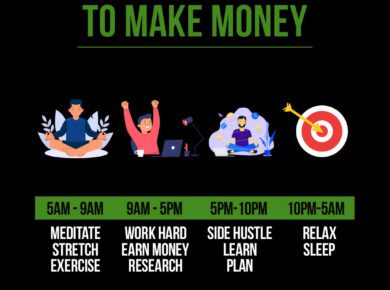
Most people set goals in January and abandon them by February. The six-month goal-setting challenge is different — it is a structured, high-intensity commitment to eliminate distraction and pour your full energy into the objectives that actually matter. If you are reading this, you have already taken the first step. The question is not whether you have goals. The question is whether you are willing to pursue them with the consistency that real results demand.
Why Six Months Is the Right Time Frame
A six-month window hits a productive middle ground between ambition and realism. It is long enough to produce measurable progress on meaningful goals — building a side income stream, eliminating high-interest debt, launching a product, or improving physical health. At the same time, six months is short enough to maintain urgency. The deadline stays visible, which prevents the slow drift that kills annual resolutions.
Research in behavioral psychology consistently shows that medium-term goals outperform vague, long-horizon targets when it comes to sustained effort. A six-month commitment creates a psychological container: you know exactly when the evaluation window closes, which makes it easier to delay gratification and push through the discomfort of hard weeks. Entrepreneurs and high performers across industries rely on quarterly and biannual planning cycles for exactly this reason.
The Power of Focused Intention
Scattered effort produces scattered results. Focused intention means choosing two or three primary goals and protecting your time and energy accordingly. It means saying no to commitments that pull you sideways, even when they feel productive. Every hour you spend on something disconnected from your primary goals is an hour you are not spending on what matters most.
The practical application of this principle is simple: write your top goals somewhere you will see them every day. Your phone lock screen, a sticky note on your monitor, the first page of your notebook. Visibility creates accountability. When you cannot avoid your goals, you cannot pretend they do not exist. Focused intention is not a mindset shift you make once — it is a daily practice of redirecting your attention back to your priorities.
This challenge also asks you to audit your environment. Eliminate or reduce access to the things that consistently pull you off track — whether that is social media, television, or low-value social obligations. Building an environment that supports focus is often more powerful than trying to out-willpower a distracting one.
Crafting Your Goal Blueprint with SMART Criteria
Vague goals produce vague outcomes. “I want to make more money” is not a goal — it is a wish. A properly constructed goal looks different: “I will generate an additional $1,500 per month in freelance income by the end of month six by onboarding three new clients per month.” Every element is defined, measurable, and time-bound.
The SMART framework — Specific, Measurable, Achievable, Relevant, and Time-bound — is not new, but most people apply it superficially. The real power comes from breaking each SMART goal into monthly milestones and then into weekly actions. A six-month goal with no intermediate checkpoints is just a dream with a deadline. Build the architecture that connects today’s work to the six-month outcome.
Once your goals are written and structured, identify the two or three daily actions that, if completed consistently, will guarantee progress. These keystone behaviors become your non-negotiables — the minimum effective dose of work that keeps momentum alive even on difficult days. Write them into your schedule as appointments, not intentions.
Building a No-Excuses Mindset
The gap between where you are and where you want to be is filled with excuses. Some of them are reasonable — life gets complicated, unexpected costs arise, relationships make demands on your time. None of them change the math. A no-excuses mindset does not require you to be relentless or ignore legitimate obligations. It requires you to stop treating obstacles as reasons to quit and start treating them as problems to solve.
This mindset shift requires an honest audit of your own patterns. Where do you typically quit? What circumstances trigger your retreat into inaction? Understanding your specific failure modes lets you build guardrails in advance. If you know you skip morning workouts when you stay up past midnight, you address the sleep habit — not just the workout habit. If you know you procrastinate on difficult financial tasks, you block time on Monday mornings when willpower is highest.
Resilience is built incrementally. Every time you follow through on a commitment when it would be easier not to, you are building the identity of someone who finishes what they start. That identity compounds. By month four, the version of you who would have quit in week two will feel like a distant memory.
Accountability and Support Systems
Accountability is not a soft concept. Research from the Association for Talent Development found that people who commit to a specific accountability partner have a 65 percent higher chance of achieving a goal. When that accountability takes the form of a scheduled check-in, success rates climb further. You are not weak for needing support — you are strategic for building it in.
Identify one person who will serve as your accountability partner for this challenge. Share your six-month goals with them, set up monthly check-ins, and give them permission to ask the hard questions. If you are serious about acceleration, consider working with a coach or mentor who has already achieved what you are working toward. Their perspective shortens your learning curve, and their accountability structure closes the gap between intention and action.
Community matters too. Joining a group of people working toward similar goals creates ambient motivation — the simple awareness that others are doing the work changes your own behavior. Online communities, mastermind groups, and local accountability circles all serve this function. Find your people and use them well.
Milestones, Reflection, and Course Correction
A six-month challenge without checkpoints is navigation without a compass. Build in formal monthly reviews where you assess your progress honestly. What percentage of your planned actions did you complete? What results have you seen? What is working, and what is not? This reflection is not about judgment — it is about data. The goal is to identify what to adjust so the next month is more effective than the last.
Celebrate milestones genuinely. If you hit your month-two target, acknowledge it. The brain responds to reward, and the acknowledgment of progress creates positive reinforcement that sustains motivation through the harder middle sections of any long-term effort. Your celebration does not need to be extravagant — it needs to be intentional.
Six months from today, you will have either built the habits, skills, and results that move your life forward — or you will have another set of reasons why it did not work out. The challenge is not complicated. Show up, do the work, adjust when needed, and repeat. The consistency is where most people fall short. That is exactly why committing to this challenge puts you ahead of the majority who never will.
Conclusion
The six-month goal-setting challenge is not a motivational concept — it is a practical framework for achieving meaningful change in a compressed, accountable window. Define your goals with precision, protect your focus, build your support structure, and commit to the daily actions that create momentum. Six months is enough time to transform a significant area of your life. The only question is whether you will use it.
Resources
- Atomic Habits by James Clear — Framework for building consistent habits
- MindTools: How to Write SMART Goals
- Harvard Business Review: Goal Setting Research and Insights
- Entrepreneur: Goal Setting Strategies for Ambitious Professionals

 Ross Stretch