
Wealth is rarely just about income. The gap between financial success and financial struggle is often rooted in daily habits, decision-making patterns, and the way people think about money, time, and opportunity. A wealthy mindset isn’t exclusive to millionaires — it’s a set of repeatable behaviors and beliefs that anyone can develop with intention. Understanding the core differences between a rich mindset and a poor mindset is the first step toward closing that gap and taking genuine control of your financial future.
1. How They Use Time
Time is the one asset you can never earn back
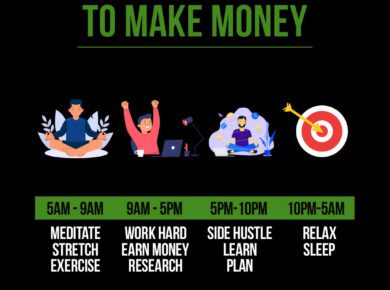
People who build wealth treat time as their most valuable resource. They schedule their days intentionally, protect their focus, and consistently work toward goals that have a long-term payoff. In contrast, without deliberate time management, it’s easy to fill hours with low-value activities — endless scrolling, passive entertainment, or reacting to other people’s urgencies instead of pursuing your own priorities. The difference isn’t intelligence or luck; it’s intention applied consistently over time.
- Actionable Tip: Start each morning by identifying your top three most important tasks. Complete those before checking email or social media. This simple practice redirects your best energy toward your highest-value work every single day.
- Why It Works: High earners consistently report that protecting their morning hours for deep, focused work is one of their most impactful habits. Applied over months and years, intentional time use compounds into significant progress — in income, skills, and opportunity.
Pro Tip:
Audit your last week honestly. How many hours did you spend on activities that moved you closer to a financial goal? Track your time for just one week using a free tool like Toggl — most people are genuinely surprised by what they find, and that awareness alone drives meaningful change.
2. Attitude Toward Self-Improvement
Your earning potential grows as your knowledge grows
Wealthy individuals invest heavily in learning. They read books, listen to podcasts, take courses, and actively seek mentors who challenge their thinking. This isn’t because they had more opportunities — it’s because they understand that knowledge is leverage. Every skill you develop opens a new door. A struggling mindset often treats education as something you finish rather than something you pursue continuously. In a rapidly changing economy, that distinction has enormous financial consequences over a career.
- Actionable Tip: Commit to reading at least one non-fiction book per month focused on finance, entrepreneurship, or personal development. Even 20 minutes of reading each morning adds up to roughly 24 books per year — a habit that compounds into a genuine competitive advantage.
- Why It Works: Self-education keeps you adaptable. People who keep learning stay relevant in their fields, earn more over their careers, and are better positioned to recognize and act on opportunities that others miss entirely.
Pro Tip:
You don’t need to spend money to learn at a high level. Platforms like Coursera, YouTube, and your local library offer world-class education for free. Start by spending one hour per week studying a skill directly tied to your income goals and let that habit grow from there.
3. Saving and Spending Habits
Wealth is built in the gap between what you earn and what you keep
High earners aren’t necessarily wealthy — it’s how you manage what you earn that determines your financial trajectory. People with a wealthy mindset live below their means, budget deliberately, and think carefully before spending. They distinguish between wants and needs and delay gratification for long-term gain. A scarcity mindset, by contrast, often leads to impulsive purchases driven by emotion — spending for temporary comfort, status, or boredom, with little thought for tomorrow.
- Actionable Tip: Implement a 48-hour rule for non-essential purchases over $50. If you still want it two days later, it may be genuinely worth buying. More often, the urge passes — and you keep that money working for you instead.
- Why It Works: The delay gives your rational mind time to override emotional impulse. Over the course of a year, this one habit can save hundreds or even thousands of dollars that can be redirected into savings or investments.
Pro Tip:
Automate your savings. Set up an automatic transfer to your savings or investment account on the day your paycheck arrives. Paying yourself first — before spending — removes the temptation entirely and builds wealth quietly on autopilot without requiring monthly willpower.
4. The Power of Their Network
Your network shapes your financial ceiling more than your talent does
Wealthy individuals are deliberate about the company they keep. They surround themselves with ambitious, positive people who challenge their thinking and open doors to new opportunities. Research consistently shows that income and financial behavior are heavily influenced by peer groups. If your closest friends are financially careless, those patterns are likely affecting you too. Building a network of growth-oriented people is one of the highest-leverage moves you can make — and it costs nothing but intention.
- Actionable Tip: Join one professional or entrepreneurial community — locally or online — where members are actively working toward financial or business goals. Attend consistently. Contribution creates connection, and connection creates opportunity.
- Why It Works: Being around people who are further along than you creates a natural pull effect. You adopt their standards, absorb their strategies, and gain access to introductions and ideas you’d never encounter on your own.
Pro Tip:
You don’t have to cut off old friends — but you do need to expand your circle. Seek out podcasts, masterminds, or online forums hosted by people whose results you want to replicate. Proximity to excellence is powerful, even in digital form.
5. Response to Failure and Mistakes
Failure is feedback, not a final verdict
One of the clearest separators between a wealthy mindset and a struggling one is how each treats failure. Successful entrepreneurs and investors fail regularly — often spectacularly. What sets them apart is their ability to extract lessons from those failures and apply them going forward. A fixed mindset treats failure as evidence of limitation. A growth mindset treats it as a data point that brings you closer to the answer. That distinction, applied consistently, is the difference between people who eventually break through and those who give up just before they would have.
- Actionable Tip: After any setback — a failed investment, a lost client, a missed target — write down three things you learned from the experience. This simple practice transforms failure from demoralizing to instructive and builds resilience that compounds over time.
- Why It Works: Externalizing your post-failure analysis moves you from emotional reaction to rational reflection. Over time, this habit builds the resilience that makes long-term success not just possible, but inevitable for those who persist.
Pro Tip:
Study the failures of successful people deliberately. Biographies, interviews, and case studies are full of accounts of high achievers who failed repeatedly before succeeding. This context normalizes setbacks and helps you stay in the game long enough to win.
6. Goal-Setting and Long-Term Planning
Direction determines destination
Wealthy people don’t just dream about what they want — they build specific, written plans to get there. They set financial targets, break them into milestones, and review their progress regularly. Without clear goals, it’s easy to drift financially: spending reactively, saving inconsistently, and never quite building momentum. A written goal is a commitment. It activates focused decision-making in ways that vague wishes simply don’t — and the research on this is remarkably consistent across decades of studies on high achievers.
- Actionable Tip: Write down one specific financial goal you want to achieve in the next 12 months. Break it into monthly and weekly actions. Put it somewhere you’ll see it every day — on your mirror, your phone wallpaper, or the top of your daily planner.
- Why It Works: People who write down their goals are significantly more likely to achieve them than those who don’t. Specificity creates accountability and makes it easy to recognize when you’re off course — and to course-correct before too much ground is lost.
Pro Tip:
Review your goals monthly, not just at New Year’s. Adjust your tactics as needed, but keep the destination fixed. Life changes — your approach should adapt, but your commitment to progress should remain constant. The people who reach big financial goals are the ones who never fully stop pursuing them.
Conclusion
The difference between a rich mindset and a poor mindset isn’t intelligence, luck, or background — it’s a collection of daily habits and mental frameworks that anyone can develop with intention. Use your time deliberately, invest in your own growth, spend less than you earn, build a better network, learn from your mistakes, and set clear goals. None of these require a windfall or a perfect starting point. They just require you to start — and to keep going when it gets hard.
Resources
- Atomic Habits by James Clear — The definitive guide to building habits that compound into lasting financial and personal results.
- Rich Dad Poor Dad by Robert Kiyosaki — A foundational book on the mindset differences that separate the wealthy from the financially struggling.
- Psychology Today: Money and Mindset — Research-backed insights into how psychology shapes financial behavior and decision-making.
- Investopedia: The Basics of Building Wealth — Practical steps for developing the financial habits that lead to long-term security.


 Ross Stretch