Understanding what you’re worth — and being able to articulate it clearly — is one of the most practically valuable skills in any career or business. Knowing your value determines what you charge, how you negotiate, which opportunities you pursue, and whether you end up in roles that actually leverage your capabilities. Most people either overestimate their market value or, more commonly, significantly underestimate it — and both errors are costly. This article explores how to accurately assess your worth, how to build and communicate that value, and how to make the shift from time-based to value-based thinking about your income.
\
\
\
\
The Value Spectrum: From Intern to CEO
\
\
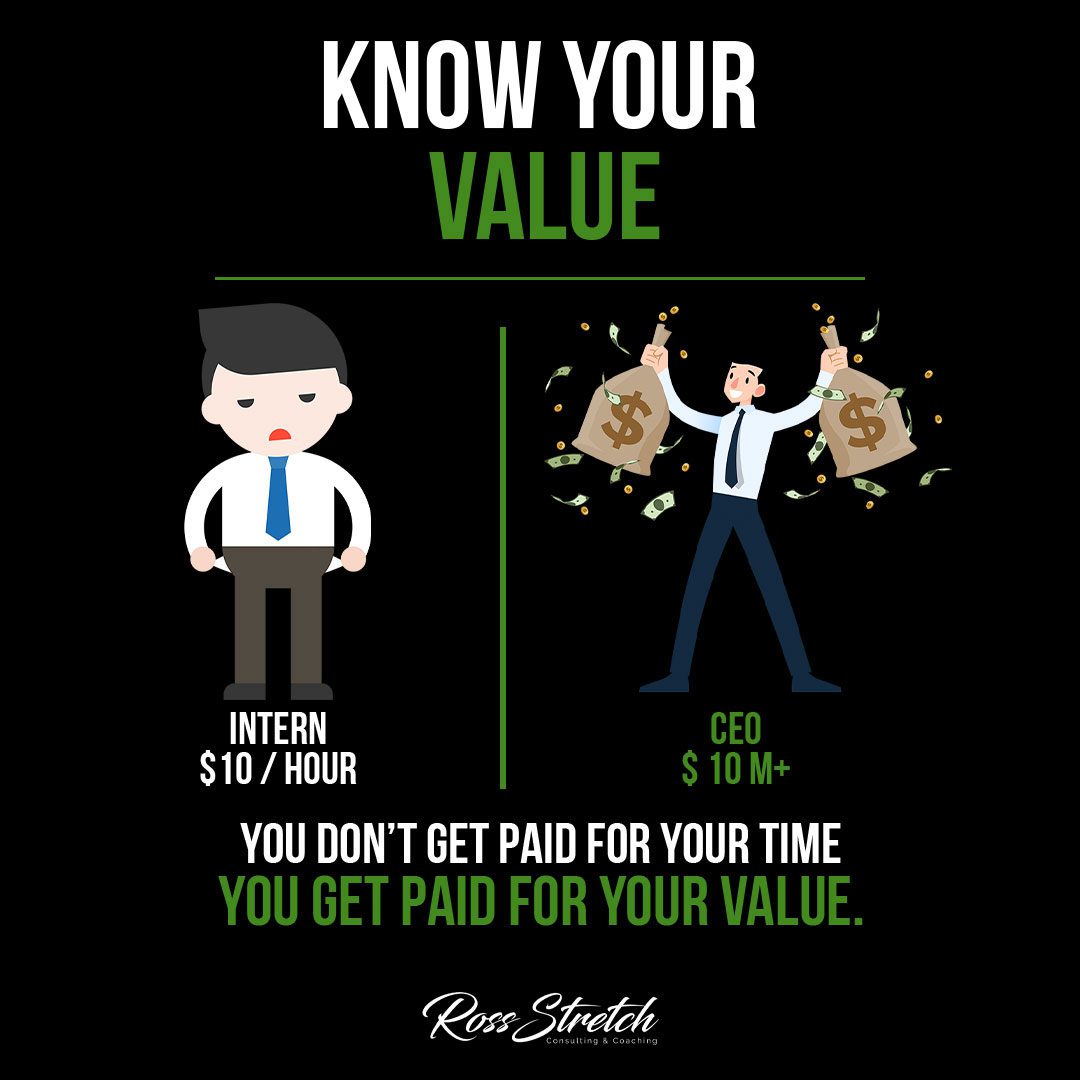
Compensation across the professional world spans an extraordinary range. An intern earning a modest hourly wage and a chief executive earning several million annually may both be working hard — but they’re creating vastly different levels of value for the organizations they serve. That difference isn’t simply a matter of seniority or time served. It reflects the scope, impact, and scarcity of what each person brings to the table.
\
\
The intern brings energy and capacity, but limited judgment and limited accountability. The executive brings pattern recognition built over years, a network that opens doors, the ability to make high-stakes decisions with incomplete information, and ownership over the direction of an entire organization. Each additional layer of responsibility and skill expands the value delivered — and markets compensate accordingly.
\
\
Understanding this spectrum isn’t about feeling discouraged by where you currently sit on it. It’s about recognizing that your position is not fixed. Every skill you develop, every high-stakes project you take on, and every measurable result you deliver moves you up the value ladder. The most productive question to ask regularly is: what would make me worth significantly more than I am today — and what’s my plan to get there?
\
\
\
\
Time-Based vs. Value-Based Compensation
\
\
Most people have been conditioned to think about income in terms of hours worked. You show up, you put in the time, you get paid for it. This mental model makes sense in an employment context where your job is to fill a defined role — but it breaks down quickly when you’re trying to maximize your earning potential as a freelancer, consultant, or entrepreneur.
\
\
Value-based compensation means getting paid for the outcome you produce, not the time it takes to produce it. A consultant who can solve in two hours a problem that would take a client’s internal team two months to untangle doesn’t charge for two hours. They charge a fraction of the value they’ve created — and that fraction is still far higher than any hourly rate. This reframe is what allows skilled professionals to earn meaningfully more while working fewer hours.
\
\
Making this shift requires two things: knowing clearly what your output is actually worth to the person paying for it, and having the confidence to charge accordingly. Both come from market knowledge and documented results. The more clearly you can articulate the impact of your work — in financial terms, in time saved, in risk reduced — the stronger your position in any compensation conversation.
\
\
\
\
Building Skills That Command Higher Pay
\
\
Your market value is not static — it’s a direct function of what you can do and how scarce those capabilities are. This means the most reliable path to higher earnings is deliberate, ongoing skill development. Not just staying current, but strategically identifying which skills have the highest payoff in your target market and investing in those first.
\
\
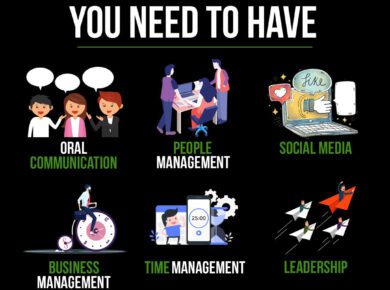
High-value skills typically fall into two categories: technical expertise that’s hard to develop and easy to verify, and leadership capabilities that drive results through other people. The most valuable professionals usually have both — deep expertise in a specific domain and the ability to lead teams, manage complexity, and communicate clearly at an executive level. If you’re strong in one category and weak in the other, closing that gap is likely the highest-return investment you can make in yourself right now.
\
\
Be deliberate about how you learn. Formal education has its place, but applied learning — taking on challenging projects, working alongside people who are better than you, and getting real feedback on real work — accelerates skill development far more efficiently than coursework alone. Seek out the situations that stretch you most, even when they’re uncomfortable. Discomfort is usually a reliable signal that real development is occurring.
\
\
\
\
Your Personal Brand as a Value Signal
\
\
Even if your skills are exceptional, you won’t capture full value if the right people don’t know about them. Your personal brand is how your expertise becomes visible to the market — and in a world where hiring decisions, client acquisitions, and partnership opportunities increasingly happen online before any conversation takes place, a strong professional presence is a genuine competitive advantage.
\
\
This doesn’t mean you need to be a content creator or a social media personality. It means having a clear, consistent professional identity — on LinkedIn, in your industry community, and in the reputation you build through your work. It means other people being able to describe clearly what you do and why you’re excellent at it. A professional who is exceptional at their craft but invisible to the market consistently leaves opportunity and money on the table.
\
\
The most effective way to build a strong personal brand is to do excellent work and make it visible. Document your results. Share your thinking publicly when you have something genuinely useful to contribute. Seek out opportunities to present, publish, or speak in your field. Let your track record do the marketing — because a demonstrated history of results is more persuasive than any amount of self-promotion.
\
\
\
\
Delivering Results That Speak for Themselves
\
\
At the end of the day, your market value is anchored to what you’ve actually produced. Revenue generated, problems solved, teams built, deals closed, products launched — these are the currency of professional reputation. Every time you deliver exceptional results, you raise the floor of what you can reasonably command in your next negotiation.
\
\
Track your accomplishments in quantitative terms wherever possible. Don’t just note that you “led a product launch” — document that the product launched on schedule, within budget, and achieved specific adoption or revenue milestones in its first year. Specificity is what makes achievements credible and memorable. When you’re negotiating compensation, concrete numbers persuade far more effectively than general claims about your capabilities or work ethic.
\
\
\
\
Conclusion
\
\
Knowing your value is both a mindset and a practice. It requires understanding the market for your capabilities, continuously investing in your growth, building a visible professional presence, and documenting the results you produce. When you combine all of these elements, you stop leaving compensation on the table and start negotiating from a position of genuine strength. Your worth isn’t fixed — and the first step to increasing it is deciding to take it seriously.
\
\
\
\
Resources
\
\
- \
- LinkedIn Salary Insights — Real compensation data by role, industry, and location to benchmark your current market value
- Glassdoor Salaries — Crowdsourced salary and compensation data across thousands of companies and roles worldwide
- Never Split the Difference by Chris Voss — A former FBI negotiator’s practical system for negotiating better outcomes in any high-stakes conversation
- Why People Don’t Negotiate Their Salaries — Harvard Business Review — Research-based insights into the psychology and barriers behind compensation negotiation
\
\
\
\

 Ross Stretch