Starting a blog in 2024 is both easier and more competitive than it has ever been. The barriers to entry are low — a site can be live in an afternoon — but the bloggers who build real audiences and real income do so through deliberate strategy, not just enthusiasm. This guide walks through the five steps that separate blogs that grow from blogs that get abandoned three months in.
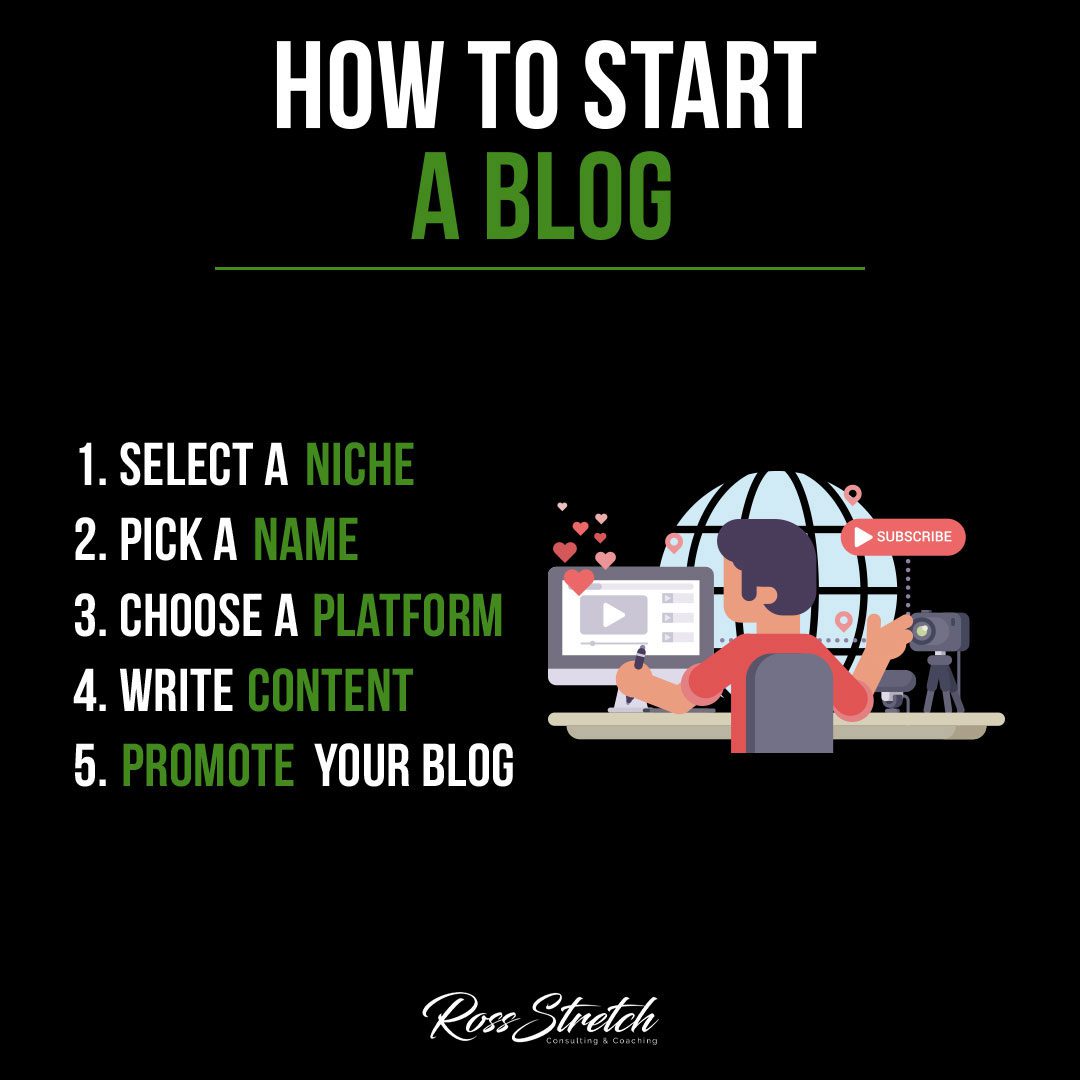
1. Finding Your Niche: The Cornerstone of Your Blog
Why Specificity Beats Breadth Every Time
The single most common mistake new bloggers make is starting too broad. A blog about “personal development” competes with tens of millions of pages. A blog about “personal finance for early-career nurses” or “productivity systems for independent filmmakers” competes with almost nothing and speaks directly to a specific reader’s identity and problems. Counterintuitively, the narrower your niche, the faster you’ll build an audience — because every person who finds your content feels like it was written for them specifically.
- Actionable Tip: List 10 topics you know well and genuinely care about. Then cross-reference each against Google Trends and basic keyword research using a free tool like Ubersuggest. Look for topics with consistent search interest but manageable competition.
- Why It Works: Search engines reward topical authority. A blog that covers one subject deeply ranks faster and more reliably than a general-interest blog spread across dozens of unrelated topics.
Pro Tip:
The best niche sits at the intersection of what you know, what you enjoy writing about, and what a real audience is actively searching for. All three criteria matter. A niche you’re knowledgeable about but bored with produces low-quality content over time. A niche you love but no one searches for produces great content no one reads.
2. Crafting the Perfect Blog Name
Your Name Is Your First Piece of Branding
A strong blog name does several things at once: it signals what the blog is about, it’s memorable enough that readers can find it again without bookmarking it, and it works as a domain name without being awkward to type or spell. Personal names work well for personal brands where the writer’s identity is central to the value proposition. Descriptive names — those that telegraph the niche directly — work better for blogs intended to function as standalone media properties or eventually be sold.
- Actionable Tip: Before settling on a name, check domain availability at Namecheap or Google Domains, search the name on Instagram and LinkedIn, and verify it doesn’t belong to an existing trademark using the USPTO TESS database.
- Why It Works: Consistency across your domain, social media handles, and email address projects professionalism from day one and prevents brand confusion as your audience grows.
Pro Tip:
Avoid numbers and hyphens in your domain name — both create friction when giving out your URL verbally. Keep it under three words if possible, and say it out loud to five people before committing. If they can’t spell it back to you correctly on the first try, it needs reworking.
3. Selecting the Right Blogging Platform
Match Your Platform to Your Long-Term Goals
WordPress.org (self-hosted) remains the dominant choice for bloggers who intend to monetize their site, maintain full ownership of their content, and customize design and functionality without limitations. It requires purchasing hosting — Bluehost, SiteGround, and Kinsta are popular options at various price points — and involves a modest technical learning curve. Substack has emerged as a compelling alternative for writers whose primary model is email newsletters with paid subscriptions. Ghost offers a middle path: cleaner design defaults than WordPress, built-in subscription tools, and lower complexity than a fully self-hosted setup.
- Actionable Tip: If your goal is to build a business around your blog, start with self-hosted WordPress. The initial setup complexity pays dividends in long-term flexibility, SEO control, and monetization options that free platforms simply don’t offer.
- Why It Works: Platforms like Medium or free WordPress.com accounts limit your ability to run ads, build your email list effectively, or fully control your site’s appearance — all of which matter significantly once you start building a real audience.
Pro Tip:
Invest in a quality theme from the beginning. The Astra or GeneratePress themes for WordPress are both lightweight, fast-loading, and highly customizable. Either is a better long-term choice than default WordPress themes, and both offer feature-rich free versions that are entirely sufficient for a new blog launching its first 50 posts.
4. Creating Compelling Content
Write for One Person, Optimize for Search
The best blog content does two things simultaneously: it solves a specific problem for a specific reader, and it does so in a way that search engines can find and rank. These goals are not in conflict. Writing genuinely useful, comprehensive content on a specific topic naturally incorporates the language that readers use when searching for that topic. The biggest SEO mistake bloggers make is trying to reverse-engineer it — starting with keywords and building thin content around them, rather than starting with real reader needs and confirming demand exists through keyword research.
- Actionable Tip: For each post, identify one primary keyword phrase and one clear reader intent — informational, navigational, or transactional. Write a post that fully addresses that intent, then optimize your title, meta description, and first 100 words around your primary phrase.
- Why It Works: Content quality and relevance consistently outperform technical keyword tactics. Depth, originality, and clear structure are the actual ranking factors search engines prioritize in 2024.
Pro Tip:
Publish on a schedule you can sustain indefinitely, not the most aggressive schedule that feels exciting in month one. Two high-quality posts per month beats eight mediocre ones. Consistency over 12 months is the actual competitive advantage — most new bloggers quit within 90 days, which means simply continuing puts you ahead of the majority of the people who start alongside you.
5. Strategies to Promote Your Blog
Build an Audience, Not Just Traffic
Traffic is a vanity metric if it doesn’t translate into recurring readers. The most durable promotional strategy for a new blog is building an email list from day one. A reader who gives you their email address is far more valuable than one who finds you through a viral social post — they’ve demonstrated they want to hear from you repeatedly, and you own that relationship regardless of what any platform’s algorithm does next. Set up a simple opt-in offer — a checklist, a short guide, or a well-crafted welcome sequence — and place it prominently on your site before you launch your first post.
- Actionable Tip: Choose one social platform where your target audience actually spends time and focus your promotion there rather than spreading thinly across all channels. Repurpose each post into platform-native content — threads, short-form video, or carousels — rather than simply posting bare links.
- Why It Works: Platform algorithms strongly favor content that keeps users on-platform. A post designed natively for LinkedIn or Instagram will always outperform a link to your blog in terms of organic reach and engagement.
Pro Tip:
Guest posting on established blogs in your niche is one of the highest-leverage promotional activities available to a new blogger. A single well-placed guest post on a site with an established audience can deliver more readers than months of social media activity. Pitch concisely, offer a specific topic that fills a gap in the host site’s content, and make sure your own blog has at least five quality posts before pitching — so visitors who click through have a reason to stay and subscribe.
Conclusion
Building a successful blog is a long game played with short-game consistency. The bloggers who reach meaningful traffic numbers, land brand partnerships, or build into full-time income do so because they made smart foundational decisions — a focused niche, a professional platform, a content strategy rooted in genuine reader needs — and then stayed consistent long enough for those decisions to compound. Start with the basics, execute them well, and commit to the process for at least 12 months before evaluating results.
Resources
- Ahrefs Blog: Blogging Tips and Strategy — Data-driven advice on SEO and content strategy for bloggers
- Smart Passive Income Blog — Pat Flynn’s resource on building and monetizing online content
- WordPress.org Documentation — Official guides for setting up and managing a self-hosted WordPress blog
- ConvertKit Blog — Email marketing strategy for content creators and bloggers

 Ross Stretch