The rise of online business has fundamentally rewritten the rules of how people earn, work, and live. For decades, building wealth meant trading time for a paycheck inside someone else’s system. Today, the internet has opened a parallel path — one where location independence and scalable income are no longer reserved for the fortunate few. Understanding how to leverage this shift isn’t simply an entrepreneurial exercise; it’s one of the most consequential financial decisions a person can make in the modern economy.
The True Cost of Traditional Employment
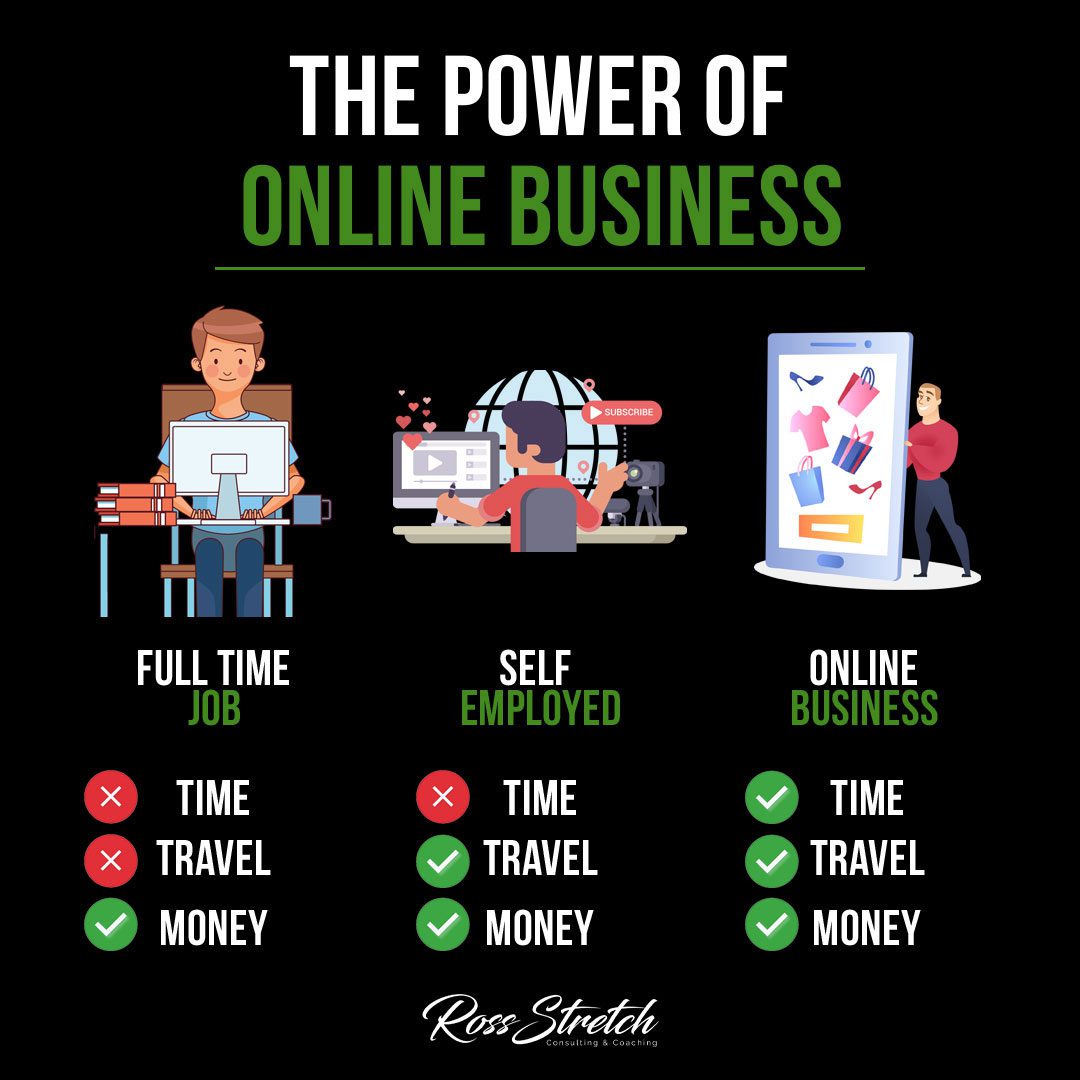
A full-time job provides predictability, but that predictability comes at a price. When you trade hours for a salary, your earning ceiling is fixed. No matter how productive, creative, or hardworking you are, your income is capped by what your employer is willing to pay for a specific role in a specific location.
Beyond income limits, the traditional model demands a significant portion of your most productive hours. Factor in commuting, mandatory meetings, and the dynamics of office life, and you begin to see how much of your time isn’t actually yours. The tradeoff isn’t inherently wrong, but for people who want to build wealth beyond a salary, it sets a hard ceiling that’s difficult to break through without a fundamental change in approach.
Self-employment improves some of these constraints — you control your schedule and set your rates — but you still exchange hours for dollars. If you stop working, income stops. Scaling requires hiring, which introduces overhead and management responsibilities. The freedom feels greater, but the fundamental equation remains largely the same: your time is still the limiting factor.
Why Online Business Changes the Equation
Online business breaks the time-for-money model. A course you record once can sell while you sleep. A blog post you write today can generate affiliate income five years from now. A software product can serve a thousand customers simultaneously without requiring proportionally more of your time. This is the core advantage that makes online business fundamentally different from every other form of income generation most people encounter.
Operational costs are also dramatically lower. A traditional brick-and-mortar business requires rent, inventory, utilities, and local staff. An online business can launch with nothing more than a laptop, an internet connection, and a validated idea. The barriers to entry have collapsed, which means the opportunity is genuinely accessible to anyone willing to build the right skills.
The global reach of an online business creates markets that physical businesses simply cannot access. A local boutique serves its neighborhood. A digital product or e-commerce business serves anyone in the world with an internet connection. That difference in addressable market is the difference between a ceiling and a horizon.
Time Freedom: Working on Your Terms
One of the most underrated benefits of online business is the ability to design your schedule around your life rather than the other way around. Whether you’re most productive at 6 a.m. or midnight, you can structure your work accordingly. This isn’t about working less — most successful online entrepreneurs work intensely, especially in the early stages — it’s about working when and how your brain operates best.
Automation tools make this flexibility sustainable over time. Email sequences, payment processors, content schedulers, and customer service systems can handle routine operations while you focus on high-value activities. Over time, a well-built online business develops infrastructure that continues operating even when you’re traveling, resting, or investing time in your personal life. That compounding effect is what separates building a business from simply doing freelance work with more flexibility.
Income Without Limits: The Scalability Advantage
Scalability is the single most powerful feature of the online business model. When your revenue grows faster than your costs, you’re building real financial freedom. Digital products have near-zero marginal cost — selling your thousandth copy costs essentially the same as selling your first. Online courses, affiliate content, membership communities, and productized services all share this characteristic.
This doesn’t mean income comes easily or immediately. Building an audience, establishing authority, and creating products that genuinely help people takes consistent effort over months and years. But the payoff structure is fundamentally different from employment. The work you put in today creates compounding returns rather than a one-time paycheck. That distinction matters enormously for anyone thinking seriously about long-term wealth building.
Getting Started: What You Actually Need
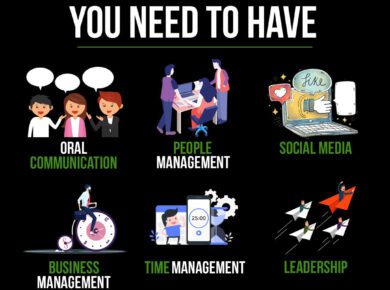
The barrier to starting an online business has never been lower. You don’t need a large startup budget, a team, or years of technical experience. What you do need is a clear understanding of who you want to help, what problem you solve for them, and a consistent commitment to showing up and creating value over time.
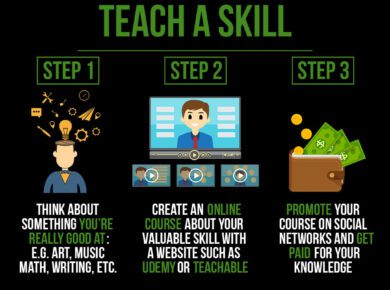
Most successful online businesses begin with one of three models: selling a service (consulting, freelancing, coaching), selling a digital product (course, ebook, templates), or creating content that generates advertising or affiliate revenue. Each has a different time-to-revenue profile and skill requirement, but all three are built on the same foundation — an audience that trusts you and finds your work valuable enough to pay for or recommend.
Start by choosing the model that matches your existing skills and the lifestyle you want to build. A consultant can generate income faster than a blogger, but a content creator can build more passive income over time. Neither path is wrong — the right choice depends on your goals, your patience, and what you’re genuinely good at. The mistake is waiting for perfect conditions instead of starting with what you have now.
Conclusion
Online business is not a magic solution to financial problems, but it is the most powerful vehicle available for anyone who wants to build wealth on their own terms. The combination of low startup costs, global reach, scalability, and time flexibility creates an opportunity that previous generations simply didn’t have. The underlying principles aren’t new — solve a problem, deliver value, build trust — but the tools available today make execution faster and more accessible than ever. The only real question is whether you’re willing to build something that works for you instead of spending your most productive years building someone else’s vision.
Resources


 Ross Stretch