In entrepreneurship, mistakes are not the exception — they are the rule. Whether you are launching your first startup or managing an established company, setbacks are inevitable. What separates businesses that thrive from those that stall is rarely the absence of mistakes. It is how the owner responds when errors occur. Every misstep contains information. Every failure signals that something in your strategy, execution, or communication needs adjustment. The entrepreneurs who build lasting enterprises are those who develop the discipline to recognize mistakes quickly, respond decisively, and extract every lesson available. Here are six proven strategies for turning your biggest setbacks into your greatest competitive advantage.
1. Owning Up: The First Step to Redemption
Accountability is the Foundation of Trust
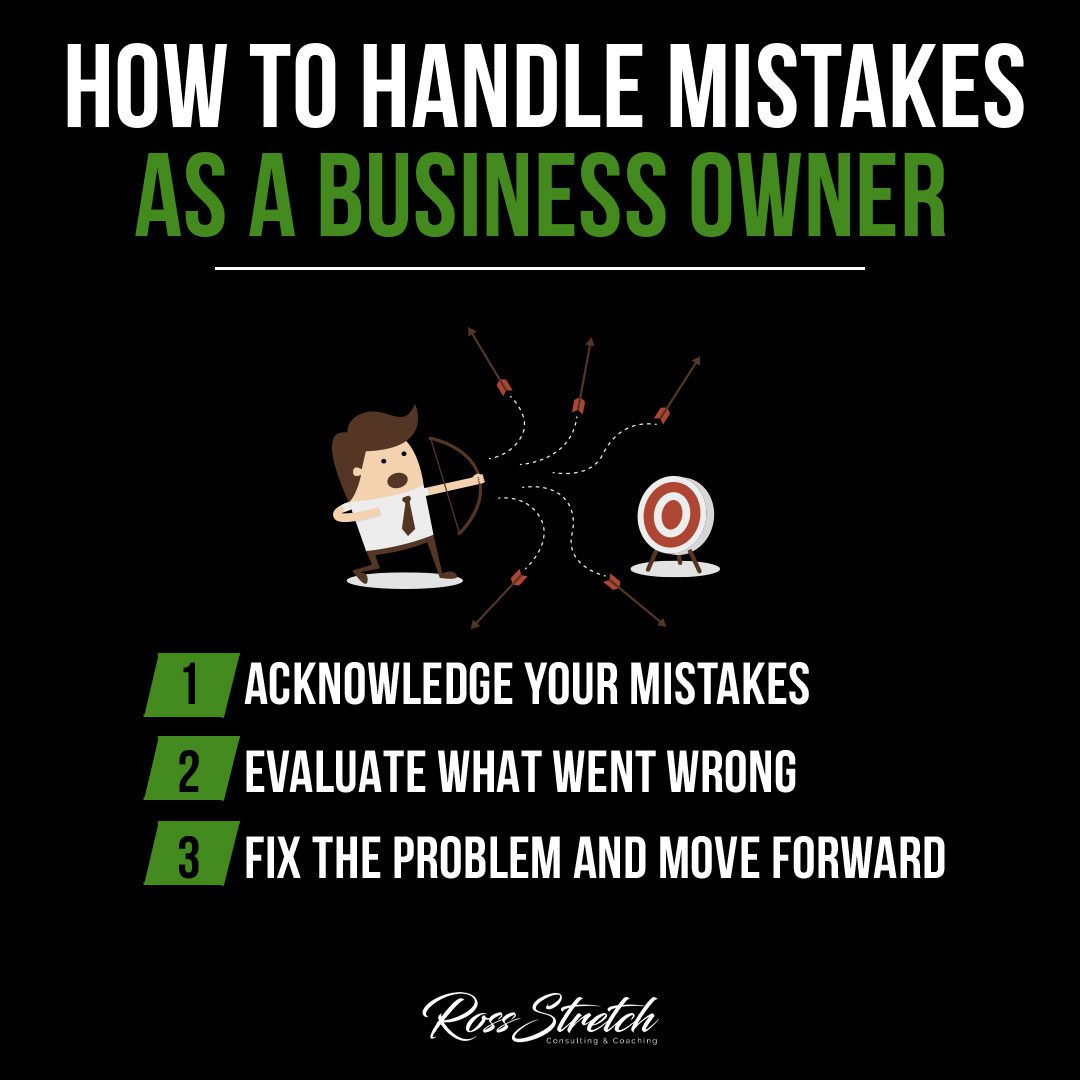
Before you can fix a mistake, you have to own it. A business owner who deflects blame — pointing fingers at employees, market conditions, or bad timing — destroys the trust required to lead effectively. When you take accountability without flinching, you signal to your team and your customers that you are more invested in solutions than in protecting your ego. This posture is rare and powerful. It earns respect, and it shifts the entire team’s energy from defensiveness to problem-solving.
- Actionable Tip: Within 24 hours of identifying a significant error, issue a clear, direct acknowledgment to relevant stakeholders — no caveats, no blame-shifting.
- Why It Works: Psychological safety increases when leaders model accountability. Teams become more willing to surface problems early when they know honesty won’t be punished.
Pro Tip:
Practice the phrase “I got this wrong, and here is what I am doing about it.” That structure — admission plus action — is disarming and immediately redirects focus toward recovery rather than blame.
2. The Analysis Endeavor: Understanding the Underlying Issue
Dig Past the Surface — Find the Root Cause
A surface-level fix rarely prevents recurrence. When a mistake happens, the most valuable thing you can do is conduct a thorough post-mortem analysis. Was the error caused by a gap in process, a breakdown in communication, a technology failure, or a fundamental flaw in your strategy? Understanding the root cause is the only way to build a genuine preventive response. Guessing, or patching symptoms without diagnosing causes, leads to the same problems resurfacing months later under a slightly different form.
- Actionable Tip: Use the “5 Whys” technique — ask “why did this happen?” five consecutive times to reach the true origin of the problem.
- Why It Works: Most business mistakes have systemic causes buried two or three levels beneath what’s visible. Surface analysis leads to surface fixes. Deep analysis leads to lasting improvement.
Pro Tip:
Bring key team members into the post-mortem. The people closest to daily operations often have the clearest view of where processes break down. Inclusive analysis also builds buy-in for the solutions that follow.
3. The Road to Rectification: Beyond the Setback
Fix the Problem, Then Build a Better System
Identifying the root cause is only half the work. Once you know what went wrong, the next step is crafting a structured solution — and building systems that reduce the likelihood of recurrence. This might mean revising your onboarding process, investing in better project management tools, or rethinking how decisions are approved. The goal is not just to resolve the immediate crisis but to come out the other side with stronger infrastructure than you had before the mistake occurred.
- Actionable Tip: After implementing a fix, document what changed and why. Build it into your standard operating procedures so the lesson outlives the moment.
- Why It Works: Businesses that systemize their learnings grow faster than those that rely on individual memory. Systems ensure that hard-won insights don’t evaporate when key people leave.
Pro Tip:
Assign a specific owner to every corrective action with a clear deadline. Vague accountability produces vague results. Concrete ownership drives actual change.
4. Proactive Measures: The Silver Lining in Setbacks
Turn Feedback Into a Competitive Edge
Every mistake your business makes is information that your competitors often don’t have — unless they make the same mistake themselves. The entrepreneurs who gain the most from setbacks are those who institutionalize the lessons: implementing periodic operational reviews, refining quality control standards, and building early warning systems that surface problems before they escalate. Being proactive about learning from the past dramatically reduces the cost of the future.
- Actionable Tip: Schedule a monthly or quarterly review of near-misses and minor errors, not just major failures. Patterns in small problems often predict large ones.
- Why It Works: Small course corrections made early cost a fraction of the resources required to fix large, entrenched problems. Proactive review creates a culture of continuous improvement.
Pro Tip:
Create a simple internal “lessons learned” log that anyone on the team can contribute to. Make it visible and reference it in team meetings. Shared knowledge compounds over time.
5. The Power of Communication: Keeping Stakeholders in the Loop
Transparency Builds Durable Trust
When a significant mistake happens, how you communicate it to stakeholders — employees, investors, clients, or the public — matters almost as much as how you fix it. Silence or evasiveness invites speculation, which is almost always more damaging than the actual error. Transparent communication that acknowledges the problem, outlines the impact, and describes the corrective steps demonstrates leadership maturity. It reinforces that your brand is built on integrity, not just performance.
- Actionable Tip: Communicate early, even if you don’t have all the answers yet. A timely “we are aware of the issue and working on it” message beats a polished statement that arrives three days too late.
- Why It Works: Research consistently shows that customers and employees are more forgiving of mistakes when they feel informed and respected. The cover-up is almost always worse than the original error.
Pro Tip:
After a major error, follow up with stakeholders once the fix is in place. Close the loop explicitly. This “here is what we changed” message is often more trust-building than the initial acknowledgment itself.
6. Embracing Growth: The Continuous Learning Curve
Build a Culture Where Learning Outranks Blame
The companies that sustain long-term growth share a common trait: they treat mistakes as learning events, not personal failures. This cultural posture requires intentional leadership. When employees see that errors are examined constructively rather than weaponized for blame, they become more willing to take smart risks, experiment with new ideas, and surface problems before they grow. A blame-free learning culture is one of the most powerful — and rarest — competitive advantages available to any business.
- Actionable Tip: When a team member makes an honest mistake, lead with curiosity instead of criticism. Ask “what did we learn?” before addressing performance concerns.
- Why It Works: Psychological safety — the belief that speaking up won’t result in punishment — is the single strongest predictor of high-performing teams, according to Google’s Project Aristotle research.
Pro Tip:
Consider recognizing a “best failure of the quarter” in team meetings — a mistake that produced an important insight. Normalizing the conversation about failure makes it a tool rather than a taboo.
Conclusion
Entrepreneurship is not a straight line. It is a series of decisions, adjustments, and yes — mistakes. The difference between business owners who plateau and those who build enduring companies often comes down to this: the willingness to confront errors honestly, analyze them rigorously, and extract every usable insight. Mistakes are not detours from success. Handled well, they are the road itself. Master your response to setbacks, and you will have developed one of the most durable skills in business.
Resources


 Ross Stretch