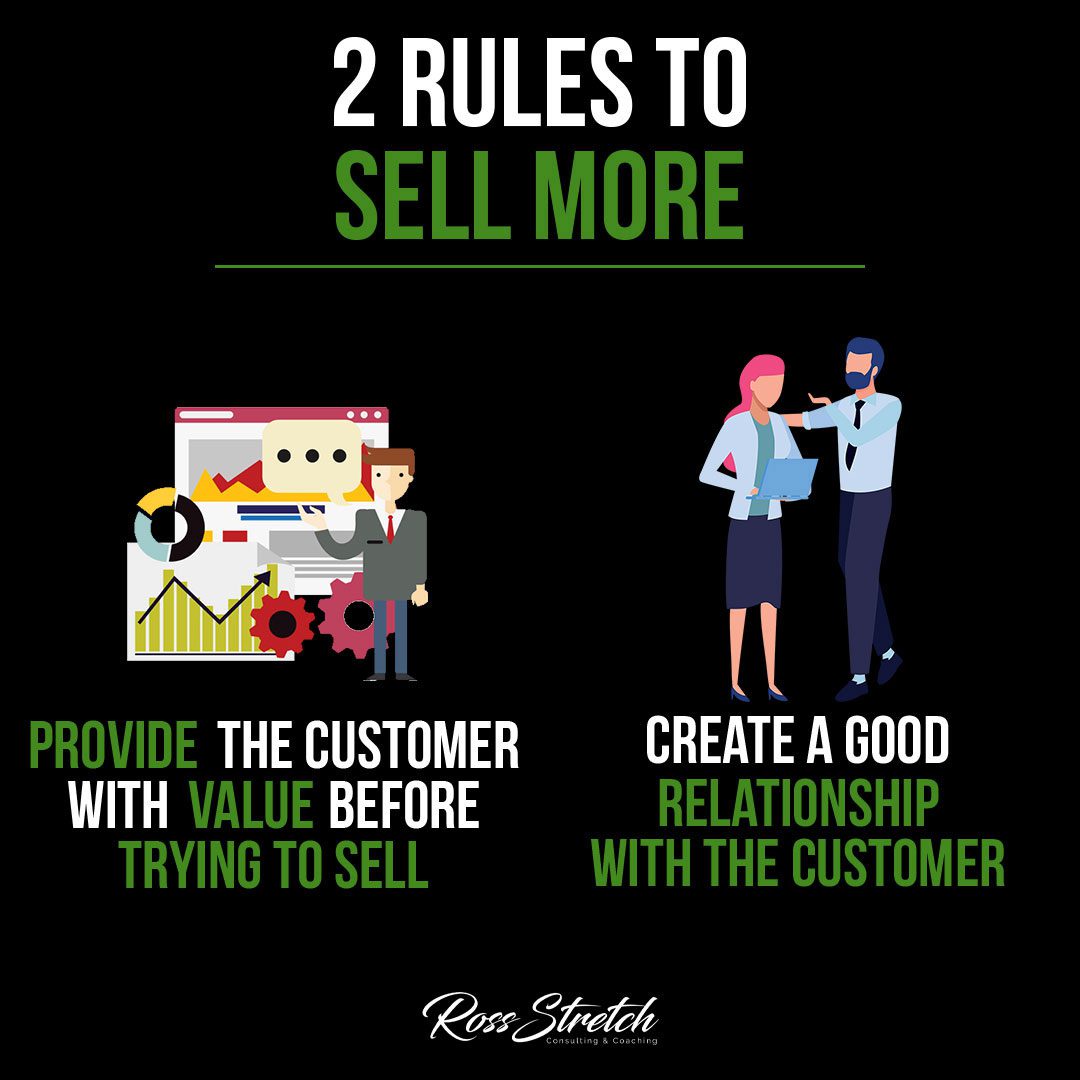

In the fast-paced world of business, chasing the next transaction often overshadows what actually drives sustainable revenue: genuine customer relationships and value-based selling. The most successful salespeople and entrepreneurs don’t just close deals — they build ecosystems of trust that generate repeat business, referrals, and long-term loyalty. Understanding the interplay between providing real value and building authentic connections is the difference between a one-time sale and a lifelong customer.
\
\
\
\
The Foundation of Value-Based Selling
\
\
Value-based selling begins with a fundamental shift in mindset: stop thinking about what you want to sell and start thinking about what the customer needs to solve. This means doing the hard work of understanding your customer’s world — their goals, frustrations, constraints, and aspirations — before you ever mention your product or service.
\
\
Value isn’t simply defined by price or features. A customer who pays $500 for something that saves them 10 hours per week experiences enormous value. A customer who pays $20 for something that collects dust does not. The key is to align your offering with outcomes that genuinely matter to the buyer. Ask the right questions. Listen more than you pitch. Map your solution to their specific problem.
\
\
When you position yourself as a problem-solver rather than a product-pusher, prospects respond differently. They become collaborators in finding a solution, not targets in a transaction.
\
\
\
\
The Pre-Sale Experience: Building Trust Before the Transaction
\
\
One of the most powerful things you can do in sales is offer meaningful value before asking for anything in return. This pre-sale phase shapes the entire relationship and significantly influences whether a prospect becomes a customer.
\
\
This might take the form of free educational content — blog posts, videos, guides — that helps your audience solve real problems. It could mean offering a no-pressure consultation, a free trial, or a demonstration that lets the prospect experience your solution firsthand. The goal isn’t to give everything away; it’s to prove that you genuinely understand their world and have something worthwhile to offer.
\
\
When prospects feel that a business has already helped them, they bring a different level of trust to the sales conversation. The psychological principle of reciprocity is at work here: people naturally want to give back to those who have given to them. By investing in the relationship upfront, you dramatically reduce resistance later.
\
\
\
\
Creating Genuine Customer Relationships
\
\
The businesses that thrive over the long term don’t view each sale as a finish line — they view it as a starting point. Every transaction is an opportunity to deepen a relationship, gather insights, and set the stage for future interactions. This requires treating customers as individuals with evolving needs, not as entries in a CRM system.
\
\
Building genuine relationships means investing time in understanding your customers beyond the sale. What are their larger goals? How has their situation changed since you last spoke? Are there adjacent problems you could help solve? Regular, non-transactional touchpoints — a relevant article, a quick check-in, an invite to an exclusive event — signal that you care about the relationship, not just the revenue.
\
\
This approach also creates natural opportunities for upselling and cross-selling, but in a way that feels helpful rather than pushy. When customers trust you and believe you have their best interests at heart, they’re receptive to new offerings rather than guarded against them.
\
\
\
\
Transparent Communication as a Competitive Advantage
\
\
Honesty in sales is not a weakness — it’s a strategic differentiator. In a marketplace crowded with overpromising and underdelivering, transparency stands out. Being upfront about what your product can and cannot do, what the realistic timeline looks like, and what the true cost involves builds a foundation of credibility that’s hard to erode.
\
\
Customers who receive honest communication during the sales process are less likely to experience buyer’s remorse, less likely to request refunds, and more likely to refer others. They entered the relationship with accurate expectations, which means you had a real opportunity to meet or exceed them.
\
\
Transparent communication also means being responsive when things go wrong. Mistakes happen in every business. The way you handle them — with accountability, speed, and a genuine effort to make things right — often matters more to customer loyalty than the mistake itself.
\
\
\
\
Post-Sale Engagement: Where Loyalty Is Built
\
\
The sale is not the end of the sales cycle — it’s the beginning of the customer success phase. What happens after the transaction determines whether a customer becomes a repeat buyer, a referral source, or someone who quietly moves on to a competitor.
\
\
Effective post-sale engagement includes structured onboarding for complex products, regular check-ins to ensure the customer is getting value, and proactive outreach when new features or improvements are relevant to them. Loyalty programs, exclusive community access, and customer appreciation efforts all reinforce the message that this is a long-term partnership, not a single exchange.
\
\
Soliciting feedback is equally important. Customers who are asked for their opinion feel valued. The insights they provide help you improve, and the act of asking itself strengthens the relationship. Close the loop by telling customers what you did with their feedback — this builds confidence and demonstrates that their input actually matters.
\
\
\
\
Turning Customers into Advocates
\
\
The highest form of sales success is a customer who sells for you. Brand advocates — customers who enthusiastically recommend your business to others — are the result of sustained value delivery and genuine relationship investment. They are more persuasive than any advertisement and more cost-effective than any acquisition campaign.
\
\
Creating advocates requires consistently delivering on your promises, occasionally surprising customers with unexpected generosity, and making it easy for satisfied customers to share their experience. Ask for testimonials and referrals at the right moment — typically when a customer has just experienced a clear win with your product or service. Make the ask specific and simple: a LinkedIn recommendation, a short written testimonial, or an introduction to a peer who faces similar challenges.
\
\
When your customers become your salespeople, you’ve built something that compounds over time. Each new customer brought in through a referral arrives pre-sold on your value and pre-disposed to trust you — the ideal conditions for building yet another lasting relationship.
\
\
\
\
Conclusion
\
\
The businesses that win over the long term are not the ones with the cleverest closing techniques — they’re the ones that make their customers’ lives genuinely better and then continue to invest in that relationship. By leading with value, communicating with transparency, and committing to the customer beyond the transaction, you build not just a sales pipeline but a community of loyal advocates who fuel sustainable growth.
\
\
\
\
Resources
\
\
- \
- SPIN Selling by Neil Rackham — The definitive guide to value-focused consultative selling
- Harvard Business Review: Stop Trying to Delight Your Customers — A data-driven look at what actually drives customer loyalty
- HubSpot: What Is Value-Based Selling? — A practical introduction to the methodology
- Never Split the Difference by Chris Voss — High-stakes negotiation principles applied to everyday sales
\
\
\
\

 Ross Stretch