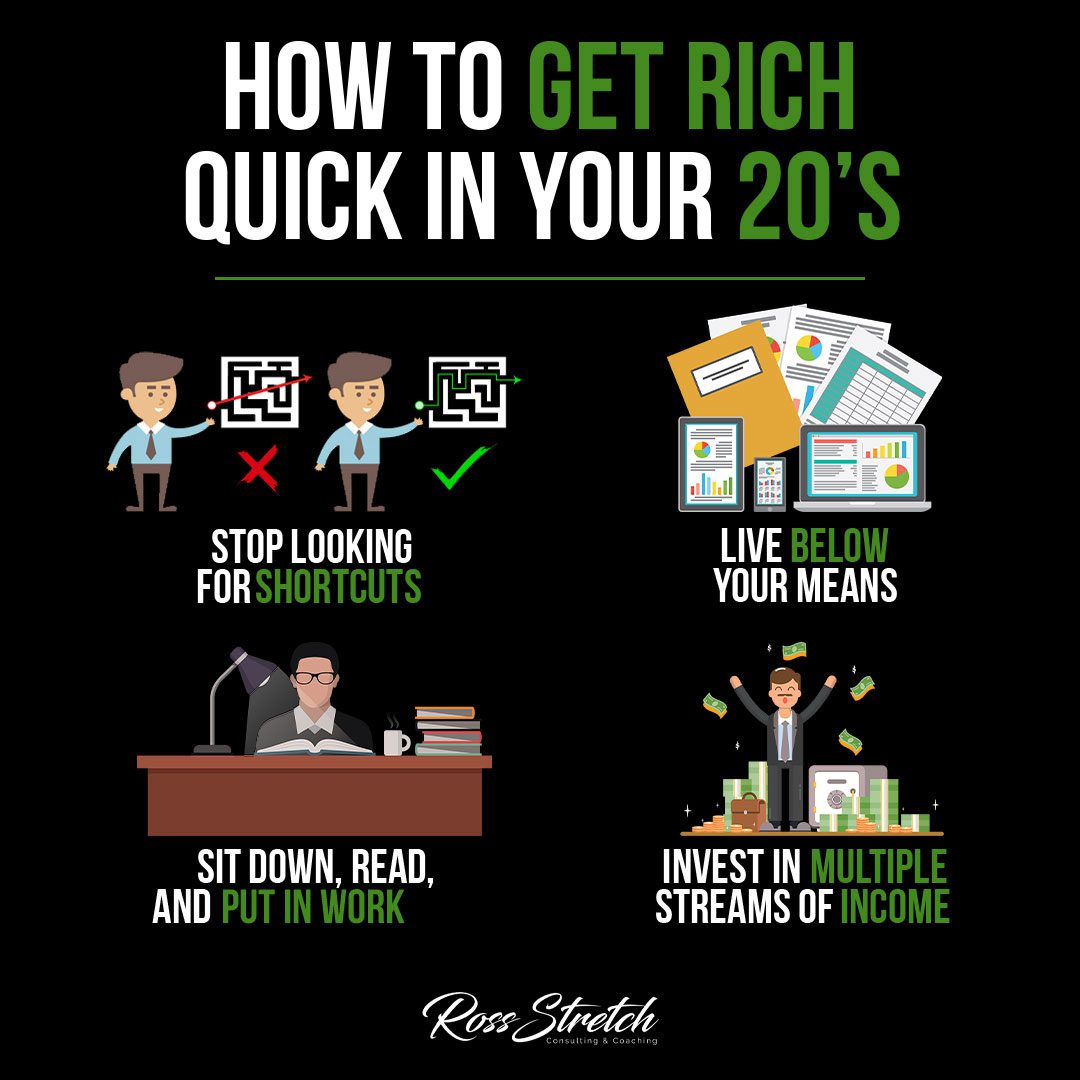
Your twenties are the most powerful decade for building wealth — not because you’ll earn the most, but because time and compounding are on your side. Yet most financial advice aimed at young adults either oversells “get rich quick” fantasies or buries the practical steps under jargon. The reality is simpler and harder: building lasting financial security in your twenties comes down to a handful of habits, executed consistently over years. This guide cuts through the noise and gives you a concrete roadmap.
Why This Matters
The single biggest advantage you have in your twenties isn’t your salary — it’s time. A 25-year-old who invests $300 per month at a 7% average annual return will have approximately $750,000 by age 65. The same person who waits until 35 to start will accumulate less than half that amount, even with identical contributions. Compound interest rewards early starters disproportionately, which means every year you delay costs you far more than the money you think you’re saving by waiting.
The financial habits you build in your twenties also set psychological patterns that are difficult to break later. Someone who learns to live below their means at 24 will find it natural at 34 and 44. Someone who defaults to lifestyle inflation — spending more every time income rises — builds a trap that tightens over time. Getting your financial foundations right now isn’t just about the money. It’s about building the decision-making habits that determine your financial trajectory for decades.
How to Build Real Wealth in Your Twenties
Step 1: Reject the Shortcut Mentality and Get Financially Educated
The “get rich quick” mindset is genuinely dangerous, not just ineffective. It drives people toward high-risk bets, predatory schemes, and impulsive decisions that erase savings. The first step is accepting that sustainable wealth is built slowly — and then getting serious about understanding how money actually works. Read one personal finance book this month. Listen to finance podcasts during your commute. Follow credible, conflict-free resources. The goal isn’t to become an expert — it’s to stop making decisions based on ignorance or social media hype.
- Read at least one personal finance book in the next 30 days — I Will Teach You To Be Rich and The Psychology of Money are strong starting points
- Follow reputable finance resources like NerdWallet or Investopedia for ongoing education
- Avoid: crypto influencers, “passive income” courses, or anyone promising 50%+ returns with no downside
Step 2: Build a Budget That Actually Works
You cannot save what you don’t track. A budget doesn’t mean deprivation — it means knowing exactly where your money goes and making intentional choices. The 50/30/20 framework is a simple starting point: 50% of after-tax income on needs, 30% on wants, and 20% on savings and debt repayment. Before anything else, build a three-to-six month emergency fund in a high-yield savings account. Without this cushion, any unexpected expense forces you to liquidate investments or take on debt, derailing your entire financial plan.
- Track every expense for 30 days using an app like YNAB or a simple spreadsheet
- Set up automatic transfers to savings on payday, before any discretionary spending occurs
- Avoid: treating your emergency fund as accessible spending money — it is insurance, not savings
- Avoid: budgeting systems so complicated you abandon them after a week — simplicity wins
Step 3: Invest in Yourself First
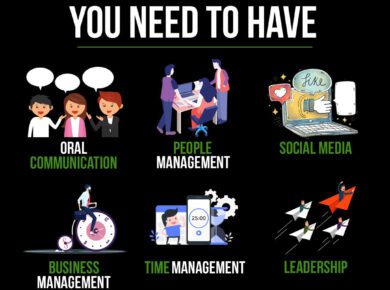
The highest-return investment available to a 25-year-old is often themselves. A certification, a skill course, or deliberate self-study can dramatically increase your earning potential over an entire career. A 10% salary increase at 26 compounds more powerfully than a 10% investment return, because you earn it every year going forward. Seek mentorship from people five to ten years ahead of you. Develop transferable skills — communication, data analysis, project management, writing — that remain valuable across industries and economic cycles.
- Identify one skill gap that, if closed, would increase your income or career options within 12 months
- Allocate dedicated time weekly — not just money — to professional development
- Avoid: spending on credentials that don’t translate to demonstrable real-world opportunities
Step 4: Start Investing Early, Even With Small Amounts
You don’t need thousands of dollars to start investing — you need to start. If your employer offers a 401(k) match, contribute enough to capture the full match immediately; that’s a guaranteed 50–100% return on those dollars. Open a Roth IRA if you qualify and contribute whatever you can afford — even $50 per month builds the habit and benefits from decades of growth. Index funds, which track the broader market at low cost, are broadly recommended for beginner investors. The goal at this stage is to build the habit of investing, not to time the market or pick individual stock winners.
- Capture your full employer 401(k) match before allocating money anywhere else
- Open a Roth IRA through a low-cost provider like Fidelity or Vanguard
- Avoid: actively managed funds with high expense ratios — they underperform index funds over time in most cases
- Avoid: waiting until you have “enough” to invest — the cost of delay is enormous
Step 5: Create Multiple Income Streams
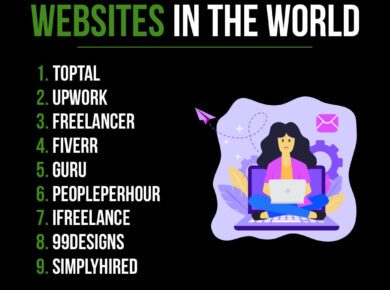
Relying on a single source of income is a fragile financial position. Developing additional income streams — through freelancing, a side business, dividend-paying investments, or rental income — creates resilience and accelerates savings. In your twenties, your time is more abundant than your capital, which makes service-based side income particularly accessible. Any additional income should be directed toward debt repayment, investment, or emergency reserves — not lifestyle upgrades. The temptation to expand spending as income grows is the most common way people stay financially stuck despite earning more.
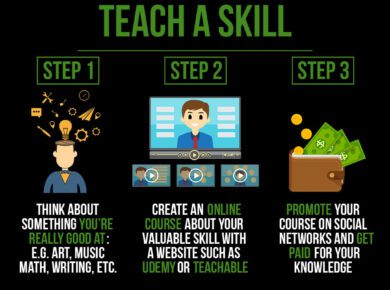
- Identify one marketable skill you could monetize outside your primary job
- Start small — one client or project is enough to test the market and build momentum
- Avoid: side businesses requiring significant upfront capital before you’ve validated real demand
Step 6: Manage Debt Strategically
Not all debt is equal. High-interest consumer debt — particularly credit card balances at 20%+ APR — destroys wealth faster than almost any investment can build it. Pay these off aggressively using the avalanche method (highest interest rate first) or the snowball method (smallest balance first, for psychological momentum). Student loans and mortgages carry lower rates and can be managed more patiently. Build your credit score deliberately: pay bills on time, keep credit utilization below 30%, and avoid opening unnecessary accounts. A strong credit score reduces the cost of every major financial transaction you’ll make for the rest of your life.
- List all debts by interest rate and create a clear payoff timeline
- Set credit card payments to auto-pay the full balance each month to avoid interest entirely
- Avoid: carrying a revolving credit card balance as a regular financial strategy
- Avoid: closing old credit accounts, which can damage your credit utilization ratio and score
Common Mistakes to Avoid
- Lifestyle inflation: Immediately expanding your spending every time your income increases, leaving nothing additional for savings or investment — the most common wealth trap in your twenties.
- Skipping the emergency fund: Investing without cash reserves forces you to liquidate investments at a loss when unexpected expenses hit, erasing your progress.
- Neglecting retirement accounts: The compounding advantage lost by waiting even five years is enormous and can never be fully recovered, regardless of how aggressively you save later.
- Comparing your finances to peers: Social media projections of wealth rarely reflect actual financial health. Comparison drives poor spending decisions and distracts from your own plan.
- Making decisions based on fear or FOMO: Panic-selling during market downturns or chasing trending investments destroys long-term returns for the average retail investor.
Conclusion
Building wealth in your twenties isn’t about finding the right hack or timing the right investment. It’s about mastering a small set of fundamentals — spending intentionally, investing early and consistently, developing your skills, and avoiding high-cost debt — and repeating them until they become automatic. The people who build real, lasting financial security rarely got there through one brilliant move. They got there through dozens of ordinary decisions made correctly over years.
Start today. Open that investment account, set up that automatic savings transfer, or block out an hour to map your current spending. You don’t need to get everything right at once — you need to start building momentum. Your future self will benefit enormously from the choices you make right now, and every month you delay is compounding working against you instead of for you.
Resources
- Investopedia Personal Finance Guide — Comprehensive explanations of budgeting, investing, and debt management fundamentals.
- NerdWallet: How to Start Investing — Practical, beginner-friendly guidance on opening investment accounts and choosing funds.
- Consumer Financial Protection Bureau: Retirement Savings Tools — Government resources on 401(k) and IRA contribution options and limits.
- IRS Roth IRA Overview — Official eligibility rules, contribution limits, and tax treatment for Roth IRAs.

 Ross Stretch