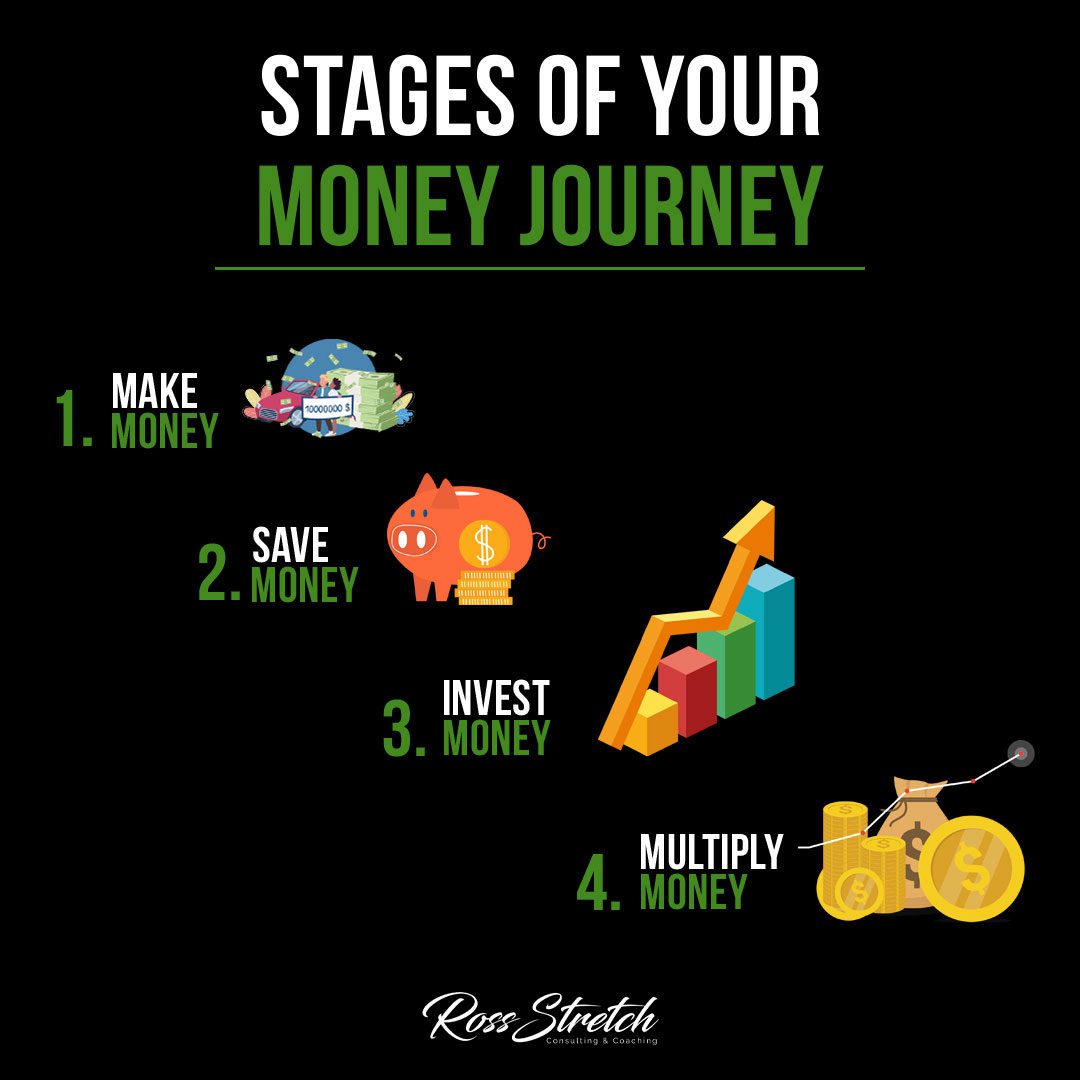
The road to financial freedom is not a single destination — it is a progression through distinct stages, each building on the last. Understanding where you are in your money journey gives you the clarity to make smarter decisions, avoid common pitfalls, and accelerate your path to lasting wealth. Whether you are just starting out or already building a portfolio, knowing which stage you are in — and what it demands — is one of the most powerful financial tools available to you.
Stage One: Making Money
Every financial journey starts with income. Without it, there is nothing to save, invest, or grow. The first stage is about establishing a reliable stream of earnings — through employment, freelancing, or entrepreneurship — and, critically, maximizing that stream over time. But not all income is created equal. The goal here is not just to earn, but to earn strategically.
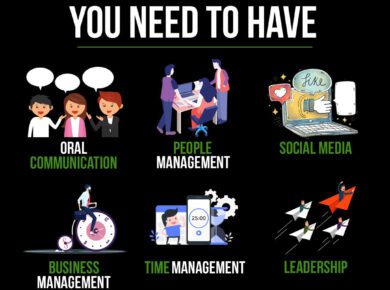
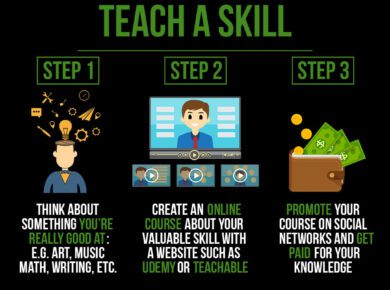
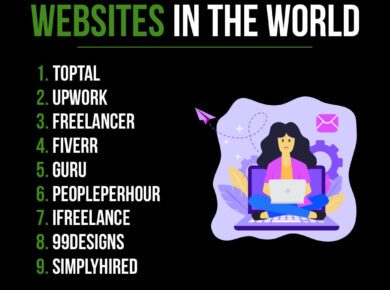
Harnessing your earning potential means identifying where your skills and the market’s demand overlap. High-income skills — software development, sales, copywriting, financial analysis, skilled trades — command premium pay and remain in constant demand. If your current income feels stagnant, consider investing in certifications, targeted online courses, or mentorship that moves you into a higher bracket. Networking matters too: most career advances come through relationships, not job postings.
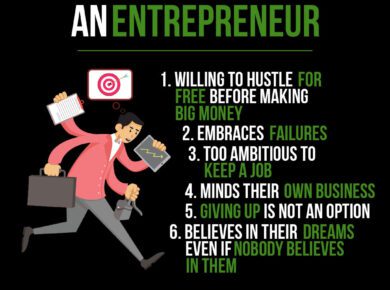
Entrepreneurs in this stage are focused on finding product-market fit, landing first clients, and scaling a side income to replace a salary. The key metric is simple: are you generating more than you spend? If yes, you can advance. If not, optimizing income is the priority before anything else.
Stage Two: Saving Money
Once income is established, the next challenge is keeping a meaningful portion of it. Saving creates breathing room — a buffer between you and financial emergencies, and a launchpad for future investments. The biggest danger at this stage is lifestyle inflation: as income rises, so do expenses, leaving the savings rate unchanged despite earning more.
Effective saving begins with a clear budget. Tracking your expenses for even one month reveals surprising patterns. Most people find 15 to 20 percent of their spending goes to categories they would happily cut. The 50/30/20 framework — 50 percent to needs, 30 percent to wants, 20 percent to savings and debt repayment — is a solid starting point, though pushing the savings rate higher accelerates every stage that follows.
An emergency fund is non-negotiable here. Aim for three to six months of living expenses held in a high-yield savings account. This reserve prevents you from liquidating investments during market downturns or taking on debt when an unexpected expense hits. Until this cushion exists, financial progress remains fragile — one bad month can undo months of discipline.
Stage Three: Investing Money
Savings preserve wealth. Investing grows it. At stage three, you are putting money to work through assets that generate returns — stocks, bonds, real estate, index funds, or a combination. The power of compounding means the earlier you start and the more consistently you invest, the more dramatic the long-term results become.
The most accessible entry point for most people is a tax-advantaged account — a 401(k), RRSP, or TFSA depending on where you live. Contributing enough to capture any employer match is a guaranteed 50 to 100 percent return on that portion of your money before the market even enters the picture. From there, a diversified portfolio of low-cost index funds provides broad market exposure with minimal fees and no stock-picking required.
Real estate is another common vehicle at this stage. Rental properties can provide both appreciation and monthly cash flow, though they require more active management and upfront capital. Emotional discipline — staying invested during downturns — accounts for more of long-term investment returns than any individual asset selection. The best investment is ultimately the one you understand well enough to hold through volatility.
Stage Four: Multiplying Money
Stage four is where wealth compounds on itself. Your investments are generating returns that can be reinvested, your business may have reached meaningful scale, and passive income streams reduce your reliance on active work. The focus shifts from accumulation to optimization — protecting what you have built while continuing to grow it.
Multiplying money often involves taking calculated risks with a portion of your portfolio — angel investing, real estate development, business acquisitions, or launching new ventures. With a solid financial foundation beneath you, you can afford to bet on higher-upside opportunities that were not viable in earlier stages.
Tax efficiency becomes critical here. Working with a financial advisor or accountant to optimize your structure — through holding companies, trusts, or strategic account withdrawals — can preserve a significant portion of wealth that would otherwise go to taxes. At stage four, how you manage money matters as much as how much you make. This is also the stage where many people begin giving intentionally, whether to family, causes, or their communities.
Conclusion: Your Journey, Your Timeline
The four stages of the money journey are not strictly linear, and that is fine. Some people reach investing before fully completing their savings foundation. Others cycle back to stage one after a major life change. What matters is understanding where you are, what the current stage requires, and what comes next. Financial freedom is not reserved for the privileged — it is the result of deliberate choices made consistently over time. Master each stage, and the next one becomes attainable.
Resources

 Ross Stretch