
Life is full of traps — patterns of thinking and behavior that feel harmless in the moment but silently undermine everything we’re trying to build. Understanding these pitfalls is the first step toward avoiding them. The people who achieve meaningful, lasting success aren’t necessarily more talented — they’ve simply learned to recognize and sidestep the obstacles that derail most people.
1. The Comparison Trap
In the age of social media, comparing yourself to others has never been easier — or more destructive. You see the curated highlights of everyone else’s life and measure them against your own behind-the-scenes reality. This is a guaranteed formula for inadequacy and inaction.
Comparison shifts your focus from your own progress to someone else’s position. Instead of asking ‘Am I growing?’ you start asking ‘Why aren’t I where they are?’ — a question that has no productive answer.
The Fix:
Compete only with yesterday’s version of yourself. Track your own metrics: skills developed, habits built, goals achieved. Your journey has a unique timeline that no one else’s life can measure.
2. Avoiding Discomfort at All Costs
Growth requires discomfort — period. Every meaningful achievement lies just outside your comfort zone. Yet most people unconsciously organize their entire lives around avoiding discomfort: avoiding difficult conversations, easy excuses for skipping workouts, staying in jobs they hate because leaving feels scary.
Comfort is the enemy of growth. When you consistently choose the easier path, you gradually shrink the range of what you believe you’re capable of — and that belief becomes self-fulfilling.
The Fix:
Practice deliberate discomfort. Each week, do at least one thing that makes you uncomfortable. Cold outreach, a hard conversation, a challenging physical activity. Over time, your tolerance for discomfort expands dramatically.
3. The Victim Mindset
Nothing kills potential faster than consistently seeing yourself as a victim of circumstances. When you attribute your situation entirely to external forces — your background, your luck, other people’s actions — you give away the only thing that actually matters: your agency.
The victim mindset is seductive because it removes responsibility. But it also removes power. You cannot change what you refuse to own.
The Fix:
Practice radical responsibility. For any negative outcome in your life, ask: ‘What role did I play in this, and what can I do differently?’ This isn’t about blame — it’s about reclaiming control.
4. Surrounding Yourself With the Wrong People
Your environment — especially the people in it — shapes your beliefs, habits, and outcomes more than almost anything else. Consistently negative, small-thinking, or toxic people don’t just drain your energy; they subtly reshape your standards and expectations over time.
The Fix:
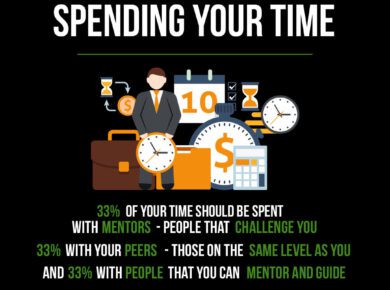
Audit your inner circle honestly. Identify relationships that drain vs. energize you. Spend more time with people who challenge you, celebrate your growth, and operate at the level you aspire to. If that circle doesn’t exist yet, build it — online communities, local groups, and professional networks can all provide it.
5. Short-Term Thinking
Most people significantly overestimate what they can accomplish in one year and dramatically underestimate what they can achieve in ten. This bias toward short-term results leads to constant frustration and the abandonment of strategies that would have paid off — if only given enough time.
The Fix:
Develop a long-term lens by asking: ‘Will this matter in five years? In ten?’ Invest in skills, relationships, and habits that compound over decades. Make decisions with your future self in mind — not just the person you are today.
Navigating Toward a Better Life
Awareness is the first step. When you can recognize these pitfalls in real time — in your thoughts, your decisions, your conversations — you gain the power to choose differently. The path to a fulfilling life isn’t free of obstacles; it’s traveled by people who have learned to see them coming and step around them with intention.

 Ross Stretch