In a culture that glorifies busyness, free time is often treated as a liability rather than an asset. But the most successful entrepreneurs, investors, and professionals tend to be remarkably intentional about their unstructured hours. How you spend your downtime shapes your skills, your mindset, and ultimately your financial trajectory. The gap between stagnation and meaningful growth often comes down not to talent or luck, but to what you do when nothing is scheduled and no one is watching.
Why Rest Is Part of the Strategy
Rest is not the opposite of productivity — it is a prerequisite for it. Research consistently shows that the brain consolidates learning, generates creative insights, and solves complex problems during periods of low-stimulation downtime. Pushing through exhaustion does not just reduce output quality; it erodes decision-making ability, which has real financial and professional consequences over time.
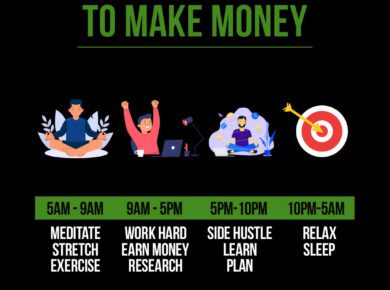
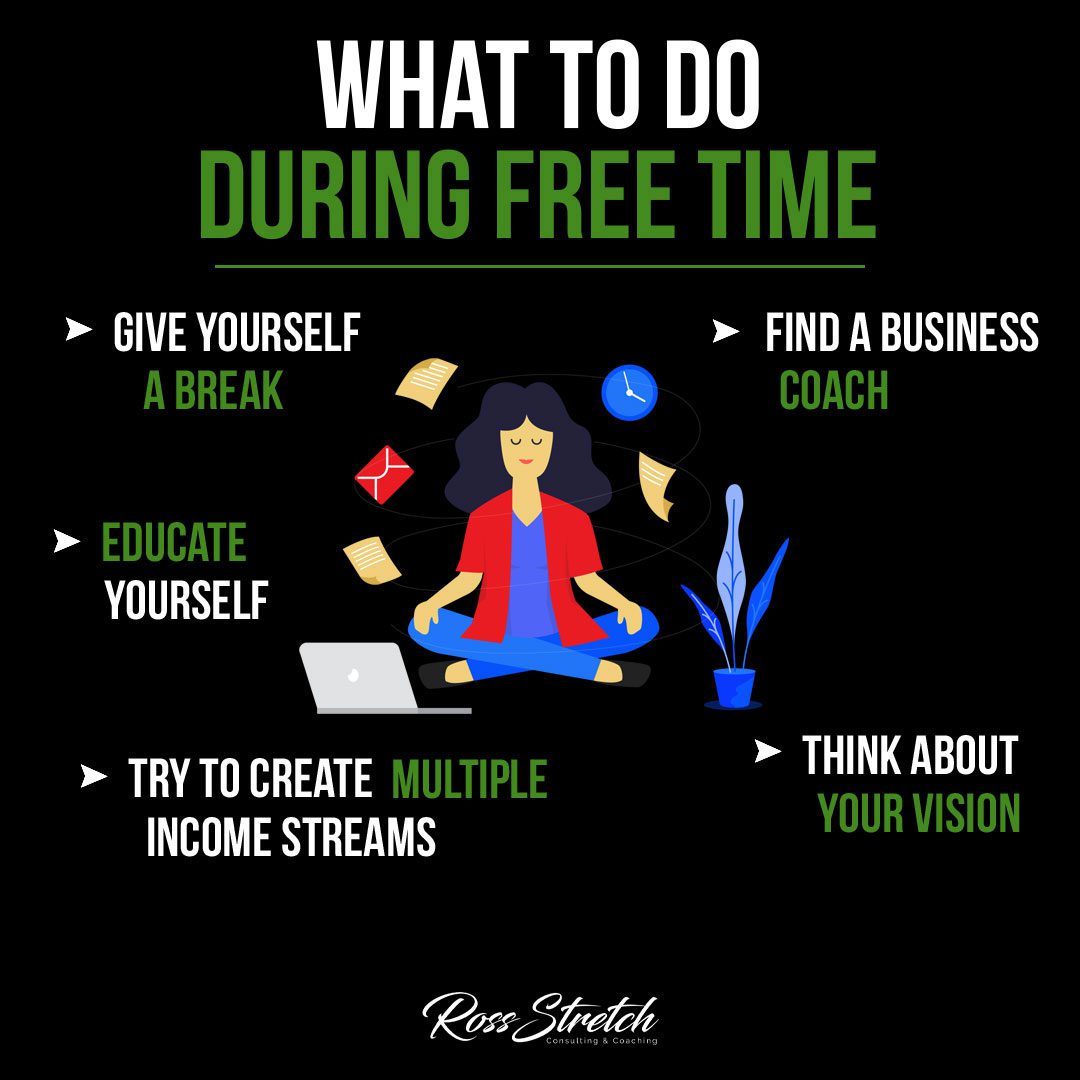
Strategic rest looks different for everyone. For some it is 20 minutes of daily meditation. For others it is a weekly hike without a podcast, time spent cooking, or an hour reading fiction before bed. The goal is not to fill every gap with productivity content — it is to give your nervous system what it needs to function at a high level when it counts. Schedule recovery the same way you schedule meetings, because without it, your best thinking stays out of reach.
Continuous Learning as a Competitive Advantage
The knowledge economy rewards people who know things others do not. Free time is your most accessible opportunity to close skill gaps, explore adjacent fields, and stay ahead of change. This does not require formal education — a focused reading habit, a handful of quality online courses, or regular engagement with industry publications can be transformative over the course of a year.
The key is specificity. Rather than consuming broadly and shallowly, identify two or three areas where deeper knowledge would most directly advance your income, business, or investment results. If you are building a service business, studying sales psychology and client communication may be your highest-leverage investment. If you are a long-term investor, behavioral economics and financial history pay dividends for decades. Platforms like Coursera, Udemy, and LinkedIn Learning offer professional-grade content at low cost, and public libraries provide free access to audiobooks and digital courses through services like Libby.
Using Downtime to Clarify Your Vision
Clarity does not emerge from busyness — it requires stillness. Free time is the ideal context for strategic reflection: reviewing your current trajectory, questioning assumptions, and making sure your daily actions are aligned with your long-term goals. Many people spend years working hard in a direction that no longer serves them simply because they never paused long enough to reassess.
A practical approach is a quarterly review — a few focused hours spent answering honest questions. What is working? What is not? Where am I spending time that does not match my stated priorities? What would I do differently next quarter? This kind of structured reflection has a compounding effect on decision quality. Journaling, thinking through goals with a trusted peer, or simply sitting without an agenda can surface insights that months of busy work will not reveal.
Building Income Streams in Your Off-Hours
Free time is where most side businesses and investment strategies are born. The hours between your primary obligations are finite but real — and even modest, consistent investments of time compound into significant outcomes over months and years. Starting a newsletter, creating digital products, building a portfolio of rental properties, or learning a marketable skill are all ventures that began in someone’s evenings and weekends.
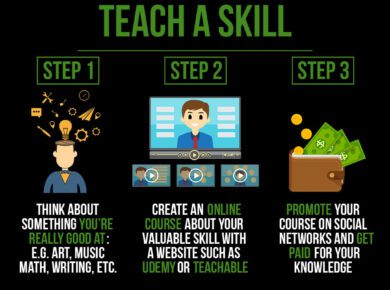
The key is to choose projects with leverage. Time spent building a course or writing a book continues to pay returns long after the initial effort. Time spent on one-off gigs trades hours for dollars without building anything durable. If your goal is financial independence, prioritize projects that create assets — things that generate value when you are not actively working on them. Start narrow: instead of planning an entire business, identify one problem you can solve for a specific group of people and spend five free evenings validating whether anyone would pay for the solution. Most successful businesses started exactly that way.
The Role of Mentorship and Accountability
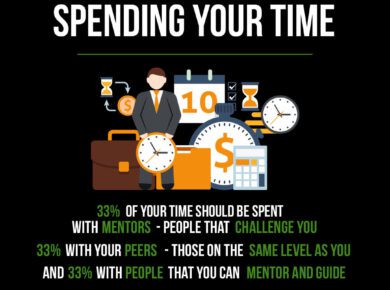
One of the highest-value uses of free time is investing in relationships that accelerate your growth. A mentor, business coach, or mastermind group can compress your learning curve by years — helping you avoid mistakes they have already made and giving you access to frameworks and networks that would otherwise take much longer to build on your own.
Accountability structures also change behavior. When you have committed to a goal in front of someone whose opinion matters to you, follow-through increases dramatically. Free time spent in high-quality conversations — with people who challenge your thinking and hold you to your own stated standards — is rarely wasted. Look for peer groups in your industry, local entrepreneur meetups, or online communities built around specific goals you are pursuing.
Conclusion: Intentional Time Is Compounding Time
The habits you build during your free time are the invisible architecture of your future. Rest, learning, reflection, side projects, and meaningful relationships — each individually valuable, collectively transformative. The people who achieve the most are not always the hardest workers during scheduled hours. They are often the ones who are most thoughtful about the hours in between. Start treating your free time like the finite resource it is, and the returns will compound in ways you cannot fully anticipate.
Resources

 Ross Stretch