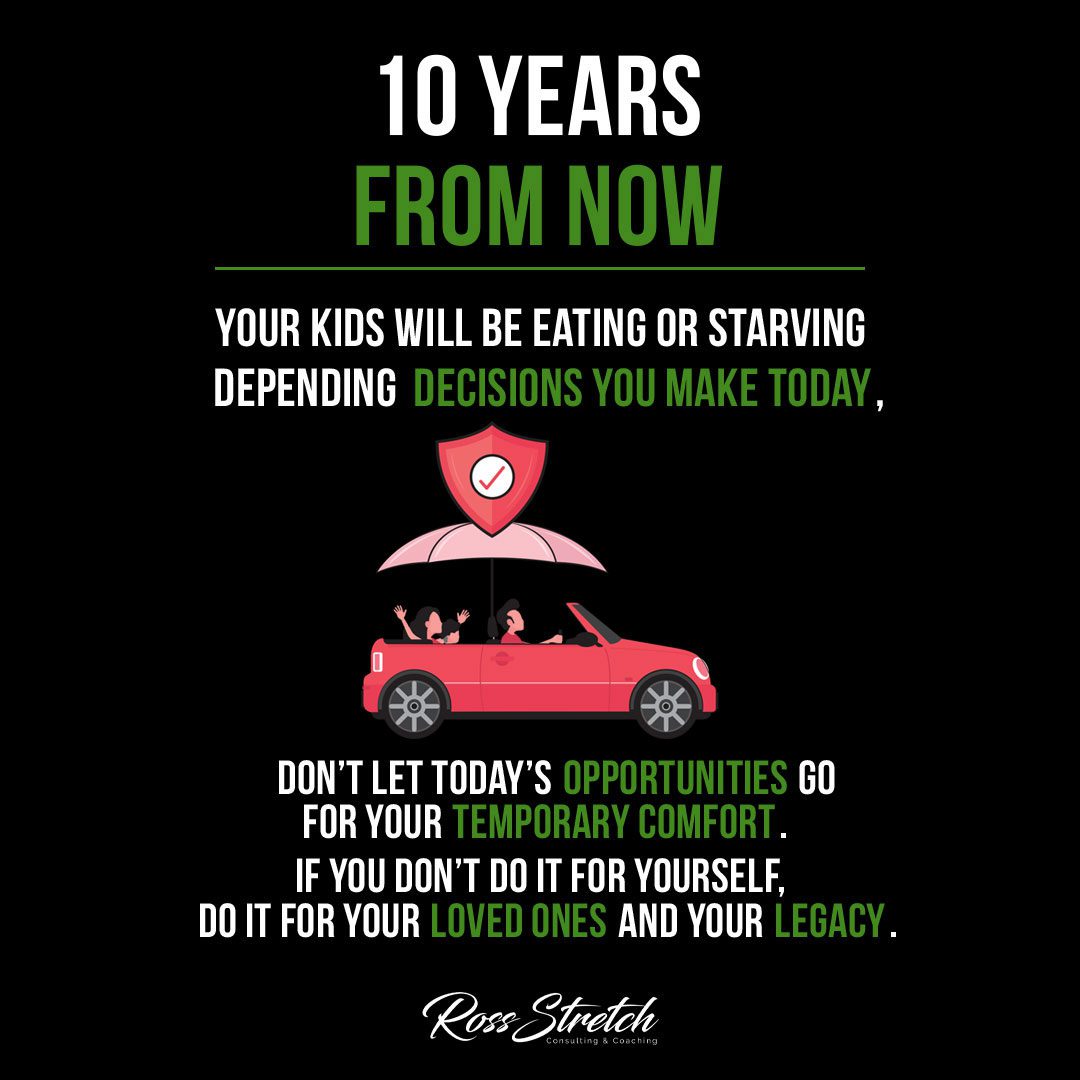
As parents, we carry a profound responsibility to safeguard the future of our children. The decisions we make today — about money, education, health, and values — create ripple effects that shape the opportunities and circumstances our children will encounter for decades. Most people understand this intellectually, yet the pull of immediate comfort and short-term thinking constantly competes with the long game. The truth is that financial planning, early education investment, and intentional legacy-building are not abstract ideals — they are concrete, executable decisions that distinguish families who thrive across generations from those who merely survive them.
Why This Matters More Than You Think
The decisions you make for your children during their formative years carry a disproportionate impact on their adult outcomes. Nobel Prize-winning economist James Heckman has demonstrated through decades of rigorous research that every dollar invested in early childhood development yields a return of 7 to 13 percent per year — better than most financial markets — through improved health outcomes, higher educational attainment, lower crime rates, and stronger workforce participation. This isn’t sentiment; it’s measurable economics. Early investment in children pays compounding dividends that no asset class can reliably replicate.
Most parents focus their planning on visible costs: school tuition, housing, food, and clothing. But the less visible investments — time spent reading together, exposure to diverse ideas and cultures, modeling healthy financial habits, and creating an environment where curiosity is rewarded — are often the most consequential. Research by Hart and Risley found that children from professional families hear approximately 30 million more words by age three than children from low-income families, and this early language exposure is one of the strongest predictors of school readiness and lifetime earnings. The investment that matters most often costs nothing but intention.
The urgency of these decisions is amplified by a rapidly shifting economy. The World Economic Forum estimates that 65 percent of children currently entering primary school will ultimately work in jobs that don’t yet exist. Preparing your children for this future means cultivating adaptability, financial literacy, critical thinking, and emotional resilience — qualities that will serve them regardless of how the labor market transforms over the next 30 years.
What the Research Tells Us About Long-Term Impact
Longitudinal studies on child development consistently show that certain early experiences create lasting structural advantages. Access to quality early childhood education, a stable home environment, and the consistent presence of engaged parents all predict better adult outcomes across health, income, relationship quality, and civic participation. The effects of early intervention are so significant that Heckman’s research team found that improving early childhood environments for disadvantaged children produces a greater economic return than virtually any other policy or personal investment.
Financially, families that model good money behavior — talking openly about budgets, including children in age-appropriate financial decisions, and introducing saving and investing concepts early — produce adults who are measurably more financially literate and significantly less likely to accumulate high-interest debt or experience financial crisis. Research from the University of Cambridge found that by age seven, most children have already formed the financial habits and attitudes they will carry into adulthood. The conversation about money starts at home, and it starts far earlier than most parents realize.
How to Apply This in Your Life
Seize Today’s Opportunities — Not Tomorrow’s
The most dangerous trap for ambitious parents is procrastination disguised as preparation. Whether it’s opening a 529 education savings plan (which grows tax-free and can be used for qualified education expenses), establishing a life insurance policy, or setting up an automatic monthly transfer to savings, the right time to act is now — not when the time feels right, because it never does. The cost of waiting compounds just as powerfully as the benefit of starting. A $200 monthly contribution to a 529 account started at birth grows to roughly $85,000 by age 18 at a 7 percent average annual return. Started at age 10, that same contribution produces less than $37,000. Time is the variable you can’t buy back.
Prioritize Long-Term Well-Being Over Short-Term Comfort
One of the hardest things to do as a parent is resist the urge to give children everything they want immediately. The famous Stanford Marshmallow Study — and subsequent longitudinal follow-up research — showed that children who demonstrated the ability to delay gratification in early childhood went on to have better academic outcomes, lower body mass indices, higher SAT scores, and stronger social skills as adults. By teaching your children to work toward goals and practice patience, you’re giving them a cognitive and emotional tool that no financial inheritance can provide.
Invest Meaningfully in Education
Education is not a single event — it’s a continuous, compounding process. Beyond choosing quality schools, look for supplemental learning opportunities that align with your child’s genuine interests: coding programs, music or arts instruction, travel experiences, mentorship with professionals in fields they’re curious about, and books chosen by them, not assigned to them. Children who are encouraged to pursue depth in subjects they love develop intrinsic motivation — the internal drive that predicts achievement far more reliably than external rewards or pressure.
Foster Financial Literacy From an Early Age
Equip your children with essential financial literacy skills well before they need them. A weekly allowance structured around clear spending, saving, and giving categories teaches budgeting in a low-stakes environment where the lessons are memorable because real money is involved. As children grow, expand the curriculum: introduce the concept of compound interest with a real savings account, explain the difference between assets and liabilities, and discuss how your own financial decisions are made. Children who understand money are dramatically less likely to be manipulated by it as adults.
Lead by Example in Every Domain
Children do not absorb values from lectures — they absorb them through sustained observation of the adults they trust most. If you want resilient children, let them watch you handle adversity with composure and determination. If you want generous children, give generously in front of them. If you want financially responsible children, be transparent about your financial decisions in age-appropriate ways. You are the most powerful teacher your children will ever have, operating in a classroom that never closes.
Common Mistakes Parents Make
- Focusing exclusively on academic achievement while neglecting emotional intelligence, social skills, and physical health — all of which research shows are equally predictive of adult success and wellbeing
- Shielding children from all failure and discomfort, which prevents them from building the resilience and problem-solving capability they’ll need when challenges — which are inevitable — arrive in earnest
- Avoiding money conversations entirely, leaving children financially illiterate at a time when financial complexity, debt traps, and investment decisions are becoming more consequential for young adults than ever
- Postponing financial planning until children are older, forfeiting years of compound growth in education savings accounts and missing the early window where financial decisions carry the most leverage
The Bottom Line
The choices we make today will shape the world our children inherit tomorrow. By seizing opportunities, prioritizing their long-term well-being, and embracing a multigenerational perspective, we can create a legacy that transcends any single generation. This is not about perfection — it’s about intention and consistency. The parent who shows up deliberately, invests thoughtfully, and models the values they want to pass down has already given their children something profound and irreplaceable.
Start one new habit this week. Open that savings account. Have that first honest conversation about money. Read with your child for an extra twenty minutes. The decisions you make today, however small they feel in the moment, are the foundation your children will stand on for the rest of their lives. Choose wisely, and build a legacy worth inheriting.
Resources
- The Heckman Equation — Research on Early Childhood Investment Returns
- Consumer Financial Protection Bureau — Money as You Grow
- Investopedia — How to Open a 529 Education Savings Plan
- Psychology Today — Teaching Kids About Money

 Ross Stretch