What separates people who thrive physically, mentally, and emotionally from those who constantly struggle? It comes down to daily habits — small, consistent behaviors that shape your health over time. The good news is that these habits are not reserved for elite athletes or wellness gurus. They are practical, accessible, and transformative when practiced consistently. This article breaks down six core habits of genuinely healthy people and shows you exactly how to build them into your life for a more balanced lifestyle.
1. Embrace Humility and Let Go of the Need to Impress
Modesty as a Foundation for Inner Peace
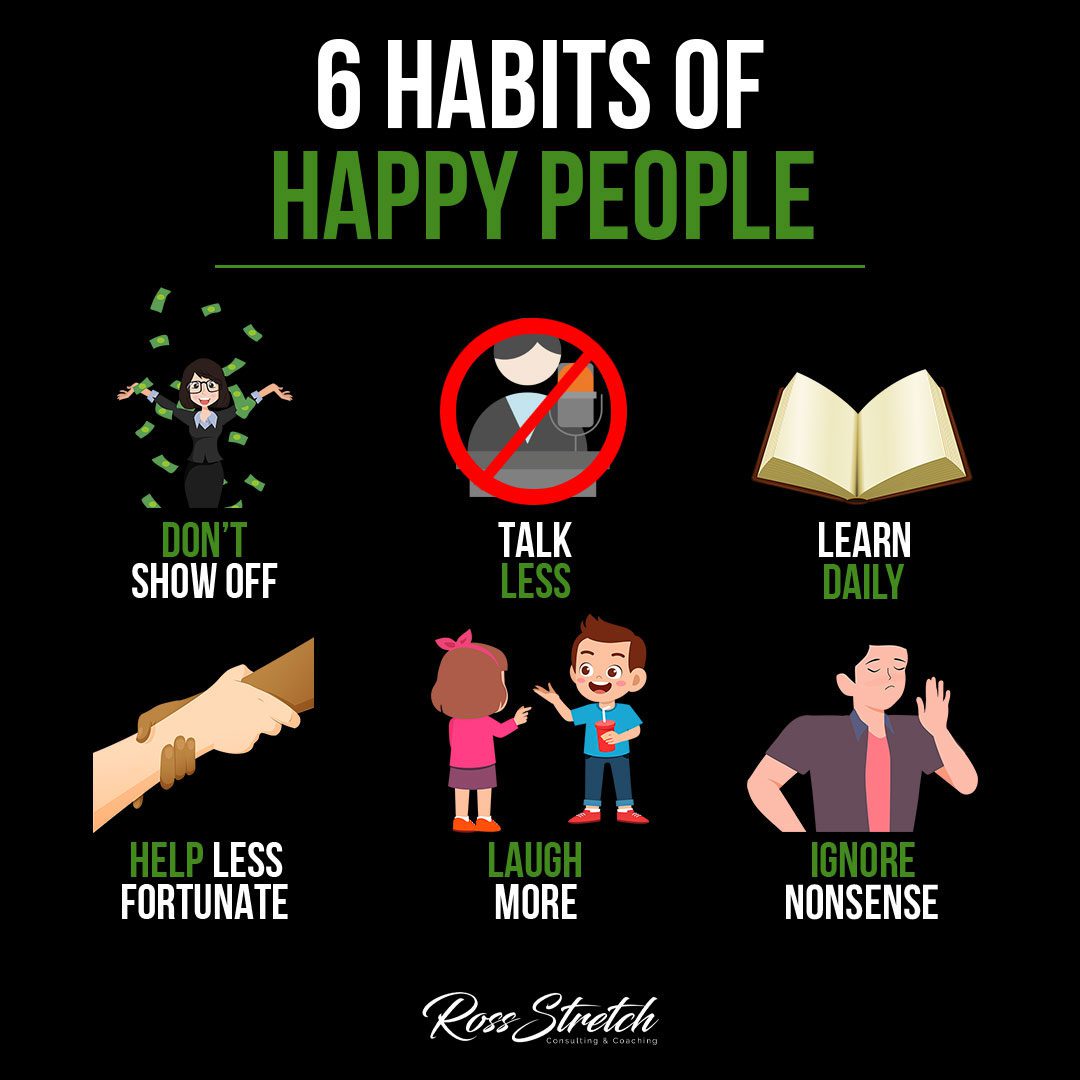
Healthy individuals understand that constantly trying to prove themselves to others is exhausting. The pressure to show off — whether through possessions, achievements, or status — creates chronic stress that erodes both mental and physical well-being. Humility allows you to show up fully without the performance. When you are not chasing approval, your nervous system relaxes, your relationships deepen, and you make better decisions. Research consistently links high levels of trait humility with greater life satisfaction, stronger social bonds, and lower rates of anxiety and depression.
- Actionable Tip: Spend one week catching yourself whenever you feel the urge to one-up someone in conversation. Instead of sharing your own story, ask a follow-up question about theirs.
- Why It Works: Redirecting your attention outward reduces ego-driven stress and builds genuine connection, which is a key driver of long-term well-being.
Pro Tip:
Keep a gratitude journal focused on what others have contributed to your success. Acknowledging the role of outside support naturally counteracts the impulse to take all the credit and reinforces a grounded sense of self.
2. Talk Less, Listen More
The Art of Active Listening for Deeper Connections
Most people listen to respond, not to understand. Healthy individuals break this pattern by developing genuine curiosity about the people around them. Active listening — giving full attention, suspending judgment, and reflecting back what you hear — dramatically improves relationship quality and your own self-awareness. When you stop filling every silence with your own words, you pick up nuance, build trust, and allow others to feel truly seen. This single habit can transform your friendships, professional relationships, and family dynamics more than almost anything else.
- Actionable Tip: In your next important conversation, set a mental rule to wait three full seconds after the other person finishes speaking before you respond. Use those seconds to absorb what was said.
- Why It Works: The pause prevents reactive responses and signals to the other person that you value what they said — building safety and openness in the conversation.
Pro Tip:
After conversations, briefly note what you learned about the other person. This habit trains your brain to listen for information rather than waiting for your turn to speak, and it improves your memory for important details.
3. Commit to Daily Learning
Why Lifelong Learners Stay Mentally Sharp and Fulfilled
Healthy people treat their mind like a muscle — they work it every day. Dedicating even 20 to 30 minutes daily to intentional learning keeps the brain agile, expands your perspective, and builds skills that compound over time. This does not require expensive courses or advanced degrees. Reading books, listening to quality podcasts, watching educational content, or engaging in focused practice of a new skill all count. The key is consistency and intentionality. People who make learning a non-negotiable daily practice report higher levels of confidence, creativity, and career satisfaction than those who stop learning after formal education ends.
- Actionable Tip: Identify one subject you want to master this quarter. Block 20 minutes every morning — before checking email or social media — to read or listen to content on that topic.
- Why It Works: Morning learning takes advantage of your sharpest cognitive hours and ensures the habit does not get squeezed out by the demands of the day.
Pro Tip:
Teach what you learn to someone else within 24 hours. This approach forces you to consolidate your understanding and identify gaps in your knowledge, accelerating retention and mastery of new material.
4. Give Back and Help Others
How Service Builds Empathy, Gratitude, and Genuine Happiness
Contributing to others is not just morally good — it is biologically rewarding. Acts of service trigger the release of oxytocin, serotonin, and dopamine, the brain’s feel-good chemicals. Studies from institutions including Harvard and the University of British Columbia have shown that people who give to others — whether through time, money, or energy — consistently report higher levels of happiness than those who spend primarily on themselves. Healthy individuals build service into their lives not as an obligation, but as a practice that reinforces purpose and keeps their own struggles in perspective. This habit also cultivates gratitude, which is one of the most studied predictors of long-term life satisfaction.
- Actionable Tip: Choose one recurring way to give back each month — volunteering, mentoring, or a regular act of generosity toward someone in your community. Put it on your calendar so it happens consistently.
- Why It Works: Regular acts of service create a sense of meaning and connection that money and achievement alone cannot provide, anchoring your sense of identity beyond personal success.
Pro Tip:
Pair your service with a skill you already have. If you are good at writing, volunteer to help a nonprofit with their communications. If you are in finance, offer free budgeting sessions to young adults in your community. Aligned giving multiplies the impact and sustains your motivation over the long term.
5. Laugh More and Embrace Joy
The Underrated Health Benefits of Laughter and Levity
Laughter is not a luxury — it is medicine. A genuine sense of humor and the willingness to find joy in daily life is a hallmark of psychologically healthy individuals. Laughter reduces cortisol levels, strengthens the immune system, improves pain tolerance, and creates social bonds more quickly than almost any other behavior. People who laugh regularly tend to handle adversity with more resilience, recover from stress faster, and approach problems with greater creativity. In a culture that often treats seriousness as a sign of professionalism and depth, cultivating lightness is a radical and health-affirming act.
- Actionable Tip: Actively curate comedy into your life. Follow creators who make you genuinely laugh, spend time with people who bring out your lighter side, and look for absurdity in everyday frustrations instead of letting them pile up.
- Why It Works: The physical act of laughing activates your parasympathetic nervous system, reversing the stress response and resetting your emotional baseline toward calm and openness.
Pro Tip:
Do not wait for funny things to happen — look for them. Reframe minor inconveniences as comedy material. Healthy people are not laughing because their lives are easier; they are laughing because they have trained themselves to find the humor in the ordinary and the difficult alike.
6. Filter Out Negativity and Ignore the Noise
Protecting Your Mental Clarity in a World Full of Distractions
The average person is exposed to thousands of pieces of information daily — most of which add no value and a significant portion of which are actively harmful to mental health. Healthy individuals develop a strong filter. They are selective about the media they consume, the conversations they engage in, and the opinions they give weight to. This is not about being closed-minded — it is about protecting cognitive and emotional bandwidth for what actually matters. When you stop engaging with gossip, doom-scrolling, and pointless debate, you reclaim hours of mental energy that can be redirected toward growth, relationships, and meaningful work.
- Actionable Tip: Conduct a weekly audit of your media and social media consumption. Unfollow or mute sources that consistently make you feel anxious, angry, or inadequate. Replace them with content that educates, inspires, or genuinely entertains.
- Why It Works: What you repeatedly consume shapes your beliefs and emotional state. Editing your information diet is one of the highest-leverage acts of self-care available to you.
Pro Tip:
Create a personal decision filter for what you engage with: ask whether a piece of information is actionable, accurate, and relevant to your life. If it is not at least one of those three things, let it pass by without mental investment. This single mental habit can dramatically reduce stress and improve focus over time.
Putting It All Together
These six habits are not about achieving perfection — they are about building a framework for living well. Humility, listening, learning, giving, laughing, and filtering are not dramatic lifestyle overhauls. They are small, daily choices that stack into a fundamentally healthier and more balanced life. Pick one habit to focus on this week. Build it until it feels natural. Then add the next. The compound effect of these practices over months and years is remarkable — and entirely within your reach.
Resources

 Ross Stretch