Every financial decision you make either accelerates your path to freedom or extends your time in financial stress. The difference between people who build lasting wealth and those who perpetually struggle often comes down to a deceptively simple question: are you spending on things that grow in value, or things that drain your resources? Understanding smart spending priorities, investment-first thinking, and the hidden cost of lifestyle inflation is the foundation of any serious financial strategy.
Invest in Education: The Highest-ROI Asset
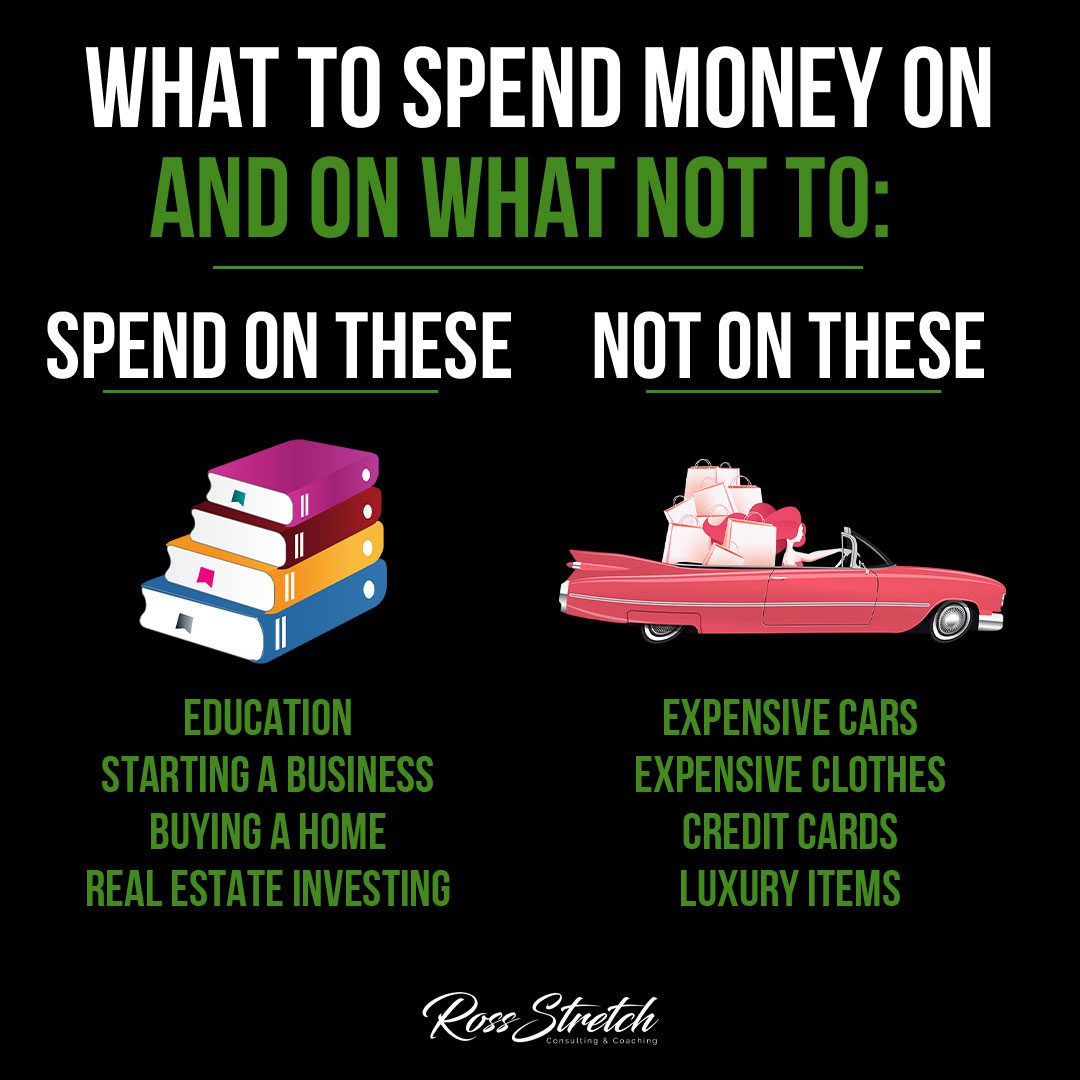
Investing in education is one of the highest-return decisions you can make with your money. The Bureau of Labor Statistics consistently shows that each level of educational attainment correlates with higher median earnings and lower unemployment rates. Over a 40-year career, the income difference between a high school diploma and a professional degree compounds dramatically — we’re talking millions of dollars in total lifetime earnings. That’s not just a return on investment; it’s the foundation for everything else you’ll build financially.
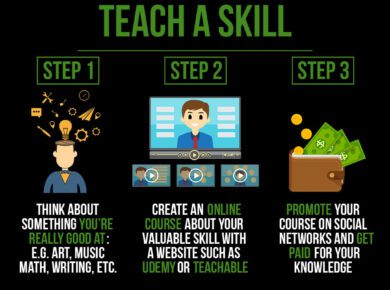
But education doesn’t only mean formal degrees. Professional certifications, skills-based courses, coding bootcamps, and industry-specific training programs can deliver substantial income increases at a fraction of the cost of a four-year university. Platforms like Coursera, LinkedIn Learning, and Udemy offer courses taught by industry experts for under $50 — courses that can directly translate into salary increases, promotions, or new business revenue. The key is investing in education strategically aligned with income growth, not simply education for its own sake.
Before enrolling in any program, research the typical return: what jobs does this credential unlock? What do those roles pay? What is the demand trajectory for these skills? Education that answers those questions favorably is worth significant investment. Education chosen for prestige alone, without clear market demand for the resulting skills, may not deliver comparable returns. Acquiring knowledge and skills that the market values is how you turn educational spending into a compounding financial asset.
Entrepreneurship: Spending to Build Something That Pays You Back
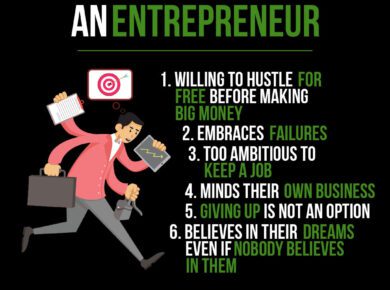
Starting a business is one of the most powerful ways to redirect money toward wealth creation. Unlike a salary — which is capped by what an employer is willing to pay — a successful business has theoretically unlimited upside. Entrepreneurship offers an excellent opportunity to leverage your skills and passion to generate income and build wealth on your own terms, rather than on someone else’s schedule and ceiling.
The critical distinction is between productive business spending and premature overhead. Invest in things that directly generate revenue: product development, marketing, tools that improve productivity, and customer acquisition. Avoid spending on prestige items — expensive offices, luxury branding, or elaborate equipment — before your revenue justifies it. Many successful businesses are built with minimal overhead before reaching profitability. Conduct thorough market research and create a solid business plan to increase your chances of success before committing significant capital.
Validate your business idea with small experiments before scaling. The most expensive mistake entrepreneurs make is investing heavily in a product or service before confirming genuine market demand. Spend to learn first; spend to scale only after you’ve confirmed what the market will actually pay for. By investing in your own business with discipline and evidence, you have the potential to enjoy significant financial returns and achieve true financial independence.
Real Estate: Building Equity and Passive Income
Purchasing a home and investing in rental real estate represent two of the most accessible wealth-building strategies available to ordinary people. A primary residence provides both housing stability and equity accumulation — as you pay down the mortgage and property values appreciate, your net worth grows without active effort. According to the National Association of Realtors, median existing-home prices have roughly doubled over the past decade, delivering significant equity gains to homeowners who bought and held through market cycles.
Investment real estate goes further, generating ongoing rental income that can cover mortgage costs and produce monthly cash flow. Real Estate Investment Trusts (REITs) offer an accessible entry point for those who aren’t ready to manage physical properties — they trade on stock exchanges like shares and provide exposure to real estate returns without property management responsibilities. By investing in rental properties or REITs, you can generate passive income and enjoy potential appreciation in property value simultaneously.
The key to real estate as a wealth-building tool is careful due diligence: location quality, rental demand, capitalization rates, and financing costs all determine whether a property generates wealth or drains it. Never acquire real estate based on emotion or optimistic speculation about future prices — the numbers must work at today’s rents and today’s prices. Real estate investing can be a powerful tool for wealth creation when approached with knowledge and careful planning.
What Not to Spend On: The Wealth Drains
Understanding what to avoid is equally important as knowing where to invest. Expensive cars are among the most common wealth destroyers for aspiring high earners. A vehicle depreciates the moment it leaves the lot — often losing 20–30% of its value in the first year alone. Factor in insurance, maintenance, and financing costs on a luxury vehicle, and you may be committing $1,500 or more per month to an asset reliably losing value. A reliable, moderately priced vehicle serves the same transportation function at a fraction of the total cost. Prioritize a car that meets your needs without stretching your budget.
Designer clothing and luxury fashion represent another common misallocation of resources. While quality wardrobe investments can be worthwhile — good shoes, classic professional attire — spending on labels primarily for status is a direct wealth transfer from your future self to fashion brands. Quality, versatile pieces at accessible price points deliver the same functionality and professional presentation at dramatically lower cost. Shop sales, explore second-hand options, and invest in timeless pieces rather than fleeting trends. The confidence and personality that make an outfit effective cost nothing.
High-interest credit card debt is among the most financially destructive spending patterns available to consumers. Carrying a balance at 20–29% APR is the equivalent of investing at a guaranteed negative 20–29% annual return — an obviously irrational financial decision when stated plainly. Credit cards have legitimate uses: building credit history, earning rewards on purchases you’d make anyway, and managing short-term cash flow. The instant you carry a balance, however, you surrender those benefits and begin actively losing ground. Pay balances in full every month without exception. Luxury items — high-end gadgets, extravagant vacations purchased on credit, accessories bought for status — can quickly drain your finances without providing long-term value.
The Framework: Spend on Assets, Minimize Liabilities
The simplest framework for smart money choices comes down to a single question: does this purchase put money in my pocket over time, or take money out? Assets — investments, businesses, real estate, education — put money in. Liabilities — depreciating purchases, high-interest debt, status-driven lifestyle inflation — take money out. Building wealth is largely the consistent practice of choosing the former over the latter, compounded across hundreds of decisions made over years.
This doesn’t mean living like a monk or denying yourself all enjoyment. It means being intentional about which spending reflects genuine values versus which spending is driven by social pressure, impulse, or the desire to signal status you haven’t yet built. The most financially successful people are often surprisingly modest in their personal spending — not because they can’t afford more, but because they understand exactly what each dollar could otherwise become if invested instead of consumed.
Conclusion
Making smart spending choices is not about deprivation — it’s about intentionality. Investing in education, building or funding businesses, acquiring real estate, and letting compounding work on your behalf are the actions that build lasting financial security. Avoiding the wealth drains of depreciating assets, high-interest debt, and status-driven consumption preserves the capital you need to invest in what actually grows.
The gap between those who achieve financial independence and those who remain financially stressed is rarely income — it’s allocation. Two people earning identical salaries can end up in radically different financial positions based entirely on how they direct those earnings. Prioritize investments that align with your financial goals, eliminate the spending habits that drain your future, and make informed decisions at every turn. The path to financial independence is built one smart choice at a time.
Resources

 Ross Stretch