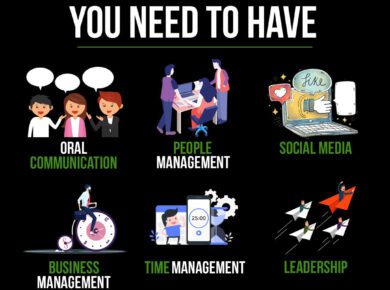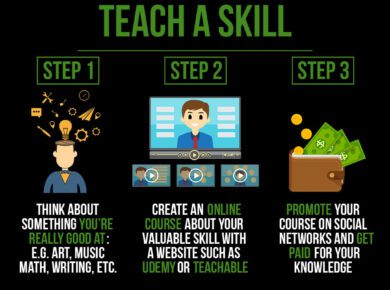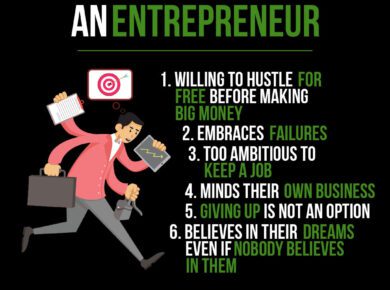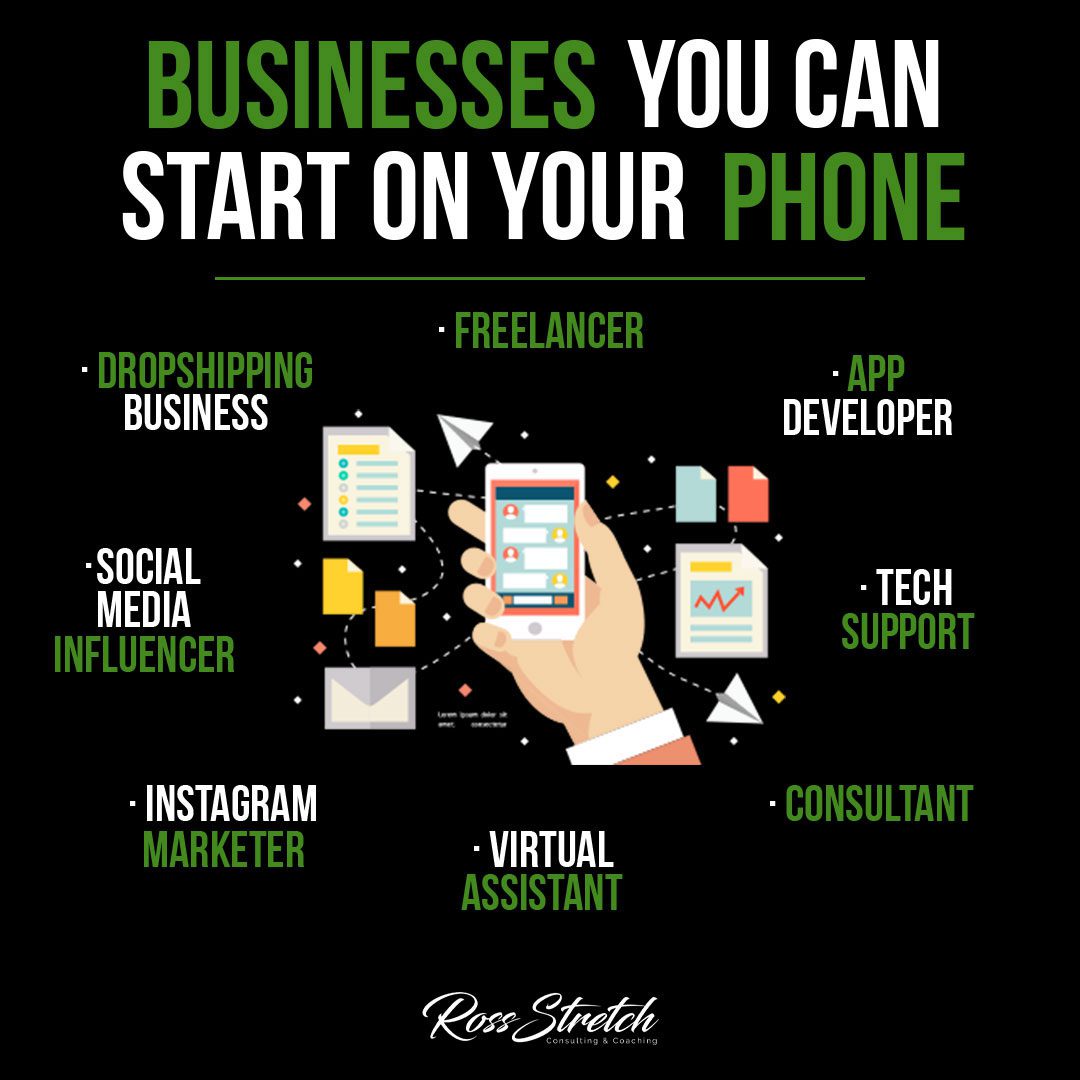
Starting a business no longer requires office space, startup capital, or even a laptop. The smartphone in your pocket is a legitimate business tool capable of launching and running income-generating ventures across multiple industries. Mobile entrepreneurship has created a genuine pathway to financial independence for people willing to learn new skills and invest consistent effort. Whether your background is in writing, technology, marketing, or logistics, there is a phone-based business model that can realistically generate income — often within weeks of getting started.
Dropshipping — Build an E-Commerce Store Without Holding Inventory
Dropshipping is one of the most accessible entry points into e-commerce entrepreneurship. The model is straightforward: you create an online store, list products for sale, and when a customer buys, the supplier ships the product directly to them. You never touch the inventory, manage a warehouse, or coordinate fulfillment logistics.
The phone side of this business is surprisingly complete. Platforms like Shopify have mobile apps that allow you to manage orders, update product listings, process refunds, and track analytics directly from your device. Supplier marketplaces like DSers and Spocket integrate directly into your store. Marketing can be run entirely through Instagram, TikTok, and Facebook ad platforms — all of which have fully functional mobile apps.
The real work in dropshipping is picking the right niche, sourcing reliable suppliers, and building an advertising strategy that converts profitably. Profit margins tend to be thinner than in traditional retail, so customer acquisition costs and pricing need careful management. But startup costs are extremely low, and you can test product categories without committing capital to inventory upfront.
Freelancing — Monetize the Skills You Already Have
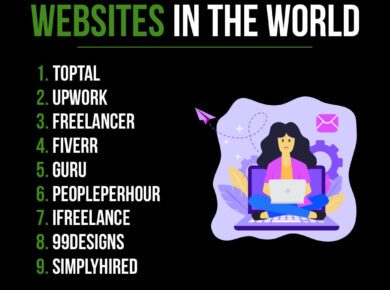
Freelancing is arguably the fastest path from zero to income for someone with a marketable skill. Writers, graphic designers, web developers, video editors, social media managers, accountants, translators, and dozens of other specialists are in consistent demand on platforms like Upwork, Fiverr, and Toptal. If you have a skill that businesses or individuals need, you can start selling it today.
Everything required to run a freelance business can be managed from your phone. Upwork and Fiverr both have mobile apps for messaging clients, submitting proposals, and tracking payments. Google Docs and Canva allow you to create and deliver work from a mobile device. Payment platforms like PayPal and Wise make receiving international payments straightforward.
The key to freelance success is specialization. Generalists compete on price; specialists compete on expertise. Identify the specific problem you solve best and position your profile around that narrow capability. A freelance writer who focuses exclusively on SaaS product pages will consistently earn more than one who claims to write anything for anyone.
App Development — Build Mobile Solutions for Niche Problems
If you have coding experience, the app development market offers significant upside. The global mobile app market continues to grow, and there is consistent demand for well-designed apps that solve specific problems for specific audiences. You do not need to build the next major platform — niche utility apps with a clear use case and a willing-to-pay audience are a realistic target.
For those without coding experience, no-code platforms like Bubble, Glide, and Adalo allow you to build functional apps without writing a single line of code. These tools have opened app development to a much wider population of entrepreneurs. Project management, client communication, and marketing can all be handled from your phone, even if the build itself requires occasional laptop work.
The ideation and validation phase of app development is entirely phone-accessible. Before writing a line of code, research your target market through forums, social media groups, and competitor reviews. Validate demand before you build by running a simple landing page and measuring interest. Most apps fail because they solve problems people are unwilling to pay for — not because of execution failures.
Virtual Assistant — Support Businesses Remotely
Virtual assistants provide administrative and operational support to businesses and entrepreneurs who need help but cannot justify the cost of a full-time employee. Tasks typically include email management, calendar scheduling, data entry, customer service, social media posting, travel booking, and research projects. The scope can be narrow or broad depending on your skills and the client’s needs.
This is an ideal phone-based business because the work is primarily communication and coordination — exactly what smartphones are designed for. VA platforms like Belay, Time Etc., and Virtual Staff Finder connect assistants with clients who are actively looking for help. Rates range from $15 to $50 or more per hour depending on specialization and experience level.
As you build client relationships and develop expertise in specific tools or industries, VA work can evolve into more specialized — and significantly better-paid — operations support, executive assistant, or project management roles. Many successful virtual assistants eventually move into full-time consulting relationships with anchor clients.
Consulting — Get Paid for What You Already Know
If you have years of experience in a particular industry or function, consulting may be the highest-leverage business model available to you. Consulting turns your existing expertise into billable advice rather than requiring you to learn an entirely new skill set. The learning curve is minimal compared to every other model on this list — you are selling what you already know.
The consulting business runs almost entirely on communication — and communication runs on your phone. Video meetings via Zoom or Google Meet, document collaboration through Google Drive, proposal creation in Canva, and invoicing through Wave or QuickBooks can all be handled from a mobile device. The infrastructure requirement for a consulting business is genuinely minimal.
The challenge in consulting is positioning and client acquisition, not the work itself. Define a specific outcome you help clients achieve, articulate the measurable value you deliver, and be willing to do a handful of initial projects at reduced rates to build case studies and testimonials that make future sales easier. Your reputation is the business.
Social Media Marketing and Influence — Build Audiences and Brands
Social media offers multiple revenue models for people willing to build audiences and develop marketing expertise. Social media managers and Instagram marketers help brands grow their following and engagement, typically charging a monthly retainer for strategy, content creation, scheduling, and analytics reporting. This is a service business that scales as you take on more clients or hire subcontractors.
Building your own audience as an influencer or content creator is a longer path but offers different upside. Consistent content in a defined niche, published across Instagram, TikTok, or YouTube, builds an audience that can eventually be monetized through brand sponsorships, affiliate marketing, digital products, and paid community memberships. The tools needed are entirely phone-based.
Both paths require patience and consistency. Most successful social media businesses took one to three years of steady effort before becoming meaningfully profitable. The advantage is that the startup cost is essentially zero, and the skills you develop — understanding what audiences respond to, how platforms distribute content, and how to structure persuasive messaging — are transferable to virtually any other business you might pursue.
Conclusion
The barriers to entrepreneurship have never been lower. A smartphone and a reliable internet connection are sufficient to launch any of the business models discussed here. The real barriers are not technological — they are behavioral: the willingness to start before feeling fully ready, to commit to consistent effort over months rather than weeks, and to treat the phone in your pocket not as entertainment but as infrastructure. Pick one model that aligns with your existing skills or interests, research it thoroughly this week, and take your first concrete step. The hardest part is always the beginning.
Resources


 Ross Stretch