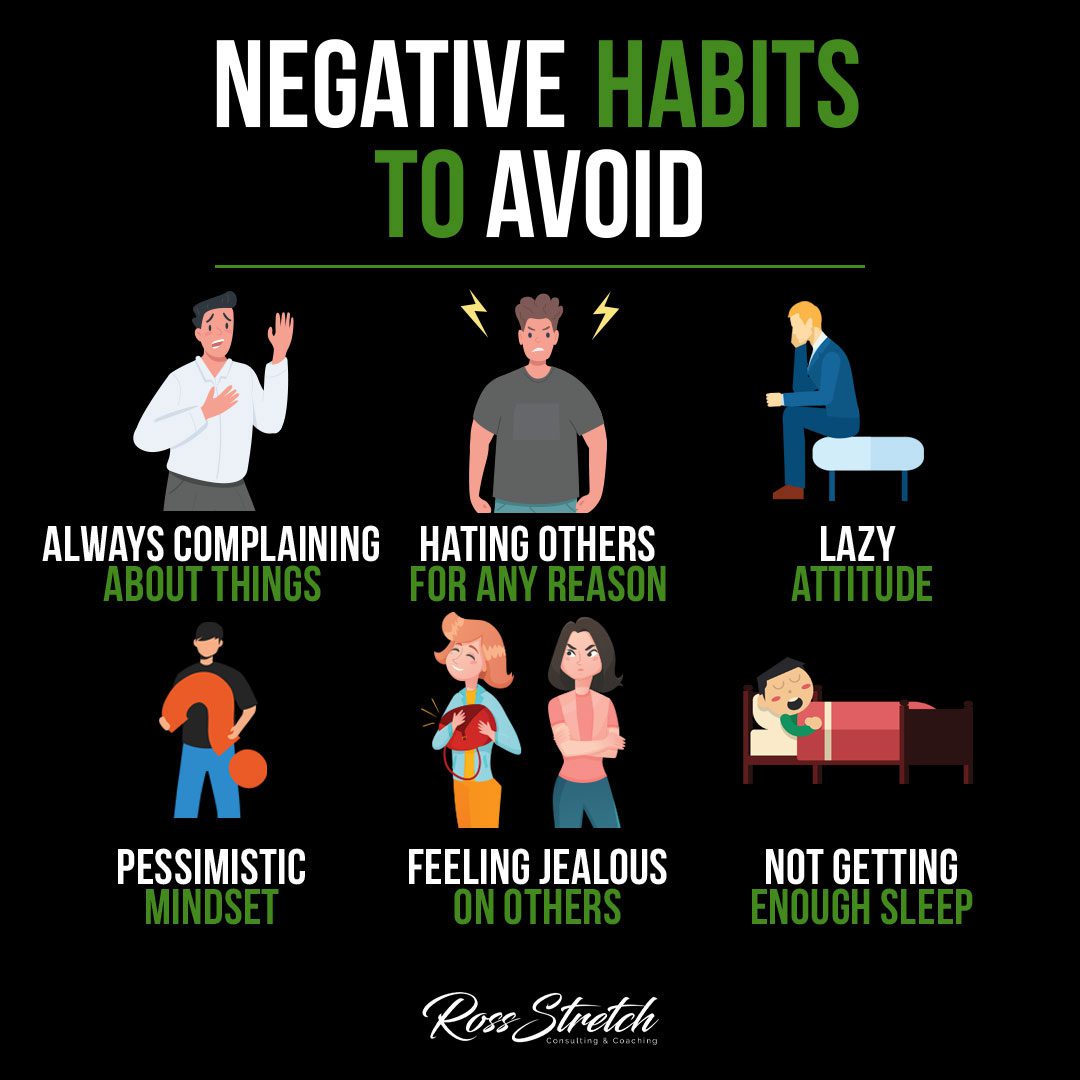
Not all habits are created equal — some move you forward, while others create a slow leak in your energy, relationships, and potential. The tricky thing about negative habits is that they often feel comfortable, justified, or even virtuous in the moment. But their cumulative effect over weeks, months, and years can be devastating. Here are the habits most worth examining and leaving behind.
1. Seeking Validation Before Taking Action
Many people wait for approval, encouragement, or consensus before making their next move. They share every idea to get feedback before starting, poll their friends before making decisions, and hesitate to act without some form of external green light. This habit quietly outsources your confidence to other people — and confidence borrowed from others is incredibly fragile.
What to Do Instead:
Practice making small decisions independently and living with the results. Build self-trust through action. Seek feedback after you’ve tried something — not as a prerequisite to trying.
2. Consuming More Than You Create
We live in a consumption economy — every platform, algorithm, and notification is designed to keep you absorbing content rather than producing anything. Excessive consumption isn’t passive; it actively crowds out the time, energy, and mental space needed for creation, deep thinking, and personal development.
What to Do Instead:
Set a daily creation-to-consumption ratio. For every hour you spend consuming content, spend at least 30 minutes creating something — a piece of writing, a project, a new skill. Creation compounds; consumption rarely does.
3. Gossiping and Focusing on Others’ Failures
Discussing other people’s mistakes, setbacks, and shortcomings feels socially bonding in the moment — but it’s a habit that quietly shapes your character. People who spend mental energy cataloguing others’ failures rarely have enough left over for their own growth. And the judgment you extend to others tends to eventually turn inward.
What to Do Instead:
When a conversation turns to gossip, redirect it toward ideas, plans, or shared goals. Adopt a simple rule: if you wouldn’t say it directly to the person, don’t say it at all.
4. Chronic Multitasking
Multitasking feels productive because you’re always in motion. But research consistently shows that the human brain cannot genuinely focus on two cognitively demanding tasks simultaneously. What we call multitasking is actually rapid task-switching, and it degrades the quality of every task involved while exhausting the brain faster.
What to Do Instead:
Practice single-tasking. Work on one thing with full attention until it’s done or you’ve completed a focused block (try 25-50 minute sessions). You’ll accomplish more in less time and with significantly higher quality.
5. Skipping Recovery
High performance culture glorifies constant hustle — long hours, skipped meals, sacrificed sleep, no vacations. But sustainable output requires recovery. Without adequate rest, sleep, and downtime, your cognitive function, creativity, and emotional regulation all decline — and they decline faster than you notice, which makes this habit especially dangerous.
What to Do Instead:
Treat rest with the same intentionality you give work. Protect your sleep window, schedule actual breaks during the day, and take real time off periodically. Recovery is not a reward for hard work — it’s a prerequisite for it.
Letting Go as a Growth Strategy
Sometimes the fastest path forward is clearing the path behind you. Every habit you leave behind creates space — time, energy, attention — that can flow toward something that actually moves you forward. Start by picking just one habit from this list and committing to replacing it for 30 days. That single decision may be one of the highest-leverage investments you make this year.

 Ross Stretch