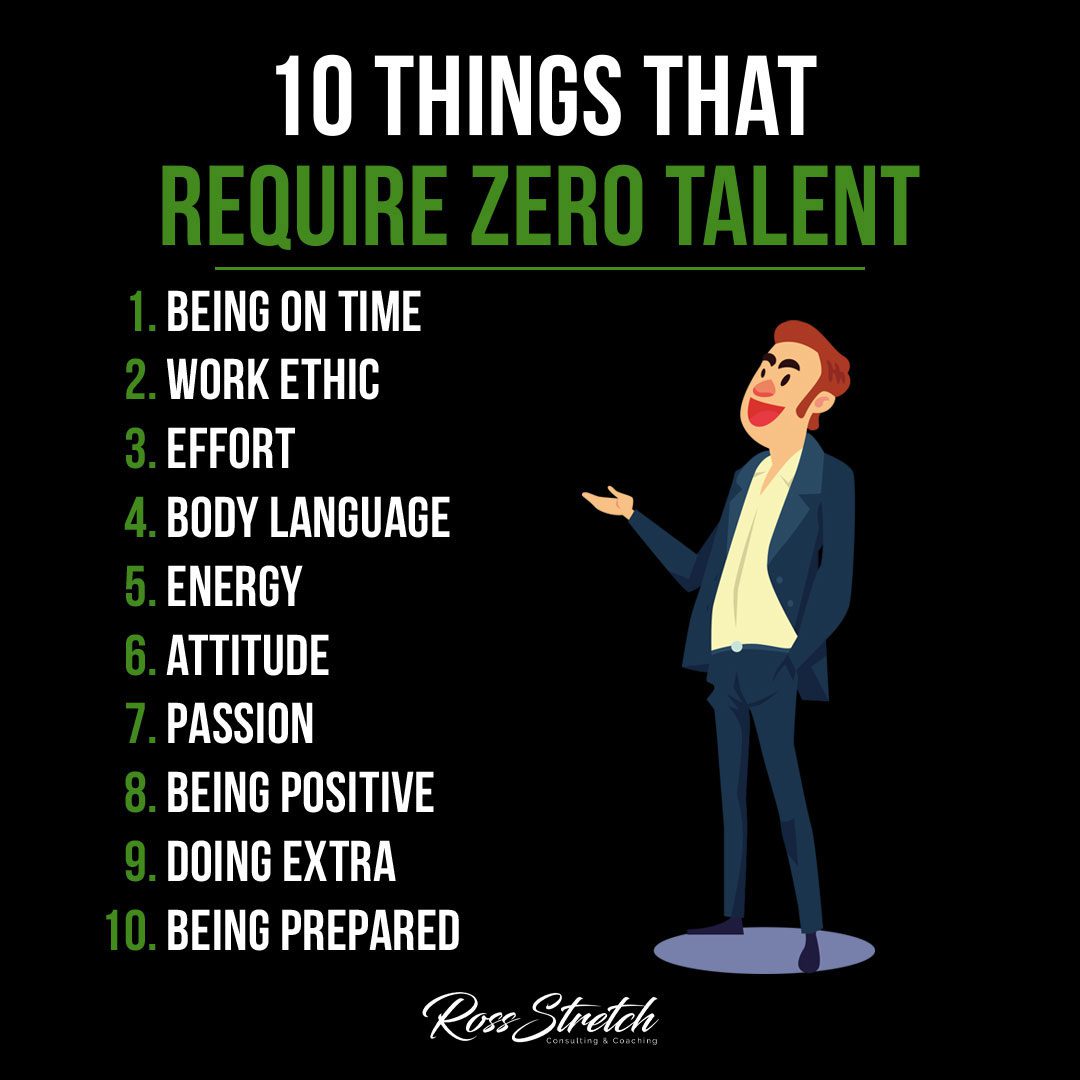
Natural talent is a great starting point, but a poor predictor of long-term success. The most reliable advantages in business, finance, and life come from deliberate choices — behaviors and habits that require no innate ability, no elite education, and no privileged background. The ten qualities below are within reach of every person who chooses to practice them. And here is the striking truth: most people do not. That gap is your opportunity.
1. Punctuality
Showing Up on Time Is a Leadership Signal
Being on time communicates something powerful before you say a word: that you respect other people’s time and can be counted on. In professional settings, punctuality builds a reputation that opens doors. Chronically late people — regardless of their talent — signal unreliability, and unreliability is expensive in business and in relationships.
- Actionable Tip: Set calendar alerts 15 minutes before every commitment. Treat your arrival time as the meeting start time, not the walk-in time.
- Why It Works: Consistent punctuality creates a reputation that precedes you, reducing friction in every professional interaction.
Pro Tip:
Arrive five minutes early to every meeting for 30 days straight and notice how people begin to treat you differently. Reliability compounds into trust faster than almost any other behavior.
2. Work Ethic
Outworking Talent Is a Viable Strategy
A strong work ethic does not mean working longer hours for the sake of it. It means bringing full effort and focus to the hours you commit to. In most industries, the person who consistently does quality work on time will outperform a more talented person who is inconsistent. Employers, clients, and partners notice who can be relied upon to deliver — and they give that person more opportunities.
- Actionable Tip: Define what full effort looks like for your specific role or business, then hold yourself to that standard before worrying about anything else.
- Why It Works: Consistent effort builds a track record, and track records create opportunity through referrals, promotions, and trust.
Pro Tip:
Work ethic is most visible in how you handle tasks no one is watching. The discipline you apply privately is what builds the foundation others eventually reward publicly.
3. Effort
The Distinguishing Factor Between Average and Exceptional
Effort is distinct from work ethic in an important way: it is about the intensity and intentionality you bring to specific tasks, not just the hours logged. Consistent, directed effort — applied toward the right goals — is often what separates people who plateau from those who keep improving. Most people give comfortable effort. Extraordinary results come from choosing uncomfortable effort repeatedly.
- Actionable Tip: Identify one task each week that you have been doing at 70 percent and commit to doing it at full capacity. Build the habit gradually.
- Why It Works: Deliberate practice and directed effort accelerate skill development far faster than passive repetition.
Pro Tip:
Effort is most powerful when paired with reflection. After any significant effort, ask what you would do differently. That loop of effort plus learning is the engine of real growth.
4. Body Language
Non-Verbal Communication Often Speaks Louder Than Words
Studies suggest that a significant portion of communication is non-verbal. Eye contact, posture, handshakes, and facial expressions all convey confidence, openness, or disengagement before a single word is spoken. Strong body language is a learnable skill that directly affects how clients, employers, and colleagues perceive your competence and credibility.
- Actionable Tip: Record yourself in a mock presentation or conversation and watch it without sound. Notice what your posture and expressions communicate.
- Why It Works: Confident body language creates a feedback loop — others respond positively, which reinforces your own confidence and improves performance.
Pro Tip:
Before high-stakes conversations, take two minutes to stand in an open, upright posture. Research by Amy Cuddy and others suggests this brief practice can meaningfully shift how confident you feel and project.
5. Energy
The Intangible That Defines Your Presence
The energy you bring into a room is felt before you speak. High energy — not loud or performative, but genuinely engaged and present — is contagious. Leaders who generate positive energy attract talent, clients, and opportunity. Conversely, low energy signals disengagement and drains the people around you. This is controllable through sleep, exercise, nutrition, and the habits you build.
- Actionable Tip: Audit your daily energy levels for one week. Note when you are sharpest and when you crash, then schedule your most important work during peak hours.
- Why It Works: Managing energy rather than just time dramatically improves output quality and the impression you make on others.
Pro Tip:
Physical movement is one of the fastest energy levers available. A 10-minute walk before a high-stakes meeting or call reliably improves focus, mood, and the quality of your presence.
6. Attitude
Your Default Mindset Shapes Every Outcome
Attitude is the lens through which you interpret setbacks, feedback, and competition. A constructive, solution-oriented attitude does not deny problems — it approaches them as information rather than verdicts. In business and investing, the people who recover fastest from failure are almost always those who refuse to let setbacks define their trajectory. Attitude is a habit, and like all habits, it responds to deliberate practice.
- Actionable Tip: When something goes wrong, give yourself 24 hours to process it, then write down three things the experience taught you that you can use going forward.
- Why It Works: Reframing setbacks as data points rather than permanent failures maintains momentum and accelerates recovery time.
Pro Tip:
Protect your attitude by managing your inputs. The content you consume, the people you spend time with, and the conversations you engage in daily all shape your default mindset more than most people realize.
7. Passion
Genuine Interest Sustains Effort When Motivation Fades
Passion is not a prerequisite for starting — but it is a powerful sustaining force once you are in the difficult middle of building something. People who care deeply about their work tend to put in more reps, ask better questions, and persist longer than those who are purely mercenary about it. Passion is also felt by customers, employees, and partners, and it influences how people respond to you.
- Actionable Tip: If your current work does not excite you, identify the aspects of it that do and build more of those into your day. Passion can be cultivated through mastery even when it does not arrive naturally.
- Why It Works: Intrinsic motivation is more durable than external incentives, especially during the difficult phases of any significant goal.
Pro Tip:
Cal Newport’s research suggests that passion often follows skill, not the other way around. Commit to getting genuinely good at something, and the passion frequently develops from there.
8. Positivity
Optimism Is a Strategic Advantage, Not Naivety
Positivity — grounded in reality, not denial — enables better decision-making under pressure, healthier relationships, and greater resilience through setbacks. Entrepreneurs and investors who maintain a constructive outlook navigate uncertainty more effectively than those who default to catastrophizing. Positivity is not about pretending problems do not exist; it is about believing that problems are solvable.
- Actionable Tip: Start each morning by writing down one thing you are genuinely looking forward to that day. This simple practice trains your attention toward opportunity rather than threat.
- Why It Works: Positive affect broadens creative thinking and problem-solving capacity, a well-documented effect in psychology research.
Pro Tip:
Separate your assessment of a situation from your response to it. You can acknowledge that something is hard or unfair while still choosing a constructive response. That separation is what makes positivity functional rather than performative.
9. Going the Extra Mile
Exceeding Expectations Builds a Reputation That Precedes You
In most professional contexts, the bare minimum is common and the extraordinary is rare. The person who consistently does more than expected — not to be seen, but because they hold themselves to a higher standard — becomes someone people want to work with, hire, refer, and invest in. Going the extra mile is not about doing more work for free; it is about doing better work than you had to, which compounds into career and business advantages over time.
- Actionable Tip: After completing any deliverable, ask yourself: what is one thing I could add that the person receiving this would not expect but would genuinely value?
- Why It Works: Exceeding expectations is memorable, and memorable people get repeat business, referrals, and opportunities that average performers do not.
Pro Tip:
The extra mile is most powerful when it is personalized. A generic bonus deliverable is nice. A specific, thoughtful addition that addresses exactly what someone cares about is what creates genuine loyalty.
10. Being Prepared
Preparation Is the Foundation of Confidence and Performance
Luck, as the saying goes, is preparation meeting opportunity. The people who appear naturally gifted in meetings, negotiations, and presentations have almost always done work beforehand that is invisible to the audience. Preparation eliminates the need to rely on talent in high-pressure moments and allows you to perform consistently across situations where improvisation would fail.
- Actionable Tip: Before any important conversation, meeting, or presentation, write down the three most likely questions or objections you will face and prepare clear, honest answers for each.
- Why It Works: Anticipating challenges reduces anxiety and improves response quality, allowing you to be fully present rather than reactive.
Pro Tip:
Build preparation into your weekly routine rather than scrambling before individual events. Reviewing your upcoming week every Sunday takes 20 minutes and eliminates the low-grade anxiety that comes from being perpetually underprepared.
Conclusion: Character Beats Talent Over Time
Talent opens doors, but these ten attributes are what keep you in the room and keep the doors opening. None of them require a gift you were or were not born with. All of them require consistent, deliberate practice over time. The compounding effect of embodying even half of these qualities consistently is significant — and the fact that most people do not bother is precisely what makes them so valuable to the people who do.
Resources
- James Clear: Atomic Habits — Building Habits That Stick
- Mindset Works: The Science of Growth Mindset
- TED Talk: Angela Duckworth on Grit and Perseverance
- Harvard Business Review: Performing at Your Best Without Burnout

 Ross Stretch