The influencer marketing landscape has matured rapidly, and brands that once chased celebrities with millions of followers are discovering a more effective strategy: partnering with micro-influencers. These creators typically have between 10,000 and 100,000 followers, but what they lack in raw reach they more than compensate for in engagement, trust, and audience specificity. Studies consistently show that micro-influencers generate higher engagement rates, produce more authentic content, and convert at better rates than mega-influencers. For businesses looking to build genuine brand loyalty rather than fleeting impressions, understanding how to navigate these partnerships is a meaningful competitive advantage. Here are five strategies for making micro-influencer collaborations work.
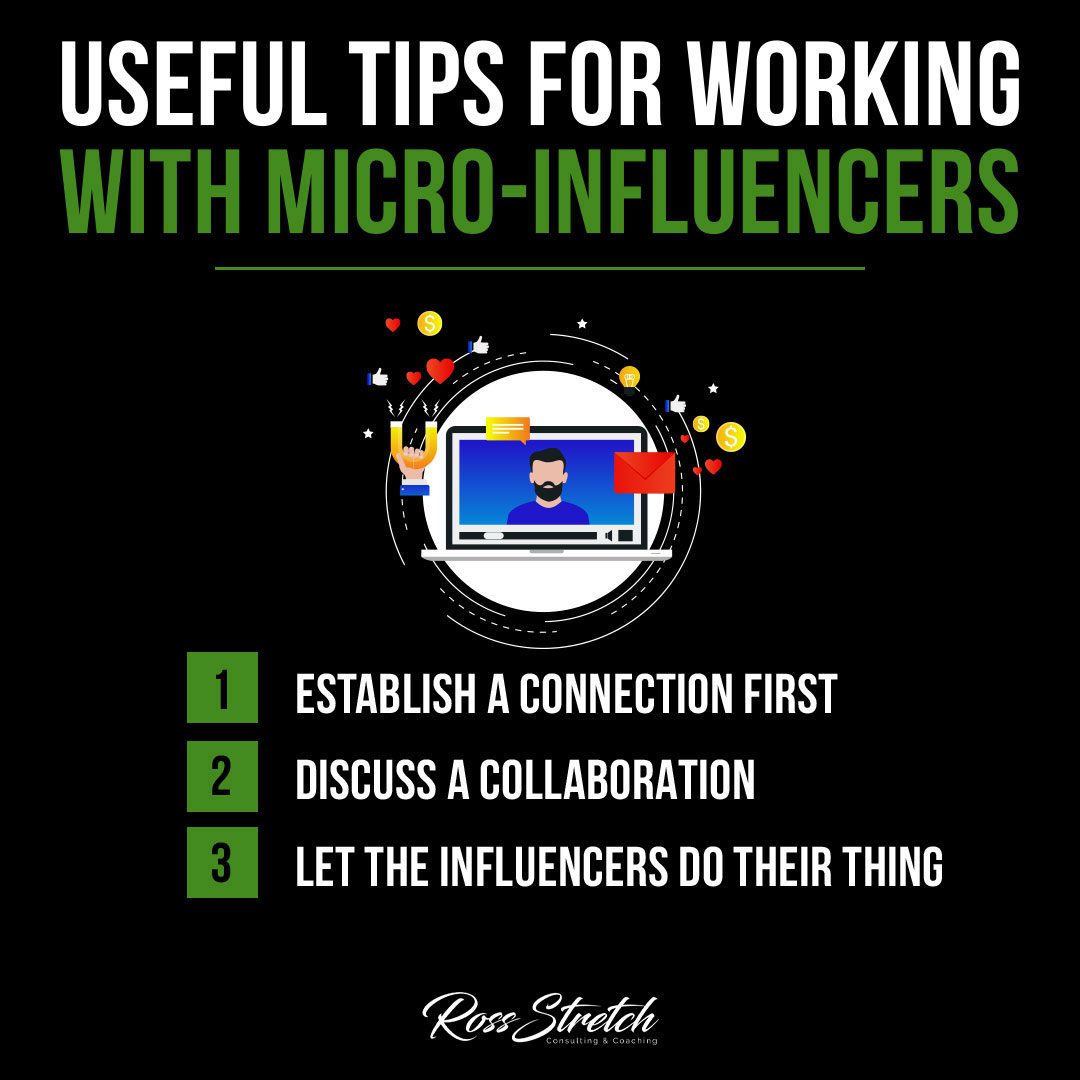
1. Building Bridges: The Art of Authentic Connection
Relationship First, Pitch Second
The brands that get the most from micro-influencer partnerships are those that invest in the relationship before asking for anything. Rather than sending a cold outreach email the moment you identify a potential partner, spend time engaging with their content first. Leave thoughtful comments, share their posts, and genuinely understand the community they have built. This approach signals that you see them as a creative professional rather than just an advertising channel — a distinction that matters enormously to creators who value their audience’s trust above their inbox volume.
- Actionable Tip: Before initiating any formal collaboration discussion, follow the creator for at least two to four weeks. Engage with their content authentically. Let them recognize your brand organically before any business conversation begins.
- Why It Works: Micro-influencers are protective of their audience relationships. They are far more likely to create high-quality, enthusiastic content for a brand they feel genuinely connected to than for one that reached out with a generic template email.
Pro Tip:
When you do reach out, reference specific content they have created that aligns with your brand values. Personalization signals that you have done your homework and respects the creator’s time. A generic pitch is deleted in seconds — a thoughtful one opens a real conversation.
2. Crafting Collaborative Masterpieces: Clear Goals, Open Dialogue
Align on Objectives Before You Align on Content
Successful collaborations start with honest, detailed conversations about what both parties want to achieve. As a brand, be specific about your goals — are you driving product awareness, generating website traffic, building an email list, or pushing a time-sensitive offer? Share these objectives openly. At the same time, invite the creator to share their perspective. They understand their audience’s preferences, pain points, and content habits better than any marketing brief can capture. The best collaboration briefs are co-created documents, not top-down instructions.
- Actionable Tip: Create a simple brief outlining your brand’s key message, content formats you’re open to, required disclosures, timelines, and compensation structure. Leave significant room for the creator’s own ideas and execution approach.
- Why It Works: When micro-influencers understand the “why” behind a campaign, they can integrate your brand messaging in ways that feel organic rather than forced. This dramatically improves content quality and how audiences receive it.
Pro Tip:
Always address FTC disclosure requirements clearly in your collaboration agreement. Proper “#ad” or “#sponsored” disclosures protect both the creator and your brand — and audiences generally respond positively to transparent partnerships when the content is genuinely relevant to them.
3. Granting Artistic License: Trust the Creator’s Voice
Micromanagement is the Enemy of Authentic Content
One of the most common mistakes brands make in influencer partnerships is over-scripting. When every caption word, camera angle, and call-to-action is dictated by the marketing team, the result is content that feels like an advertisement rather than a recommendation. Creative freedom is not a risk — it is the entire value proposition of working with micro-influencers. Their audience trusts them precisely because their content reflects their genuine voice and perspective. Stifle that voice and you eliminate the very thing that made the partnership worth pursuing in the first place.
- Actionable Tip: Provide brand guidelines covering key messages, mandatory disclosures, and any hard restrictions, then step back. Review content before posting, but limit revision requests to genuine factual errors or compliance issues — not stylistic preferences.
- Why It Works: Audiences are increasingly sophisticated at recognizing inauthentic branded content. A creator’s genuine enthusiasm for a product generates trust and purchase intent that no polished ad copy can replicate.
Pro Tip:
Ask creators to include a usage rights clause in your agreement so you can repurpose their content across your own paid and organic channels. Strong micro-influencer content often outperforms professionally produced creative assets in paid advertising — giving you significant additional value from the same investment.
4. Analyzing the Impact: Measuring What Actually Matters
Vanity Metrics Don’t Pay the Bills
Post-collaboration analysis is where many brands miss an opportunity for meaningful improvement. Likes and impressions are visible and easy to report, but they rarely tell the full story. Dig deeper into metrics that correlate with actual business outcomes: click-through rates, conversion rates, cost per acquisition, and audience sentiment in the comments. Compare results against your original campaign objectives. A post with modest reach but strong conversion performance may be far more valuable than a viral post that drove zero sales. This analysis directly informs how you select and brief future partners.
- Actionable Tip: Create unique tracking links or promo codes for each creator so you can accurately attribute traffic and sales to individual partnerships. Google UTM parameters or your e-commerce platform’s affiliate tools make this straightforward to implement.
- Why It Works: Measurement without attribution is guesswork. Knowing which creators drove real business results allows you to double down on the most effective partnerships and phase out those that look good on paper but underdeliver in practice.
Pro Tip:
Ask creators for backend data from their posts — saves, shares, and link clicks — which are often more meaningful engagement signals than surface-level likes. Most creators are willing to share this data when asked respectfully as part of a professional working relationship.
5. Nurturing Long-Term Relationships: From Transaction to Partnership
The Most Valuable Influencer Relationships Take Time to Build
One-off influencer activations rarely deliver the brand-building impact of sustained partnerships. When a micro-influencer mentions your brand consistently over months or years, their audience moves from awareness to familiarity to trust — the same progression that drives long-term customer acquisition. Invest in relationships worth maintaining. Provide early access to new products, include creators in feedback loops, acknowledge their contributions publicly, and compensate them fairly. These gestures differentiate your brand from the hundreds of companies competing for their inbox and encourage the kind of genuine advocacy that paid placements alone cannot buy.
- Actionable Tip: After a successful initial collaboration, follow up with a personal message acknowledging the results and expressing interest in a longer-term arrangement. Offer improved terms for a retainer model that gives you consistent content at a predictable cost.
- Why It Works: Long-term partnerships compound in value. Audiences grow more receptive to recommendations from creators they trust over time, and your brand benefits from repeated layered exposure rather than a single moment of visibility that quickly fades.
Pro Tip:
Treat your top-performing micro-influencers as brand ambassadors. Involve them in campaign planning, ask for product feedback before launch, and create exclusive experiences for them. Creators who feel genuinely valued become authentic advocates — and that authenticity resonates with their audiences in ways that paid promotions alone simply cannot replicate.
Conclusion
The micro-influencer opportunity is real, but it is not automatic. Brands that treat these partnerships as transactions — outreaching, extracting content, and moving on — consistently underperform compared to those that invest in genuine, sustained relationships. The formula is straightforward: find creators whose audience and values align with your brand, collaborate with transparency and mutual respect, grant creative freedom, measure rigorously, and nurture the partnerships worth keeping. Done well, micro-influencer marketing delivers engagement, credibility, and conversion that traditional advertising cannot match.
Resources


 Ross Stretch