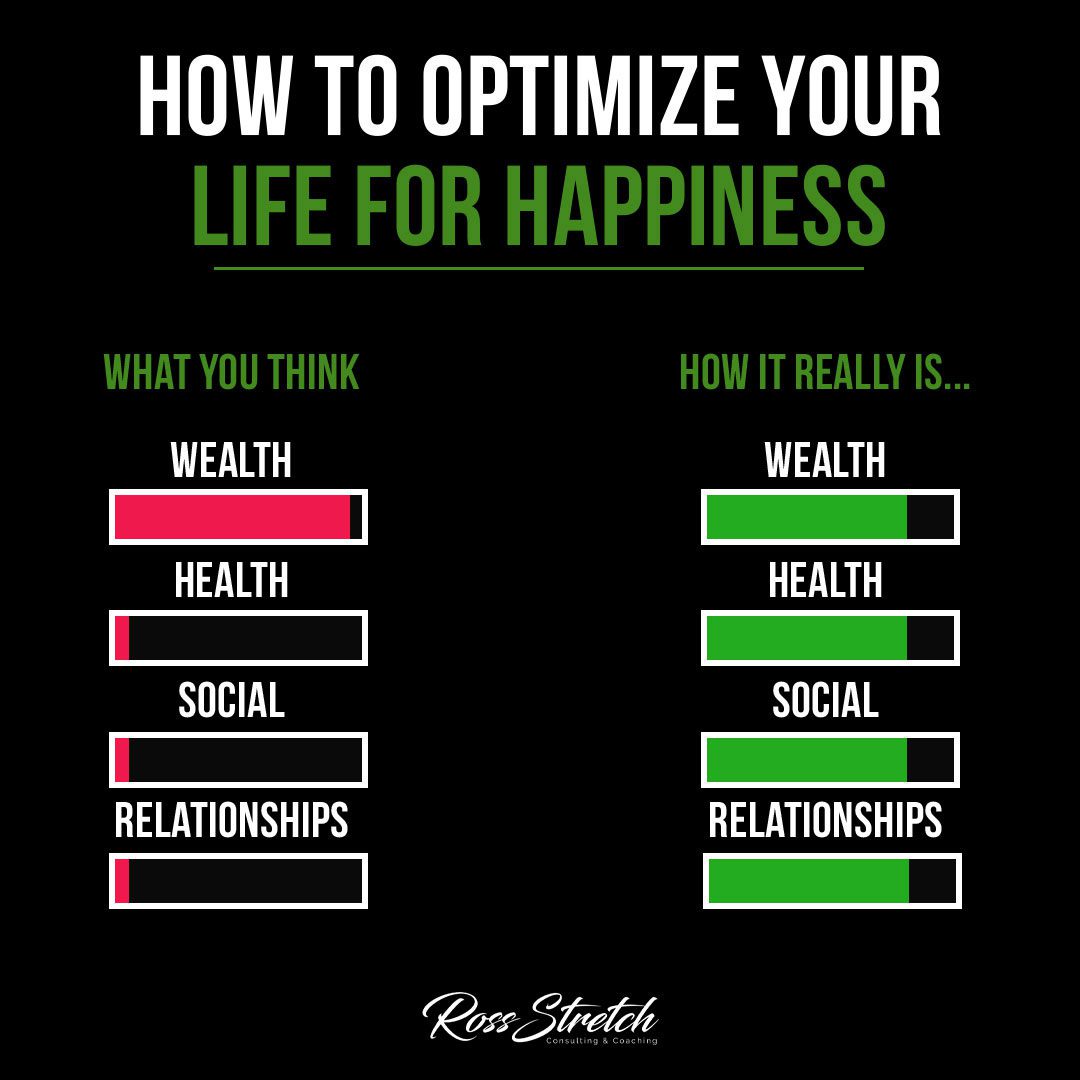

Happiness is the most universally pursued goal in human life — and one of the most frequently misunderstood. Decades of research in psychology, behavioral economics, and neuroscience have produced a consistent finding that upends many cultural assumptions: material wealth is a remarkably weak predictor of sustained happiness beyond a certain baseline. The factors that genuinely drive lasting contentment are less glamorous but far more durable — and they’re within reach for more people than the prevailing cultural narrative suggests. Understanding the real architecture of lifelong happiness means rethinking what you’re actually optimizing for.
The Wealth Illusion: Money and Its Limits
Money matters — but less than most people think, and in different ways than they expect. Financial security reduces anxiety, expands options, and removes the daily stress that comes from not being able to meet basic needs. In this sense, building financial stability is genuinely important for wellbeing. But the relationship between money and happiness has a ceiling that most people underestimate.
Research by psychologists Daniel Kahneman and Angus Deaton found that emotional wellbeing — how people actually feel on a day-to-day basis — stops improving significantly beyond a certain income threshold. More recent studies suggest this plateau varies by individual and circumstance, but the core finding holds: past a point of comfort and security, more money produces diminishing returns on genuine happiness.
The culprit is hedonic adaptation — the brain’s tendency to return to a baseline level of happiness regardless of new circumstances. The new car feels exciting for a few weeks. The bigger house becomes the new normal within months. Without other sources of meaning and connection, the relentless pursuit of wealth alone becomes an exhausting treadmill that never arrives at its promised destination.
Health as the Foundation of Everything
Physical and mental health is the infrastructure on which all other sources of happiness depend. When it’s intact, we barely notice it. When it’s compromised, it consumes everything else. No amount of wealth or social success compensates for chronic pain, persistent anxiety, or the gradual erosion of physical capability. The research is unambiguous: good health is one of the strongest predictors of subjective wellbeing across cultures and income levels.
Yet health is routinely deprioritized in favor of work, productivity, and material pursuits — often until the neglect catches up in ways that are costly and irreversible. Investing in health is not an indulgence; it’s a prerequisite for everything else you care about. Regular exercise, adequate sleep, nutritious food, and proactive mental health support are not luxuries for people with free time. They are the foundation without which long-term happiness is simply not sustainable.
Many of the most impactful health investments require time and consistency more than money. Walking, sleeping adequately, limiting alcohol, maintaining social connections — these are accessible to virtually anyone willing to make them a genuine priority rather than an afterthought when everything else is handled.
The Power of Social Connection
The Harvard Study of Adult Development, one of the longest-running studies on happiness and wellbeing, followed hundreds of men for over 80 years and reached a clear conclusion: the quality of a person’s relationships is the most powerful predictor of their health and happiness in later life. Not wealth. Not fame. Not professional achievement. Relationships.
Social connection affects us at a biological level. Loneliness activates the same neural pathways as physical pain and has been linked to outcomes as serious as heart disease, immune dysfunction, and cognitive decline. Conversely, strong social bonds buffer against stress, accelerate recovery from illness, and provide a sense of meaning that material success cannot replicate.
The relevant metric is not the size of your social network but the depth of your connections. A handful of relationships characterized by genuine trust, mutual care, and honest communication is worth far more than a large network of superficial acquaintances. In a culture that prizes productivity over presence, investing time in real relationships often feels like a luxury. The research says it’s a necessity.
Deep Relationships: The Core of Lasting Fulfillment
Within the broader category of social connection, intimate and deeply committed relationships — with a partner, close family members, or lifelong friends — occupy a special place in the architecture of happiness. These bonds provide something that casual connection cannot: a context in which you are fully known and still fully accepted. That experience of being genuinely seen and valued is one of the deepest sources of human wellbeing.
Sustaining deep relationships requires deliberate investment. In long-term partnerships, research consistently shows that the quality of communication — particularly the ability to navigate conflict constructively and maintain genuine emotional engagement over time — matters far more than initial compatibility. Relationships don’t stay strong by accident; they stay strong because both people keep choosing to invest in them.
Family bonds, including relationships with children, parents, and siblings, provide a sense of continuity and belonging that extends across time. Even complicated family relationships, when approached with honesty and care, often become significant sources of resilience and meaning. The impulse to prioritize career and financial goals over family time is understandable — but worth examining critically against what the evidence says actually produces lasting happiness.
Integrating the Four Pillars
True wellbeing is not the result of maximizing any single dimension. It’s the result of maintaining adequate investment across all four pillars — wealth, health, social connection, and deep relationships — while avoiding the trap of neglecting three in pursuit of one. This is easier to say than to do in a culture that rewards extreme focus on career and financial outcomes, often at the expense of everything else.
The practical implication is that happiness requires active portfolio management. Schedule health the way you schedule important meetings. Protect time for relationships the way you protect time for high-priority projects. Budget for experiences with the people you love the way you budget for business investments. These aren’t sacrifices made in service of happiness — they are happiness, in its most durable and evidence-backed form.
This doesn’t mean abandoning professional ambition. Financial security genuinely matters, and working toward meaningful goals can be a significant source of purpose and identity. The key is ensuring that pursuit is integrated into a full life rather than replacing it. Work that crowds out health, relationships, and connection is not a path to happiness — it’s a detour from it.
Conclusion
The blueprint for lifelong happiness is less about unlocking a hidden secret and more about consistently investing in what the evidence says actually works: financial security without financial obsession, a body and mind that are genuinely cared for, a rich social life built on meaningful connection, and deep relationships that are protected and nurtured over time. None of this is easy in practice — but all of it is achievable, and all of it is worth the sustained effort.
Resources
- The Good Life by Robert Waldinger and Marc Schulz — The definitive account of what the Harvard Study of Adult Development revealed about happiness
- TED Talk: What Makes a Good Life? by Robert Waldinger — One of the most-watched TED talks on the science of happiness and relationships
- Stumbling on Happiness by Daniel Gilbert — A fascinating exploration of why we’re so poor at predicting what will make us happy
- Flow by Mihaly Csikszentmihalyi — The psychology of optimal experience and what it teaches us about sustained fulfillment

 Ross Stretch