Entrepreneurship comes with a kind of exhaustion that’s hard to explain to anyone who hasn’t experienced it. You’re not just tired from long hours — you’re drained from making hundreds of decisions, carrying financial pressure, and sustaining motivation through uncertainty. Burnout is the silent enemy of every founder, and it doesn’t announce itself until it’s already affecting your productivity and judgment. The good news is that you don’t need a month-long vacation or a complete overhaul. Small, deliberate changes in how you structure your days and protect your energy can make a dramatic difference, starting this week.
1. Build a Strong Support Network
Entrepreneurship doesn’t have to be a solo mission
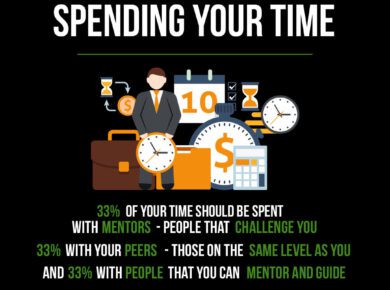
One of the most common — and most damaging — beliefs in entrepreneurship is that you have to figure everything out alone. In reality, the most resilient founders actively cultivate a circle of mentors, peers, and advisors who can offer perspective when things get hard. Isolation amplifies stress. Connection reduces it. Whether it’s a formal mastermind group or a monthly coffee with someone who understands what you’re building, a support network provides both practical advice and the emotional validation that fuels continued effort when momentum stalls.
- Actionable Tip: Identify two or three entrepreneurs at a similar stage and propose a monthly check-in — in person or on video. Use the time to share wins, challenges, and resources without judgment. Keep it consistent — the habit compounds in value over time.
- Why It Works: Peer accountability reduces the feeling that you’re carrying everything alone. Knowing others face the same obstacles makes those obstacles more manageable — and solutions often emerge naturally in open conversation between people who genuinely get it.
Pro Tip:
Look beyond your immediate professional circle. Communities like Entrepreneurs’ Organization, local SCORE chapters, and online groups on Slack or Reddit connect founders across industries who are generous with their experience. A mentor who has been exactly where you are can save you months of unnecessary struggle and costly mistakes.
2. Take Real Days Off — Without Guilt
Rest isn’t laziness — it’s a performance strategy
Most exhausted entrepreneurs feel guilty taking time away from the business. But research on cognitive performance is clear: the brain’s capacity for creative problem-solving, decision quality, and sustained focus degrades significantly without adequate rest. Taking a full day off isn’t falling behind — it’s an investment in the sharper, more energized version of you who shows up the following day. Your business needs your best thinking far more than it needs your most hours.
- Actionable Tip: Block one full day per week in your calendar as a non-negotiable rest day. Treat it like a client meeting — something you don’t reschedule. Use it for anything that genuinely restores your energy, whether that’s exercise, time with family, or doing absolutely nothing at all.
- Why It Works: Deliberate rest breaks the cycle of diminishing returns. Entrepreneurs who take regular breaks consistently report higher creativity and better decision-making — two things that directly drive business growth more than raw hours ever could.
Pro Tip:
If a full day off feels impossible right now, start smaller. Block Friday afternoons for three weeks in a row. Then extend to full Fridays. Build the boundary gradually until rest becomes a non-negotiable part of how you operate — not a reward for finishing everything, which for entrepreneurs never actually happens.
3. Improve Your Sleep Habits
Nothing else you do matters as much as this
Sleep deprivation is treated almost as a badge of honor in startup culture, but the science points firmly in the other direction. Sleeping fewer than seven hours consistently impairs memory, emotional regulation, risk assessment, and immune function — exactly the capabilities an entrepreneur needs most. The late nights that feel productive often produce work that needs to be redone and decisions that cost more than the hours saved. Prioritizing sleep is not weakness; it is a genuine competitive advantage that most of your competitors are ignoring.
- Actionable Tip: Set a hard stop time for screens — phones, laptops, and tablets — at least 45 minutes before bed. Replace that time with reading, light stretching, or conversation. Also aim for a consistent wake time seven days a week, which anchors your circadian rhythm more effectively than any other single change.
- Why It Works: Blue light from screens suppresses melatonin production, making it harder to fall asleep and reducing sleep quality even when you do manage it. A consistent wake time is the single most effective lever for improving overall sleep quality, according to sleep researchers at leading institutions.
Pro Tip:
If your mind races at night with business worries, keep a notepad beside your bed. Do a brain dump before sleep — write down everything on your mind, including tomorrow’s tasks and unresolved concerns. This offloads the mental weight and tells your brain it doesn’t need to keep processing those items overnight, making it significantly easier to fall and stay asleep.
4. Refresh Your Workspace for Better Focus
Your environment shapes your energy more than you realize
Where you work matters. A cluttered, uncomfortable, or visually dull workspace creates a subtle but constant drain on mental energy. When your environment is organized, physically comfortable, and even mildly inspiring, the barriers to sitting down and doing the work are lower. This isn’t about aesthetic preference — it’s about reducing friction. Every moment of hesitation before starting work is a potential exit from the productive session you needed, and those moments accumulate into hours of lost output across a week.
- Actionable Tip: Spend 30 minutes this week doing a full desk reset. Remove everything, wipe down the surface, and only put back what you actively use. Add one element that inspires you — a plant, a piece of art, or a meaningful object. Ensure your chair supports your posture and your monitor is at eye level to prevent fatigue.
- Why It Works: Environmental design is a form of behavioral architecture. When your workspace signals that serious work happens here, your brain enters focus mode faster. Physical comfort also reduces the fatigue that builds up during long desk sessions, extending your productive hours without extending your total time at the desk.
Pro Tip:
If you work from home, consider keeping a secondary workspace — a coffee shop, library, or co-working space — you visit once or twice a week. The change of scenery can jolt creativity and motivation when your regular space feels stale. Many entrepreneurs report that their best strategic thinking happens away from their home office entirely.
5. Prioritize Tasks to Eliminate Overwhelm
A shorter list done well beats a long list done poorly
Entrepreneurial exhaustion often stems not just from the volume of work but from the feeling that everything is equally urgent. When everything feels like a priority, nothing gets the focused attention it deserves — and you end up busy all day without moving anything that truly matters forward. Learning to ruthlessly prioritize, and to let less critical tasks wait, delegate, or disappear entirely, is one of the most powerful energy management skills a founder can develop. The goal isn’t to do more; it’s to do what matters most with your sharpest attention.
- Actionable Tip: At the start of each workday, identify your single most important task — the one that would make today feel successful even if nothing else got done. Complete that task first, before responding to messages or attending to reactive demands. Tools like Todoist or Notion can help you organize tasks by impact level.
- Why It Works: Starting the day with your most important work creates momentum and a sense of accomplishment that carries through. It also ensures that even on chaotic days when everything goes sideways, you made meaningful progress on what actually matters most to the business.
Pro Tip:
Practice saying no — to unnecessary meetings, low-value requests, and opportunities that don’t align with your current focus. Every yes you give to something unimportant is a no to something that matters. Use a simple filter: “Will this still feel important six months from now?” If not, it probably doesn’t deserve your time today.
Conclusion
Entrepreneur burnout is real, but it’s not inevitable. The strategies above aren’t luxuries — they’re the infrastructure that keeps high performers operating at their best over the long haul. Build your support network, protect your rest, fix your sleep, design your environment, and guard your priorities fiercely. You can’t pour from an empty cup, and your business needs you at your best far more than it needs you at every hour. Start with one change this week and build from there.
Resources
- Harvard Business Review: Beating Burnout — Research-backed strategies for recognizing and recovering from professional burnout before it derails your business.
- The Sleep Foundation: Why Sleep Matters — The science behind sleep and how it directly affects cognitive performance, decision quality, and resilience.
- SCORE: Free Mentoring for Entrepreneurs — Free business mentoring and resources from experienced professionals available across the US.
- Todoist: The Eat the Frog Method — How tackling your most important task first builds daily momentum and reduces end-of-day overwhelm.

 Ross Stretch